
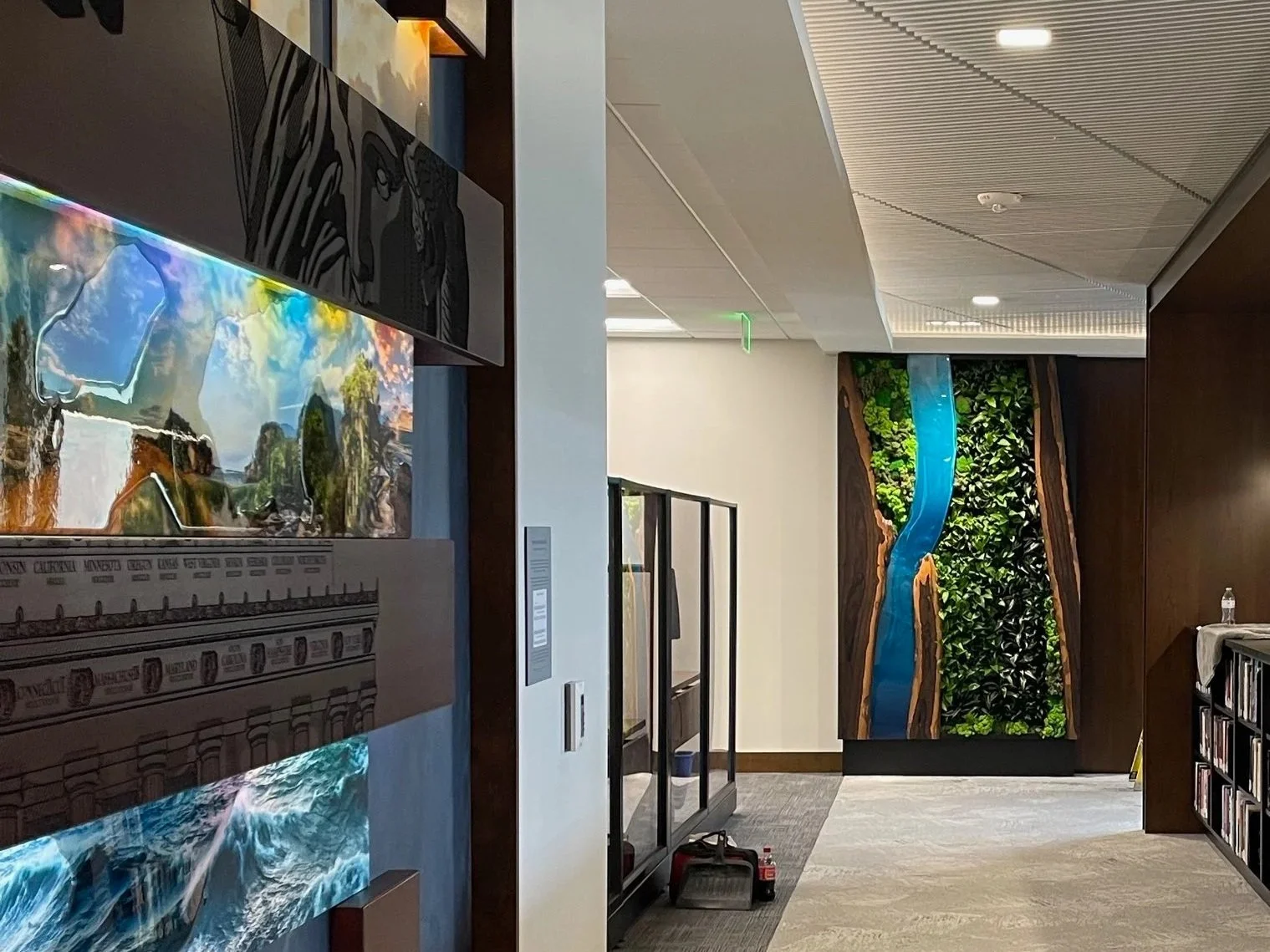
Experiential design
Tell your story through space.
The spaces we move through shape how we understand a place, an organization, and the people behind it.
Spolar Studio creates experiential environments that bring stories, identity, and ideas into physical space through environmental graphics, dimensional elements, materials, art, signage, and custom fabrication.
From a single feature wall to a fully integrated environment, we design experiences that feel intentional, connected, and specific to the space they inhabit.
one discipline. many ways to shape a space.
Experiential design can take many forms. A story may be communicated through typography and graphics,
dimensional materials, artifacts, light, digital content, custom artwork—or a combination of all of them.
Explore our work by application.
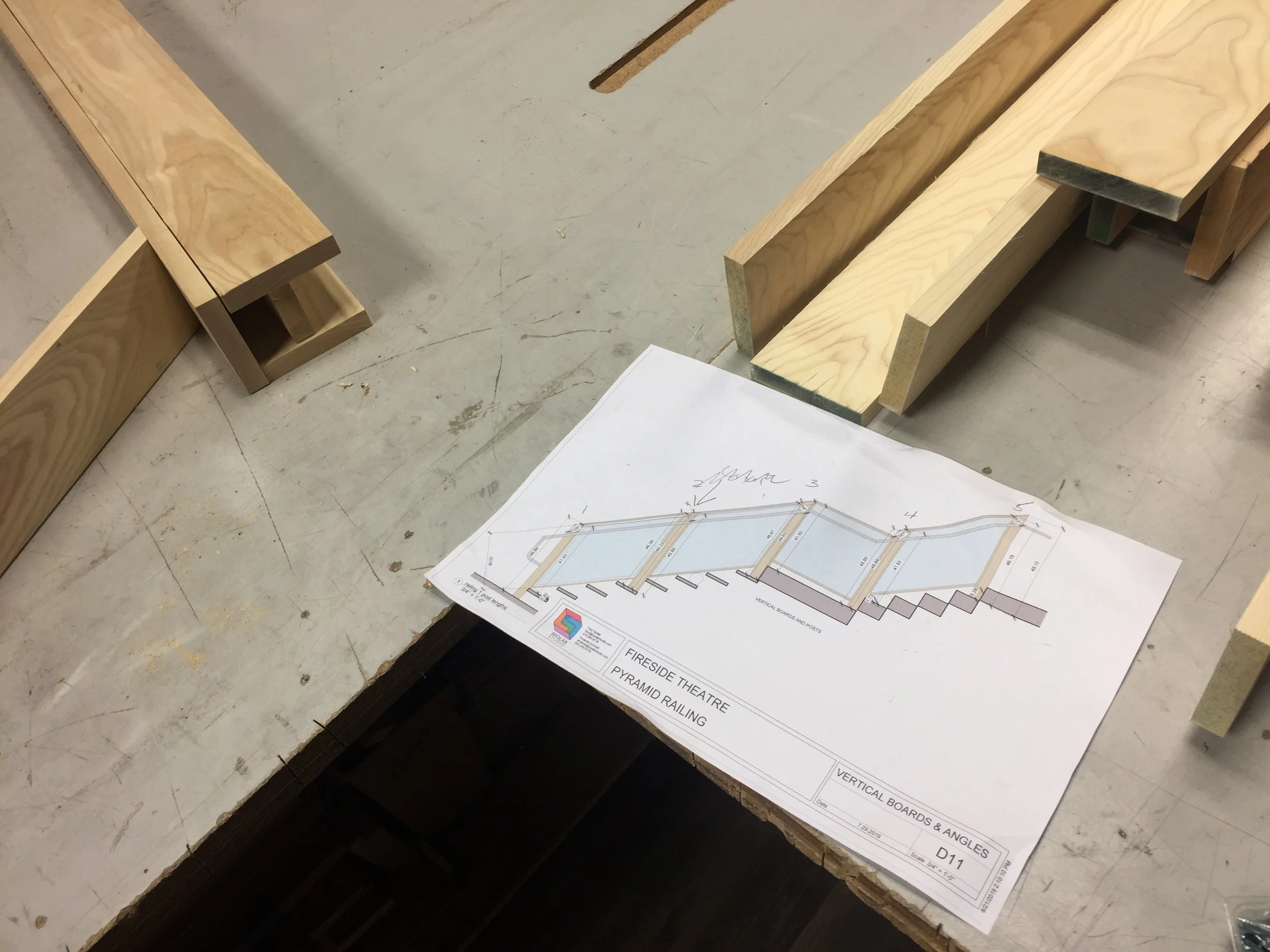
Branded
Environments
Environmental Graphics
+ Signage
dimensional graphics + Architectural features
story +
history
custom art
+ feature walls
Donor + Recognition
environments
What is experiential design?
Experiential design uses the physical environment to communicate a story, identity, message, or idea.
Rather than treating graphics, architecture, signage, art, and material as separate elements, experiential design considers how they work together to shape the way people understand and experience a space.
That can include environmental graphic design, branded environments, interpretive displays, history walls, dimensional graphics, signage, custom artwork, architectural features, exhibit elements, and integrated digital content.
The result is more than a collection of individual pieces.
It is an environment designed to communicate.
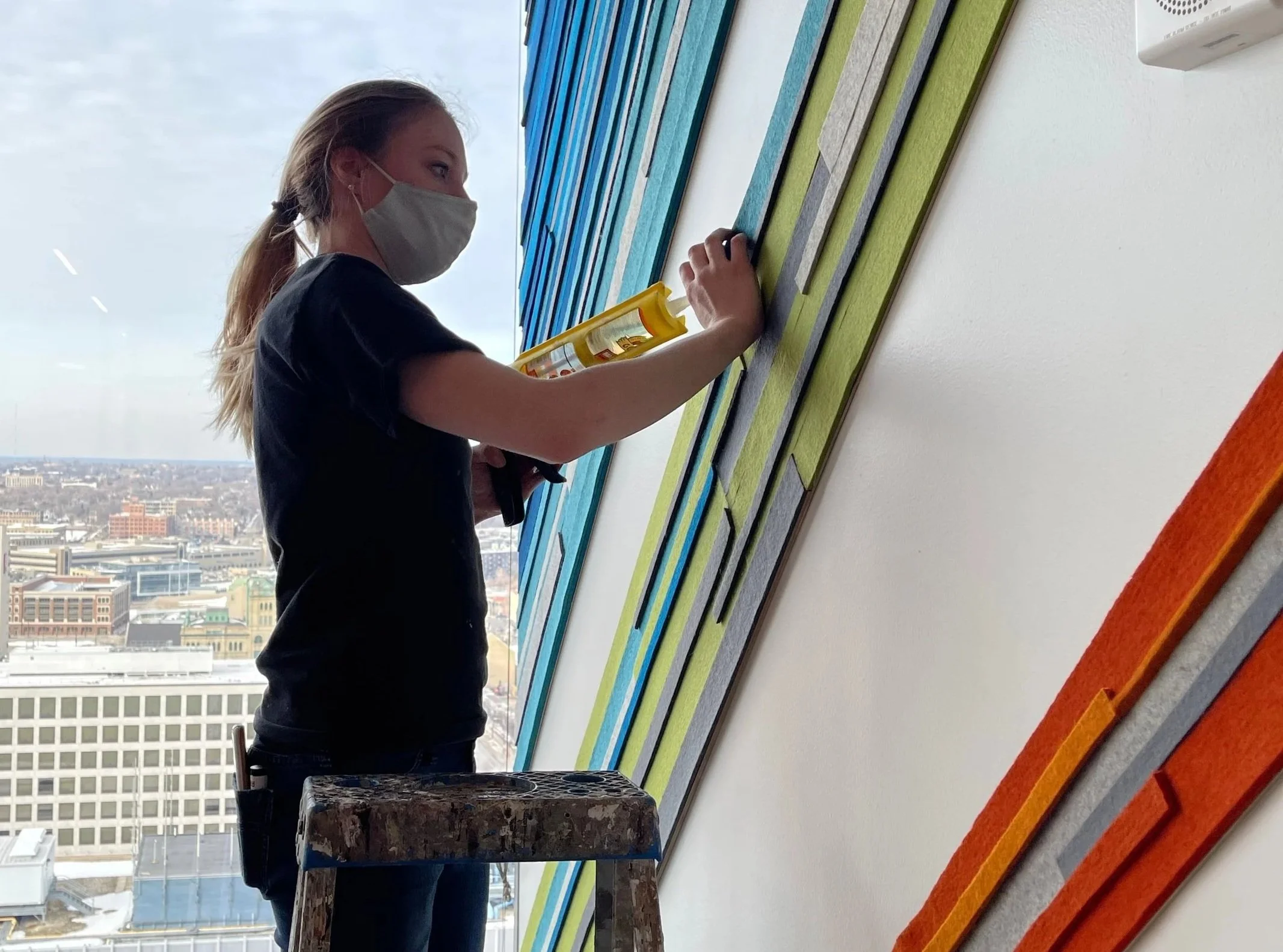
Designed for the spaces people move through every day
Our experiential design work spans industries, environments, and audiences.
corporate + workplace
Higher
education
healthcare + research
cultural + community
hospitality + entertainment
non-profit + mission driven
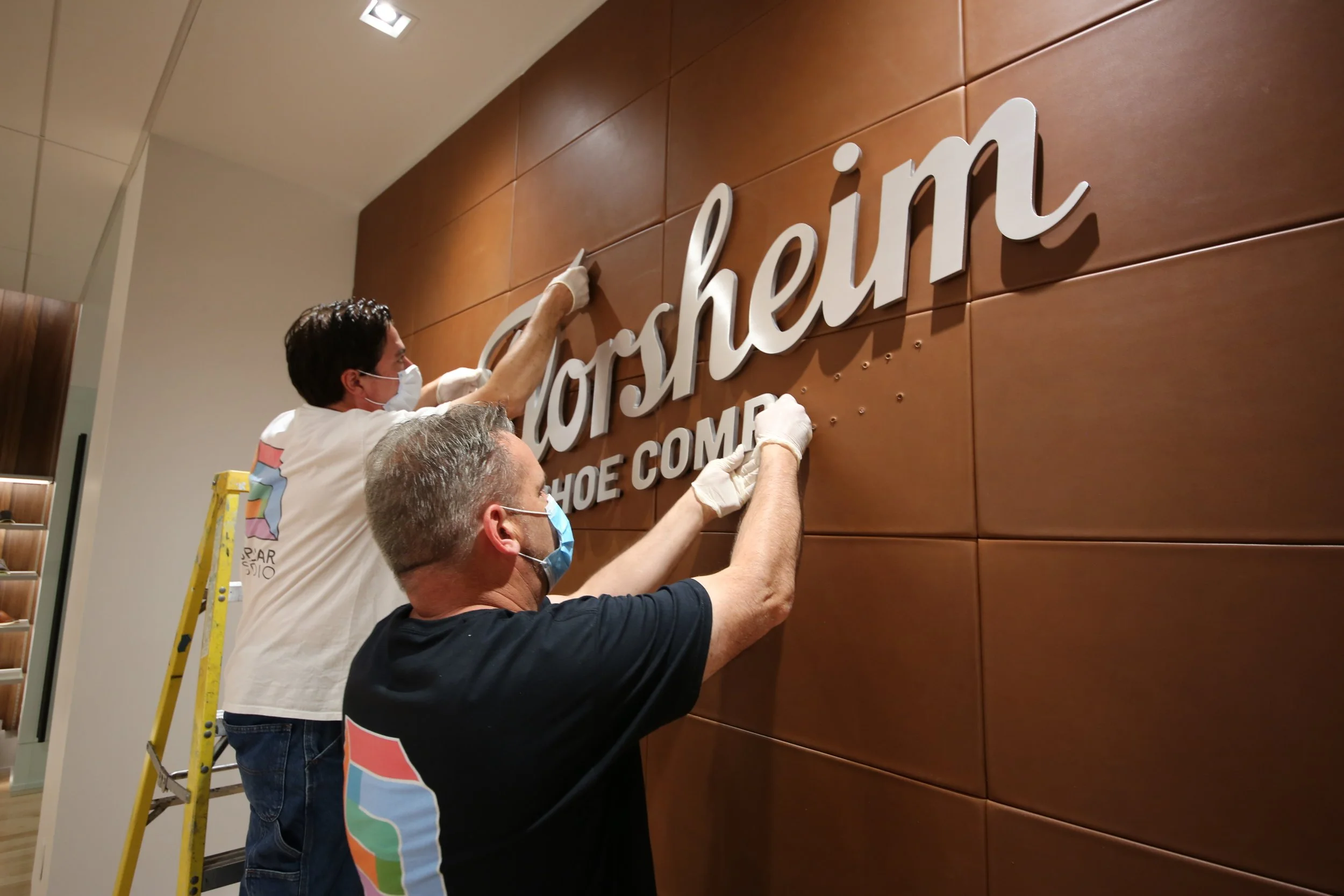
THE DETAILS MATTER UNTIL THE END.
Alignment, hardware, finishes, spacing, cleanup, and final adjustments all contribute to the completed work.
Fabrication and installation are the final steps in turning the original concept into something that feels intentional, finished, and fully integrated into the space.