DONOR
RECOGNITION
MAKE PEOPLE PART OF THE STORY.
Spolar Studio designs and fabricates custom donor recognition environments that connect people, stories, and spaces. From flexible modular systems to fully custom architectural installations, each project is developed around donor hierarchy, materials, future growth, fabrication, and installation.
DESIGN STARTS WITH CONTEXT.
Every recognition project begins with the same questions: Who are you recognizing? What does the space need? How will the system change over time? What should it feel like within the architecture?
The answers shape everything that follows—from the recognition strategy and hierarchy to materials, fabrication, installation, and future updates.
STORY
What are we recognizing, and what should people understand or feel?

SPACE
How should the recognition relate to the architecture and surrounding environment?

GROWTH
Will names remain static, or does the system need to accommodate future donors?

BUDGET
Where should the investment go to create the strongest long-term result?


from story to installation
Every recognition project moves through a thoughtful process that connects strategy, design, fabrication, and installation from the beginning.
01/
DISCOVERY
We define the recognition goals, donor structure, project requirements, space, budget, timeline, and long-term needs.

02/
CONCEPT + DESIGN
We develop the creative direction through concepts, drawings, renderings, materials, and recognition hierarchy so the final result can be clearly understood before fabrication begins.

03/
fabrication
Materials and fabrication methods are selected around the design, environment, durability, budget, and how the system needs to perform over time.

04/
installation
Installation is considered from the beginning, with attention to safety, structure, access, alignment, serviceability, and future updates.
THE RIGHT SYSTEM DEPENDS ON THE PROJECT.
There isn’t one right way to recognize donors.
The right framework depends on how many people are being recognized, how often the system will change, the available space, the project budget, and how prominent the recognition should feel within the environment.
-
01/ Panel System
Streamlined + efficient
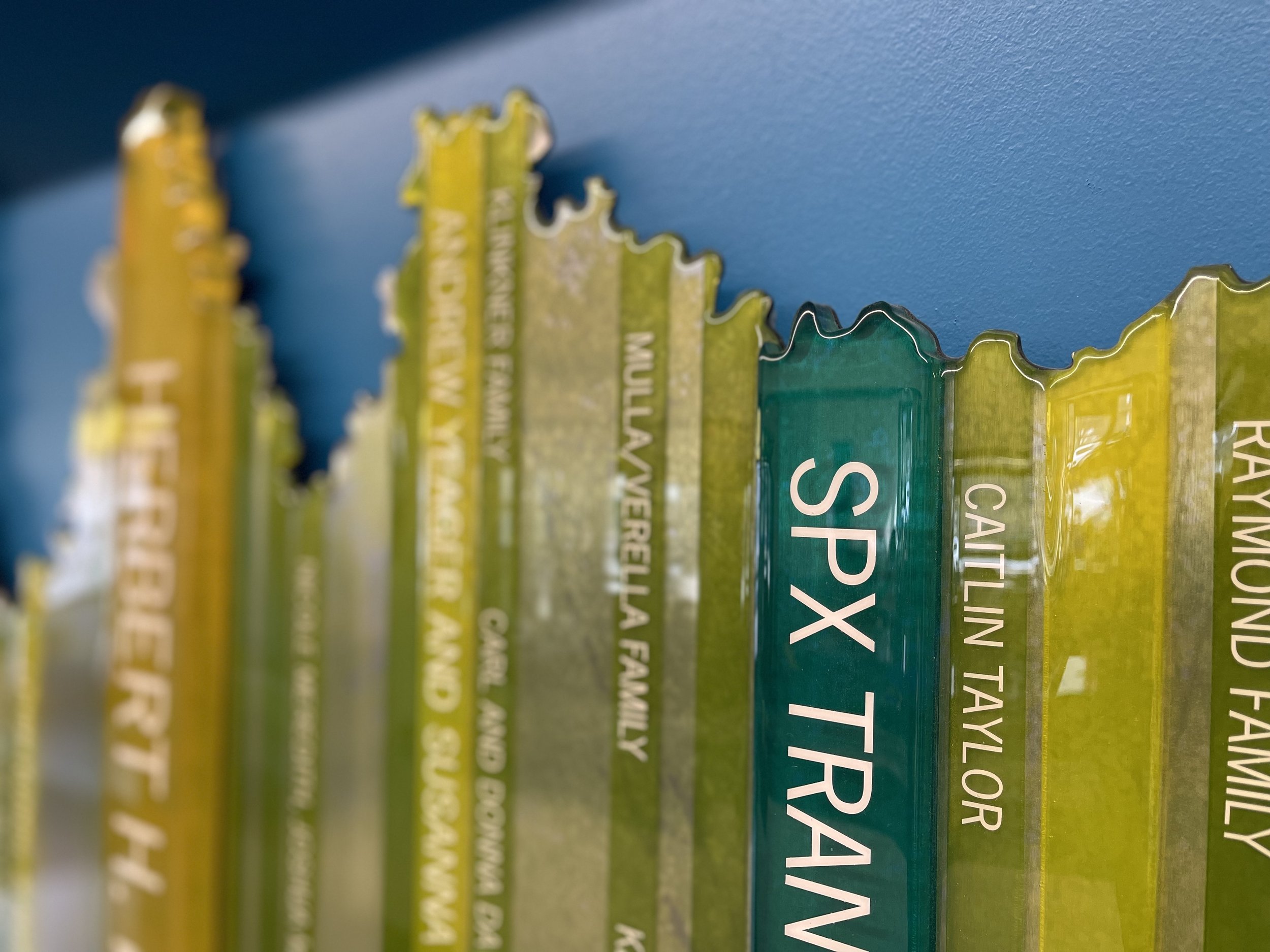
Panel-based systems provide a clean way to organize larger groups of names while keeping fabrication and future updates straightforward.
They can incorporate printed, engraved, dimensional, or layered graphics and may stand alone or become part of a larger architectural feature.
Best for:
Static or periodically updated donor listsUpdates:
Individual panels or sections can be replaced as neededApplications:
Donor walls, campaign recognition, annual giving, legacy recognition, institutional displays -

02/ Modular system
Flexible + built to grow
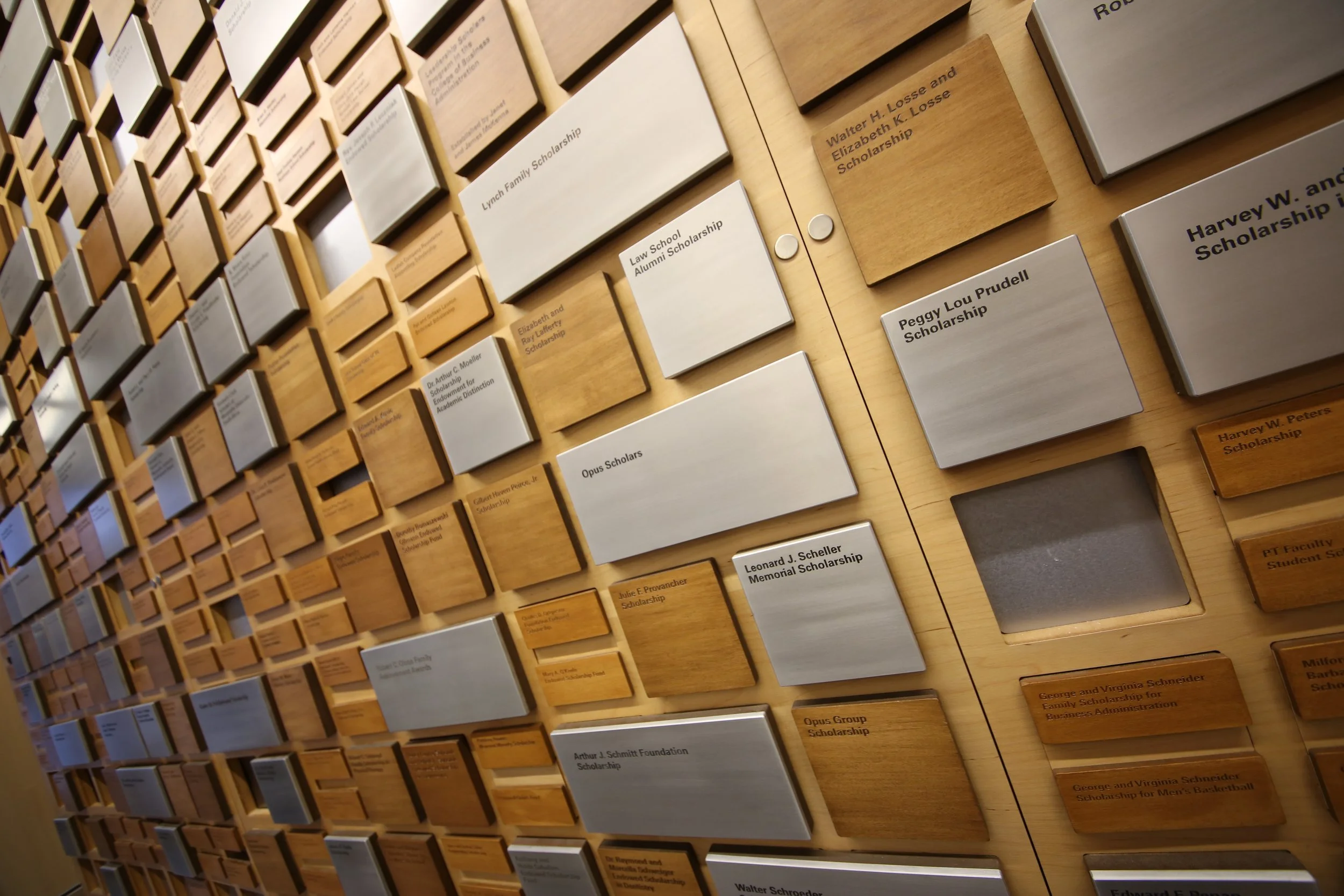
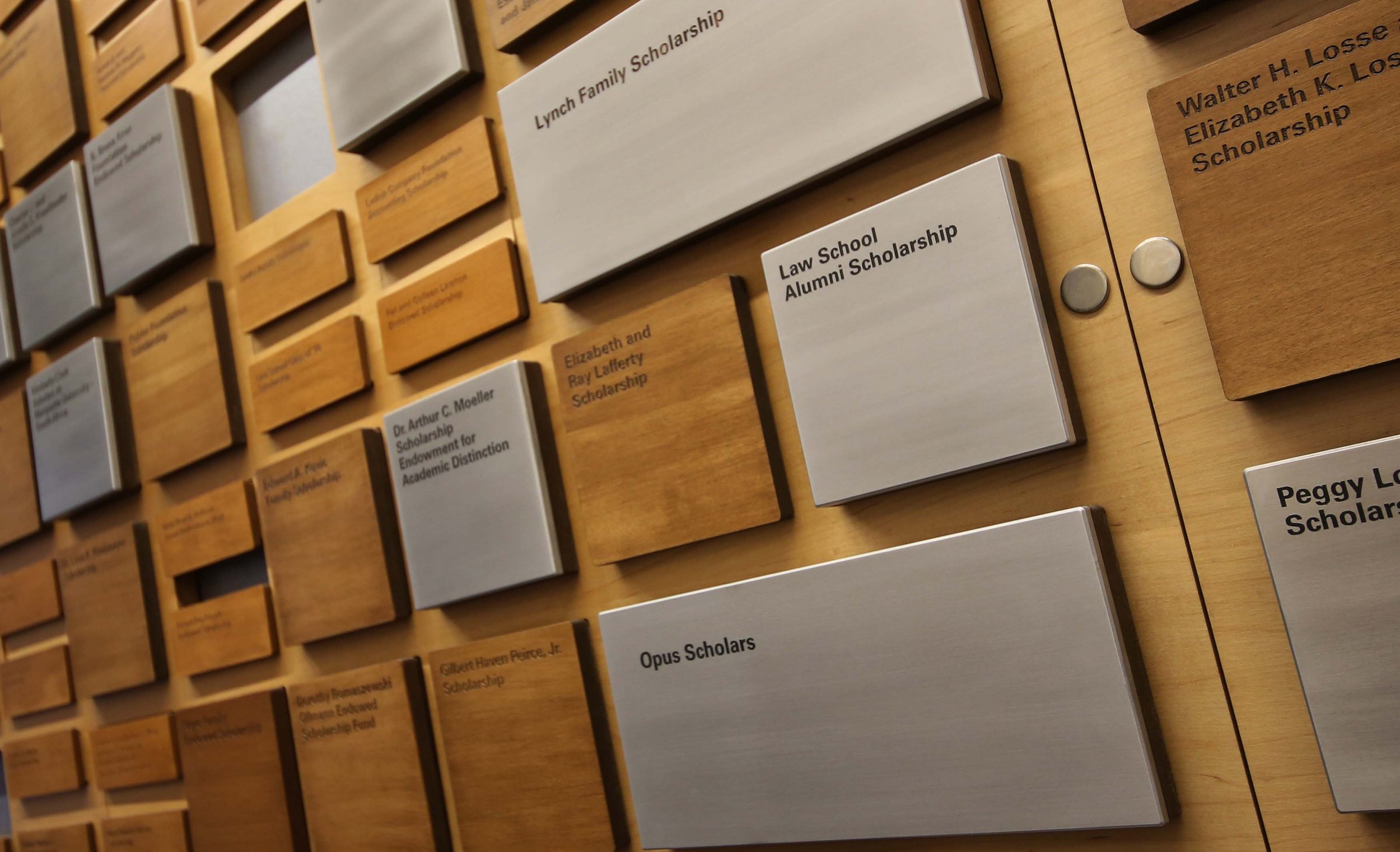
Modular recognition uses individual plaques, blocks, tiles, or other components that can be added, removed, or rearranged over time.
The result can feel highly customized while maintaining a practical system for future updates.
Best for:
Ongoing campaigns and growing donor listsUpdates:
Individual recognition elements can be added or replacedApplications:
Universities, healthcare, cultural institutions, nonprofits, religious organizations, capital campaigns -

03/ Custom System
Designed around the story + space
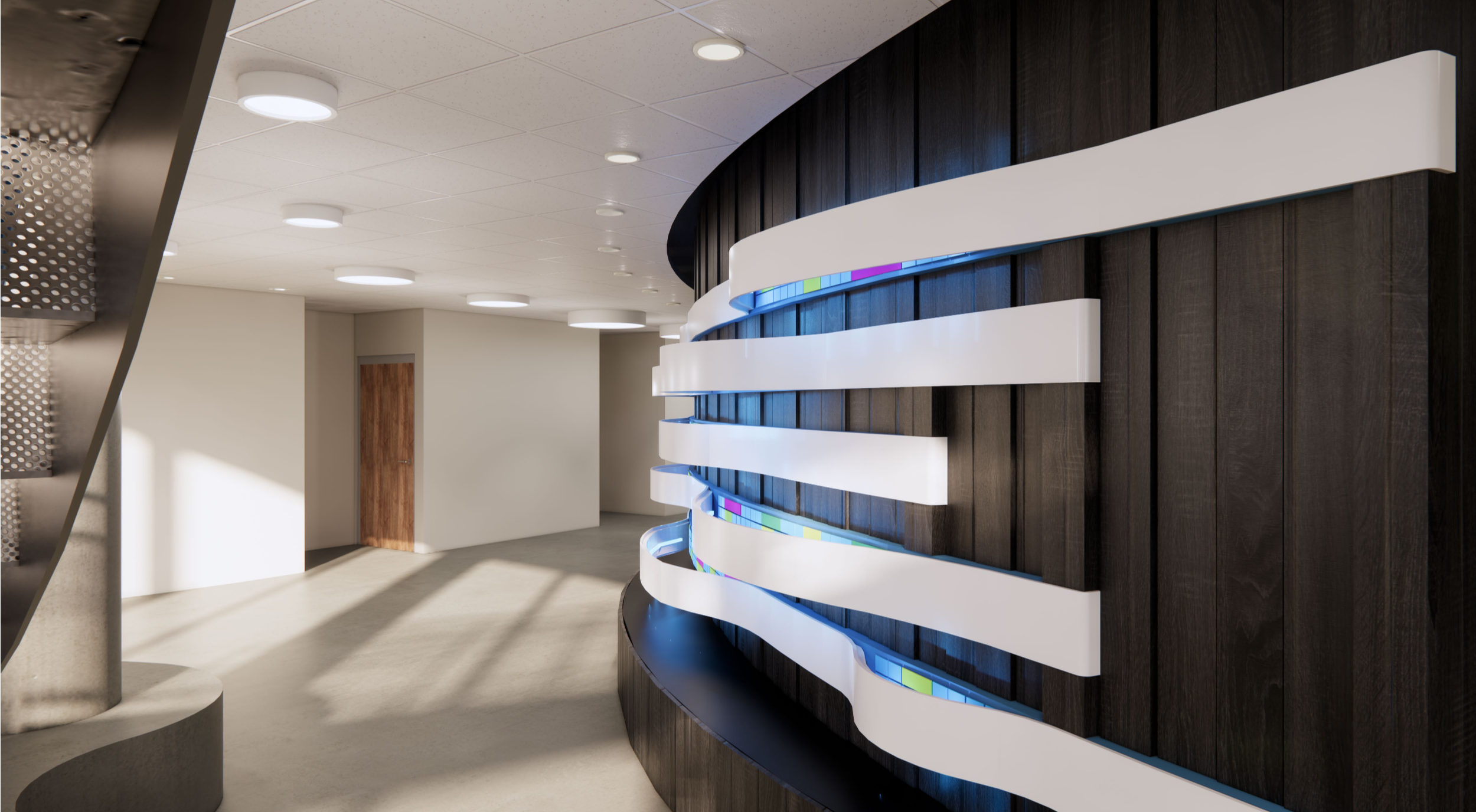
A fully custom recognition system begins with the organization and environment rather than a predetermined format.
Materials, dimensionality, lighting, graphics, architecture, storytelling, and donor information can all become part of a single integrated experience.
Best for:
Signature installations and highly customized environmentsUpdates:
Developed around the specific needs of the projectApplications:
Feature recognition environments, major campaigns, legacy installations, architectural donor recognition
BUILT TO RECOGNIZE. DESIGNED TO LAST.
Donor recognition has to do more than look good on installation day.
We think about how the system will function, change, and hold up long after the project is complete.

DONOR
hierarchy
Recognition levels, naming structure, typography, and visual hierarchy should make information easy to understand.
Updates +
Growth
Future donors should be able to be added without compromising the original design.
Materials +
Finish
Material selection is shaped by appearance, environment, durability, fabrication, maintenance, and budget.
Architectural
Integration
Recognition should feel intentional within the surrounding space rather than simply applied to it.

Legibility +
Accessibility
Scale, contrast, viewing distance, placement, and readability all influence how recognition is experienced.
Serviceability
Access, replacement, maintenance, and future updates are considered during design—not after installation.


MATERIAL MATTERS.
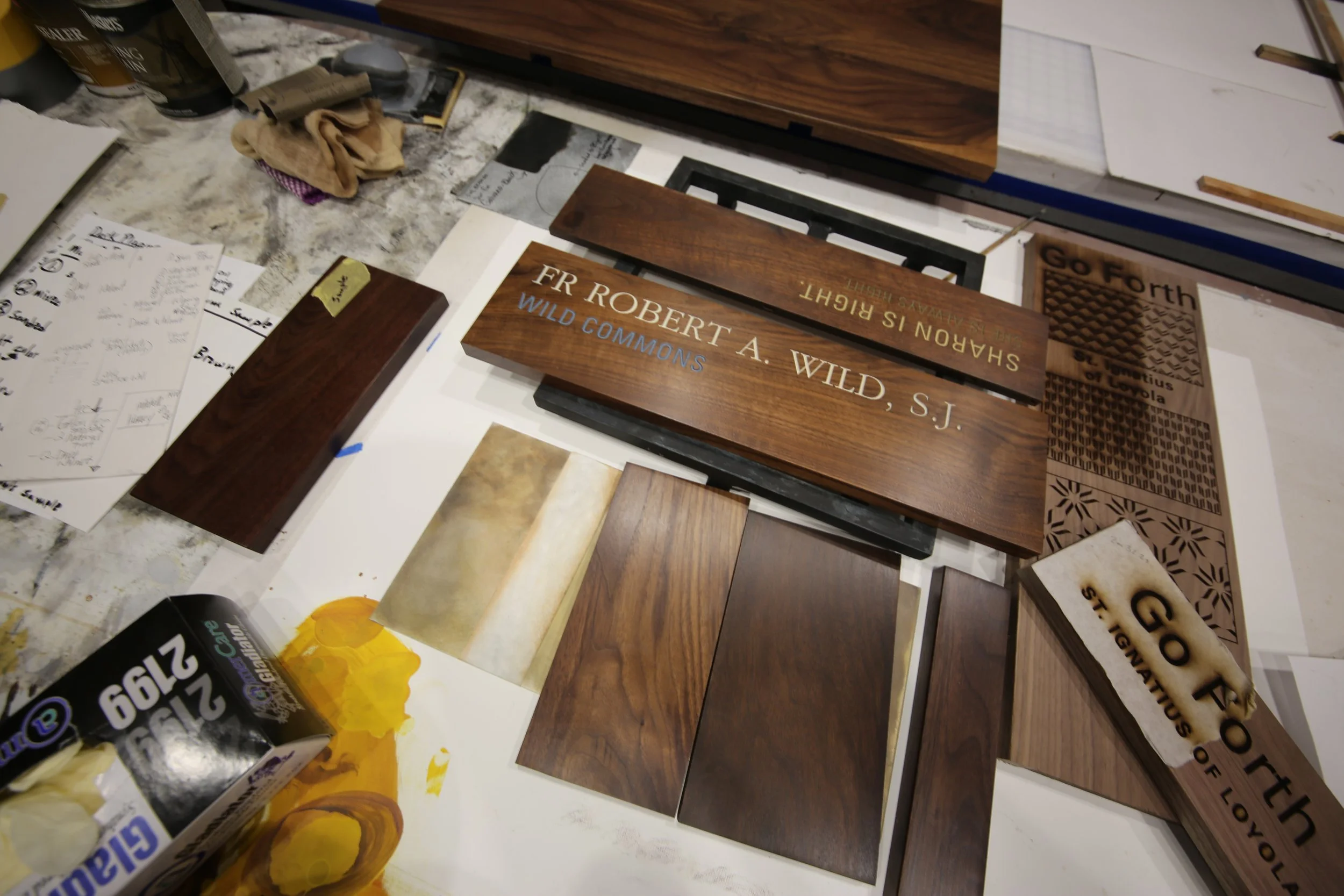
Wood, acrylic, metal, printed graphics, dimensional components, lighting, and specialty finishes can each create a very different recognition experience.
We select materials based on more than appearance. Environment, durability, scale, fabrication, installation, maintenance, growth, and budget all influence what belongs in the final system.
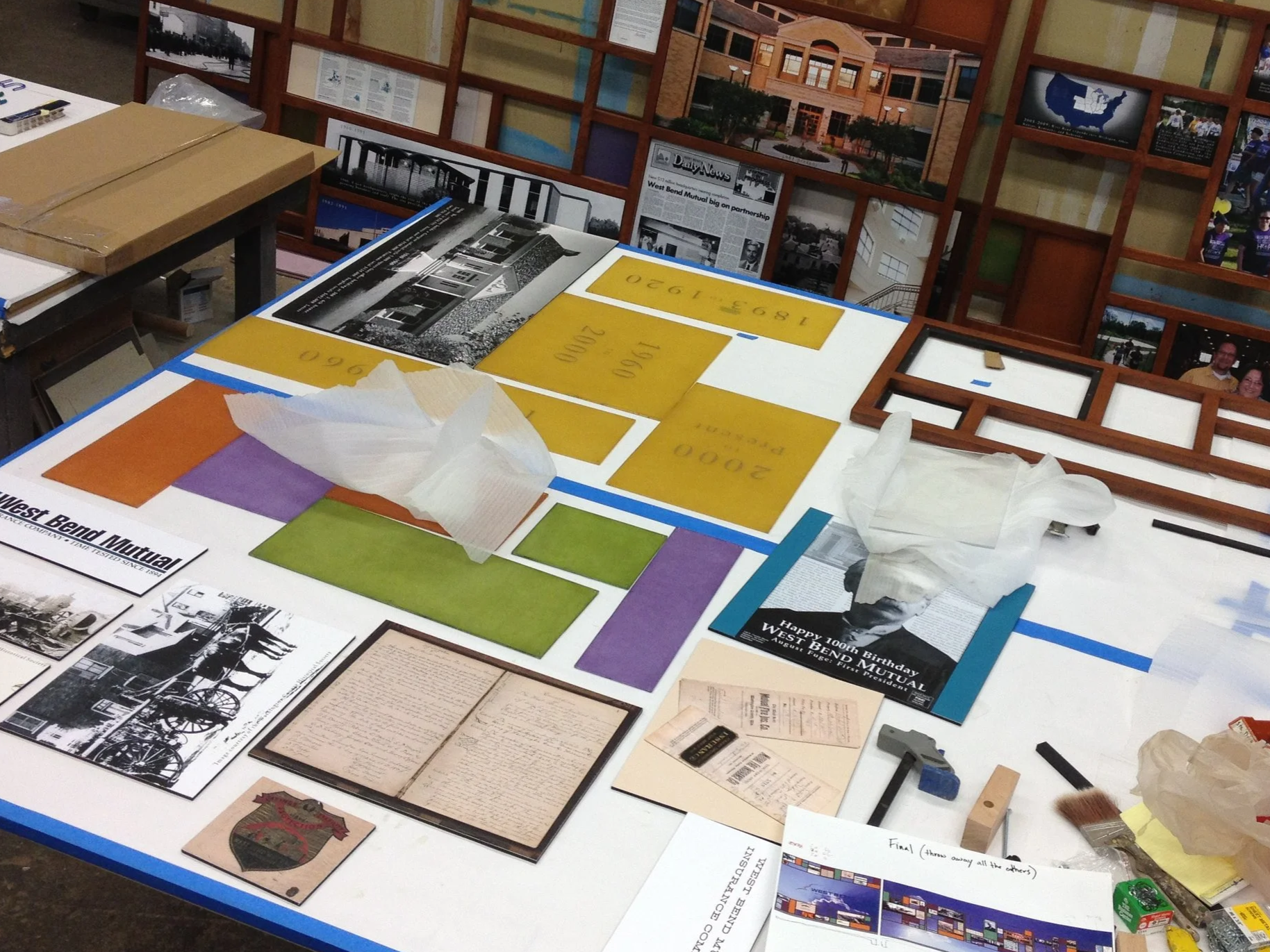
DESIGN INFORMED BY MAKING.
Because design, fabrication, and installation are connected at Spolar Studio, practical considerations can influence the work from the beginning.
That means fewer surprises later—and more opportunities to use material, structure, and fabrication as part of the design itself.
RECOGNITION THAT CAN EVOLVE.
Organizations change. Campaigns grow. Names get added. Spaces get renovated.
A good recognition system anticipates that.
Whenever possible, we design for future updates, maintenance, replacement, and growth so the system can continue serving the organization without starting over.
Planning a recognition project?
Start here.
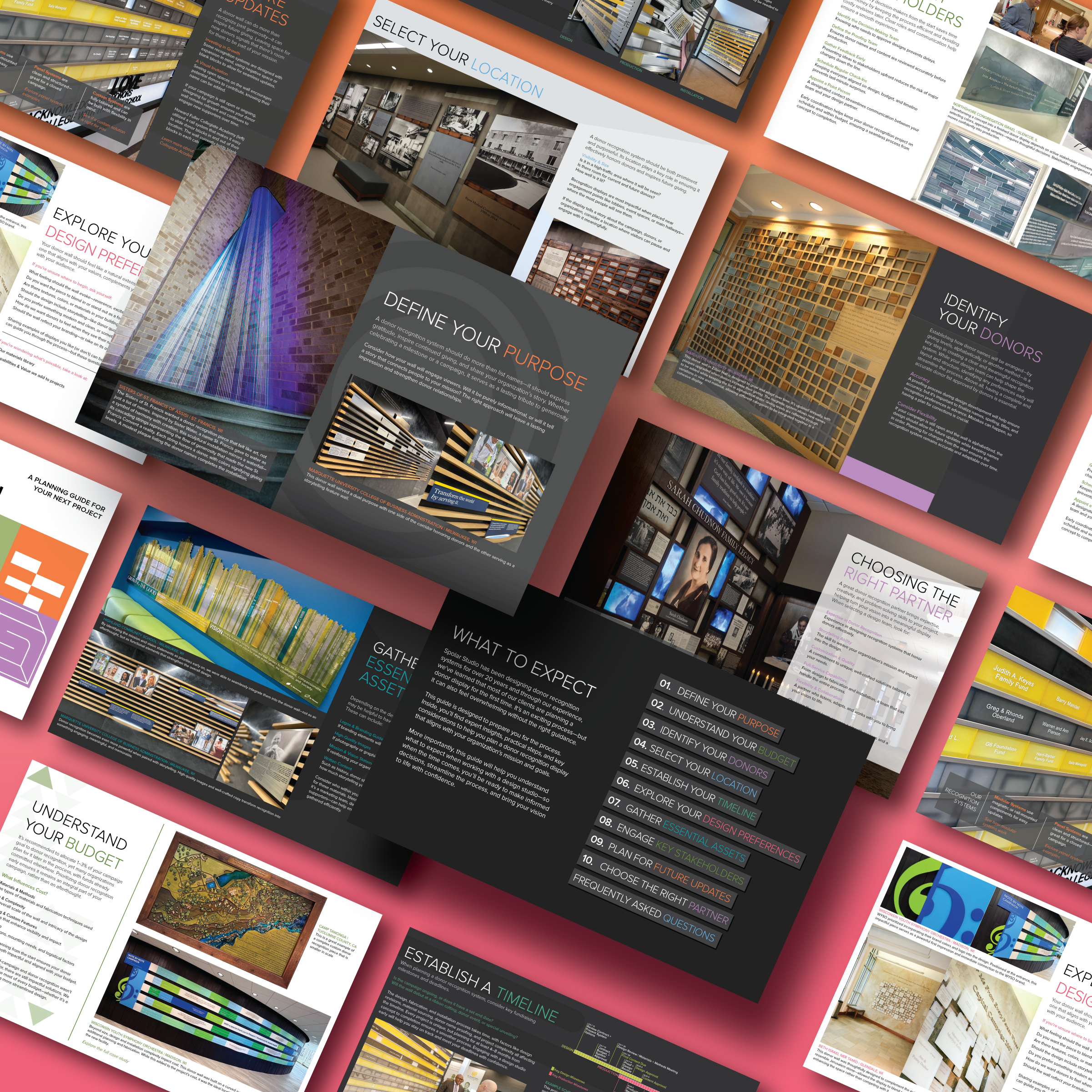
Our planning tools are designed to help organize the information that shapes a donor recognition project before design begins.
DONOR RECOGNITION PLANNING GUIDE
A downloadable guide to help you think through goals, donor structure, space, budget, updates, materials, and long-term needs.
READY TO START A PROJECT?
START HERE.
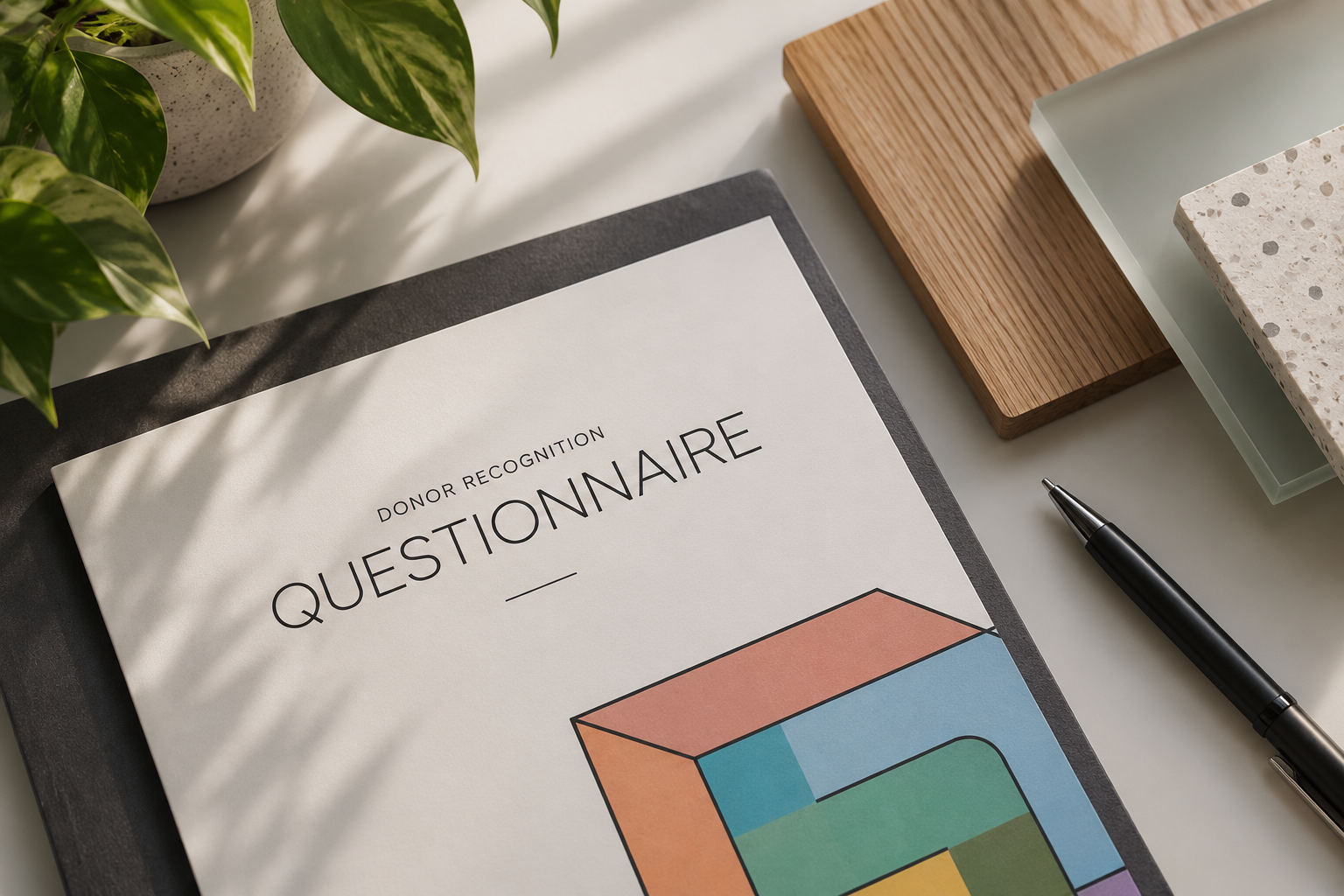
Already have a project in mind? Use our questionnaire to gather the information we’ll need to start the conversation.
DONOR RECOGNITION QUESTIONNAIRE
Our donor recognition questionnaire helps you start thinking through the questions that shape a successful project before the first meeting even begins.
FREQUENTLY ASKED QUESTIONS
-
Cost depends on the scale of the project, number of donors, materials, level of customization, fabrication complexity, installation requirements, and how the system needs to grow over time. We can develop solutions across a range of budgets.
-
Yes. Many systems can be designed specifically for future additions or changes. The update strategy is considered during the design process so new names can be incorporated as cleanly as possible.
-
Both. Spolar Studio can take a project from concept development and design through fabrication and installation.
-
Yes. We regularly work collaboratively with architects, designers, development teams, facilities teams, contractors, and other project partners.
-
Materials may include wood, acrylic, metal, printed graphics, vinyl, rigid substrates, resin, lighting, and specialty finishes. The right combination depends on the design, environment, budget, durability needs, and update strategy.
-
Yes. Outdoor projects require additional consideration for weather, UV exposure, temperature changes, structure, hardware, finishes, and long-term maintenance.
-
Yes. Installation can be part of the project scope, and installation requirements are considered throughout design and fabrication.
HAVE A RECOGNITION PROJECT IN MIND?
You don’t need to know what kind of donor wall, panel system, or recognition framework you need before reaching out.
Start with the project.
We’ll help determine the right approach based on your story, space, donor structure, update needs, budget, and long-term goals.