
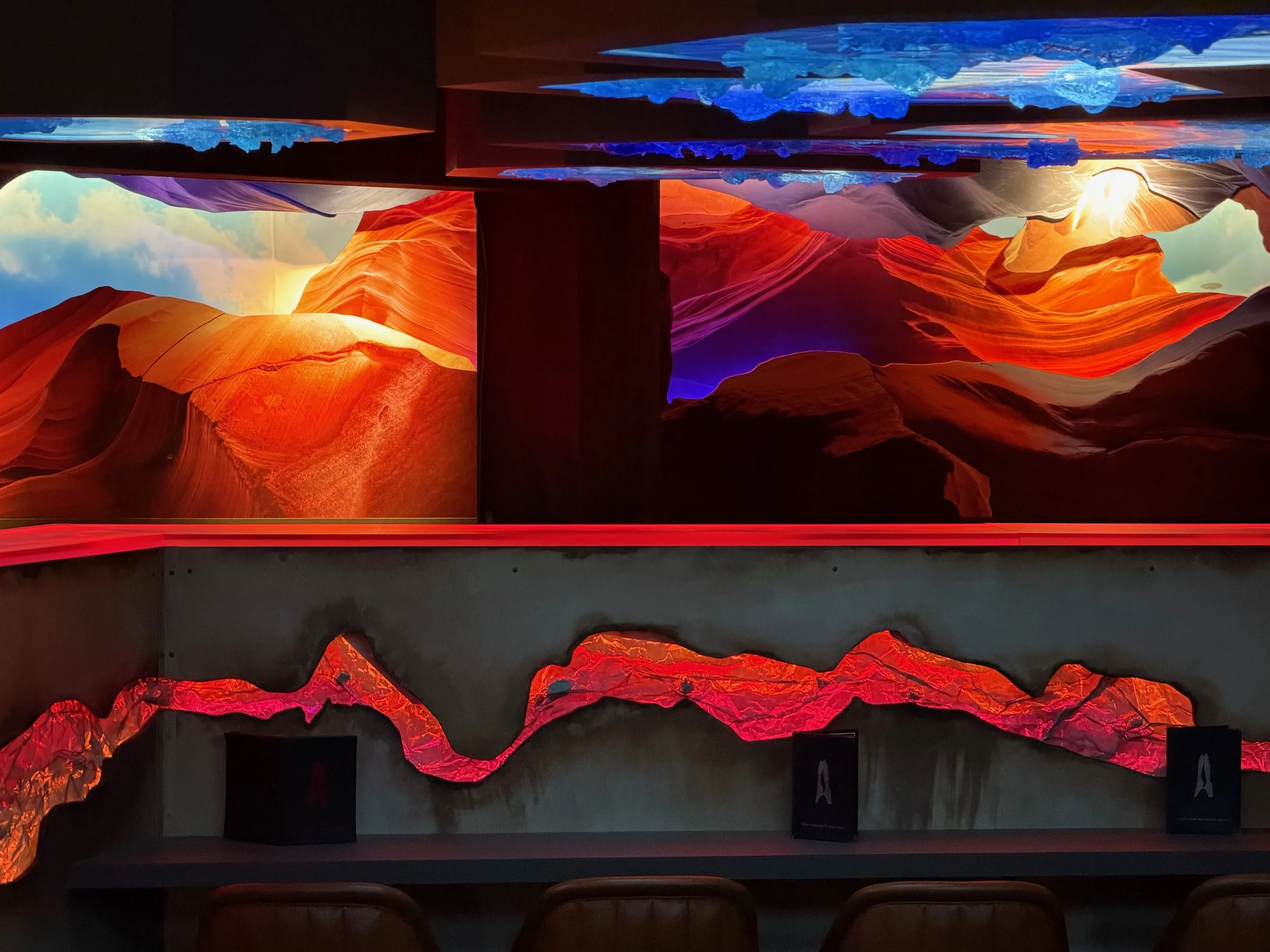
materials + Methods
MATERIALS, FINISHES + FABRICATION TECHNIQUES
material index
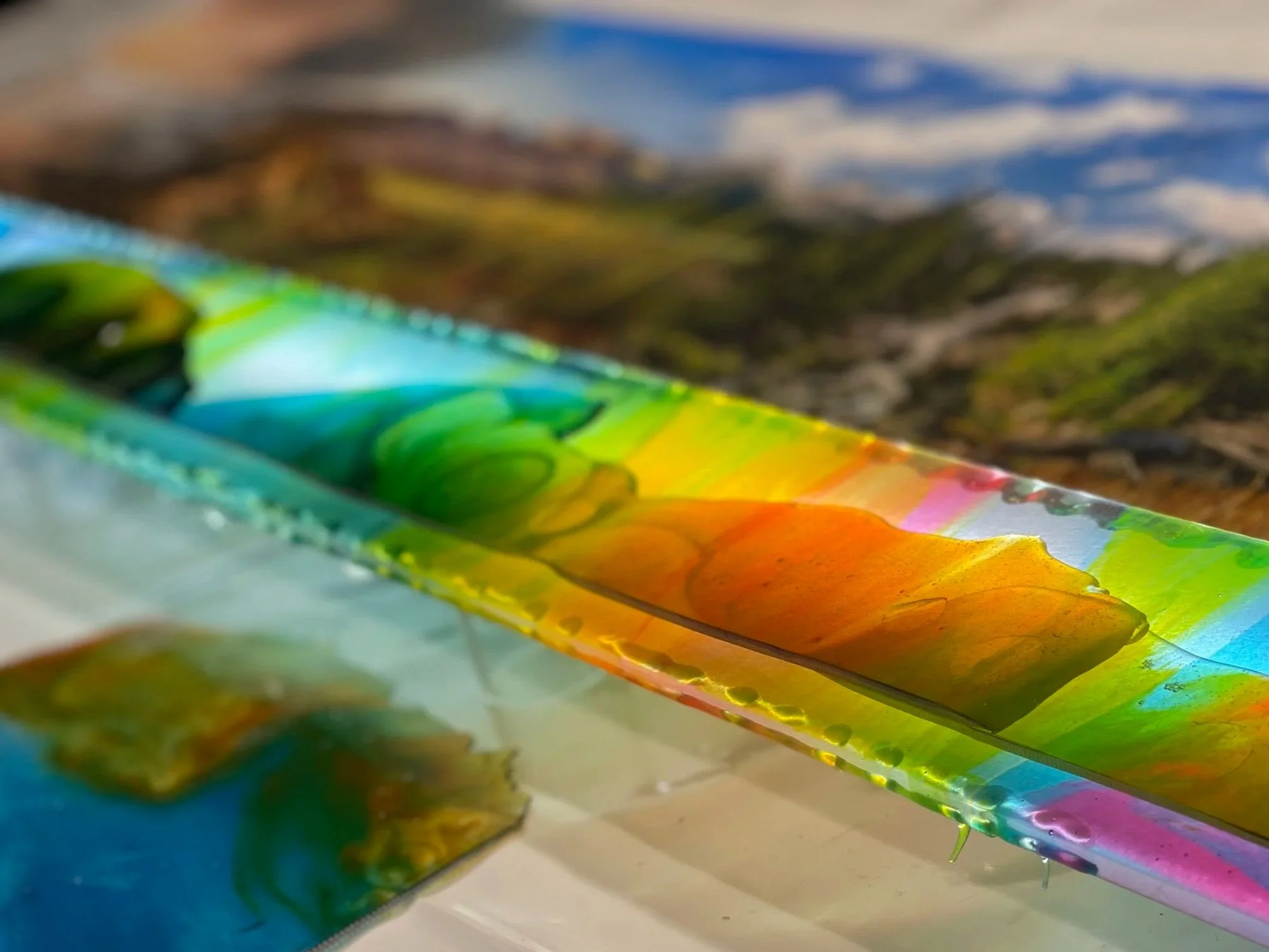
01 / Epoxy Resin
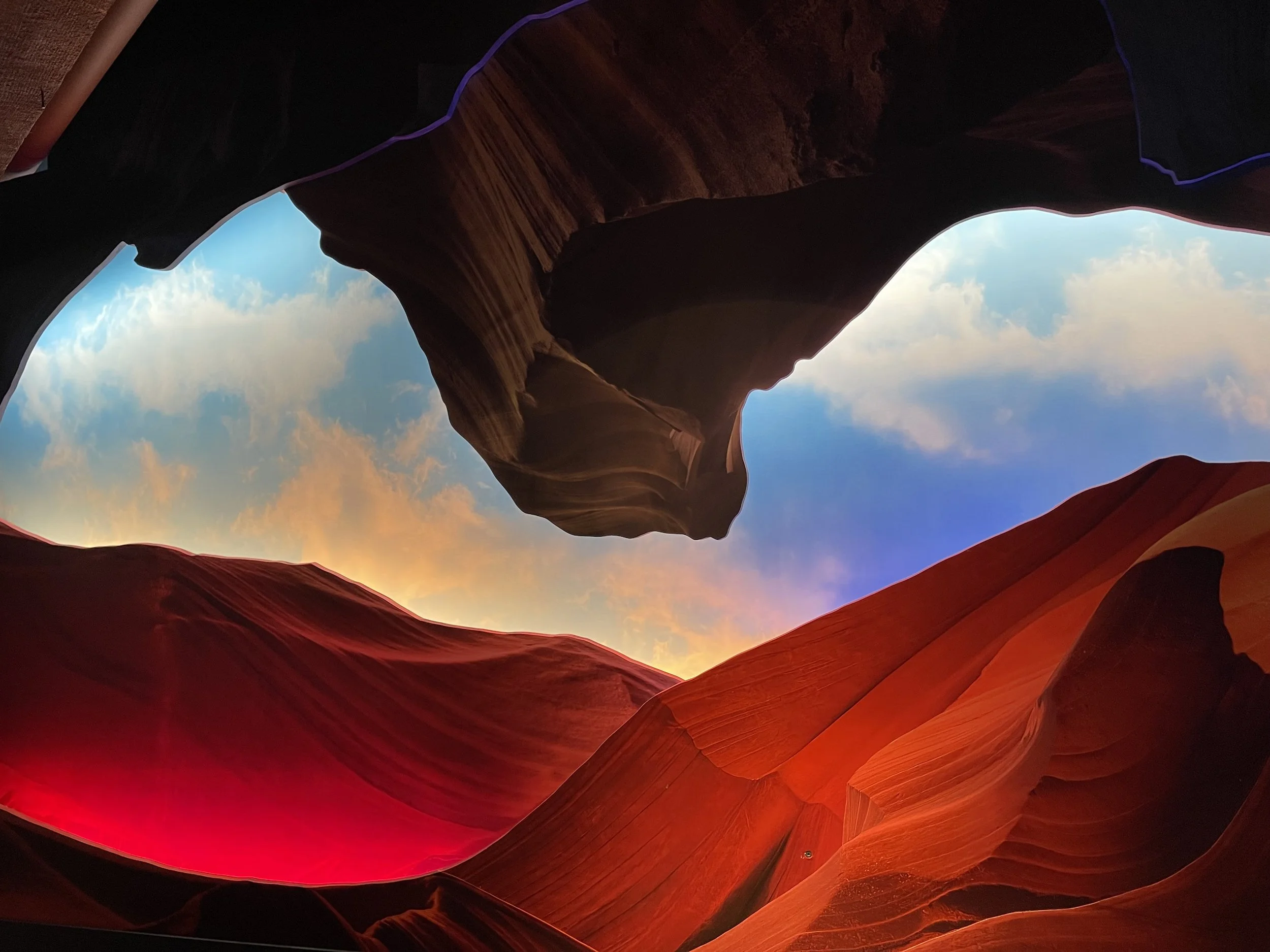
05 / LED lighting
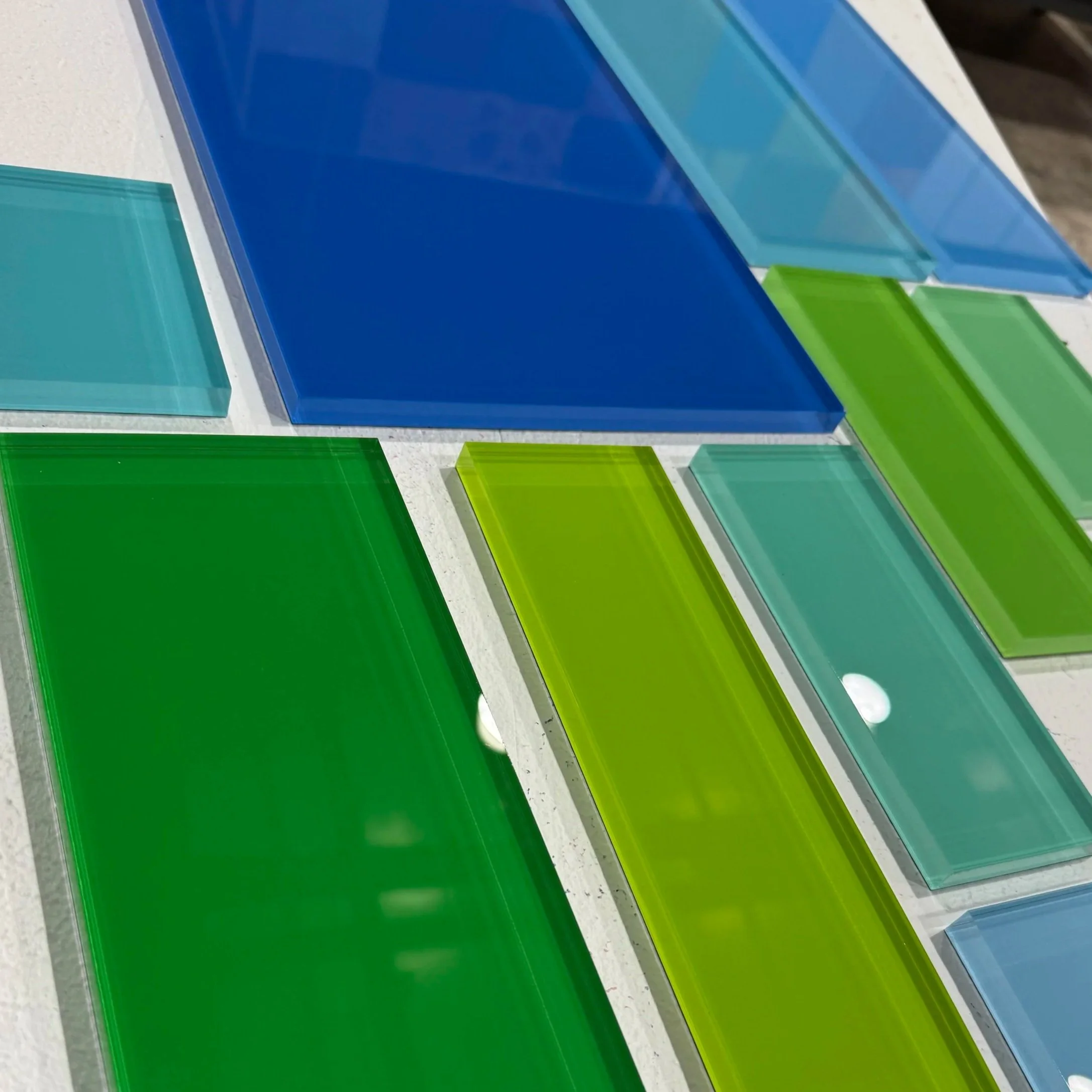
02 / Acrylic
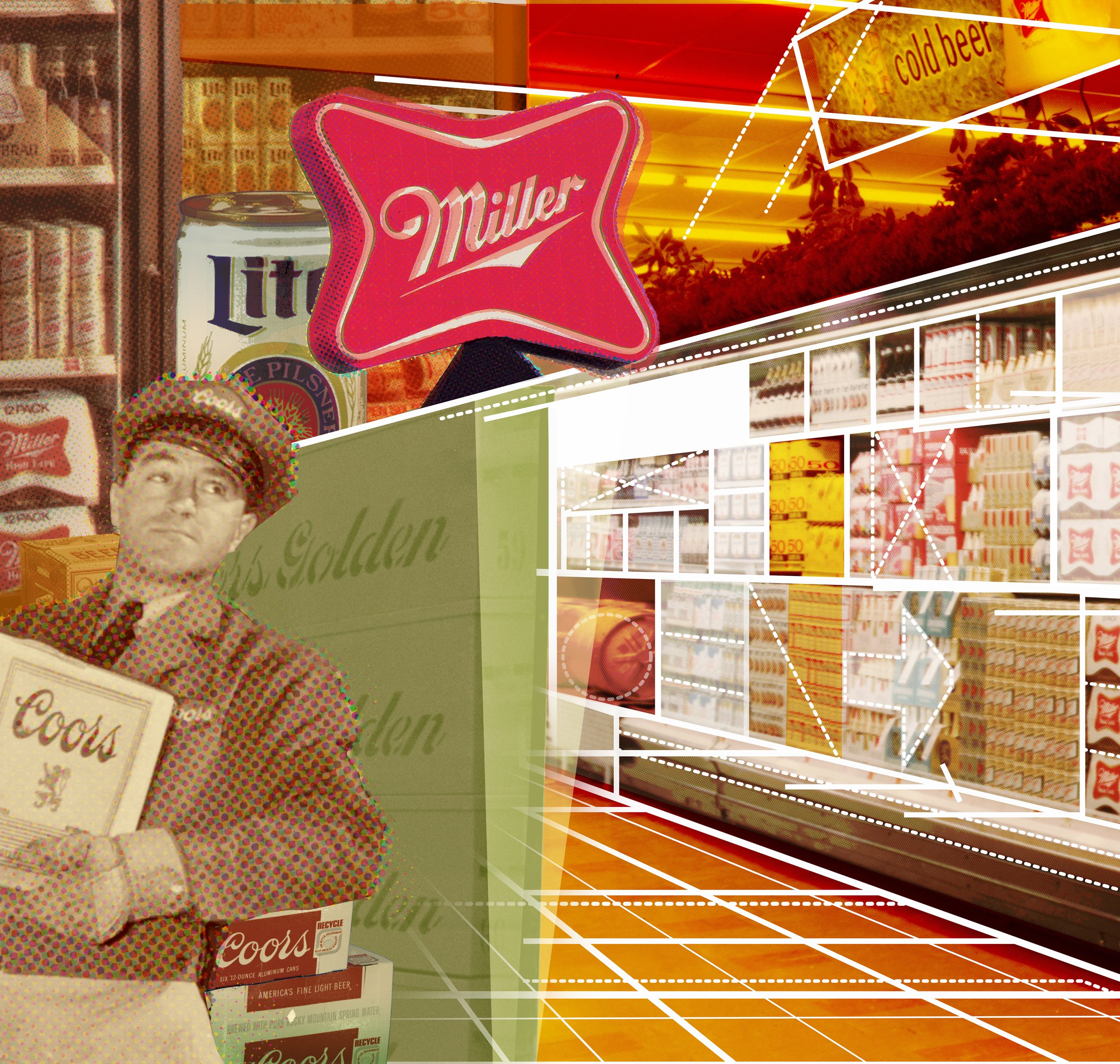
06 / printed + vinyl graphics
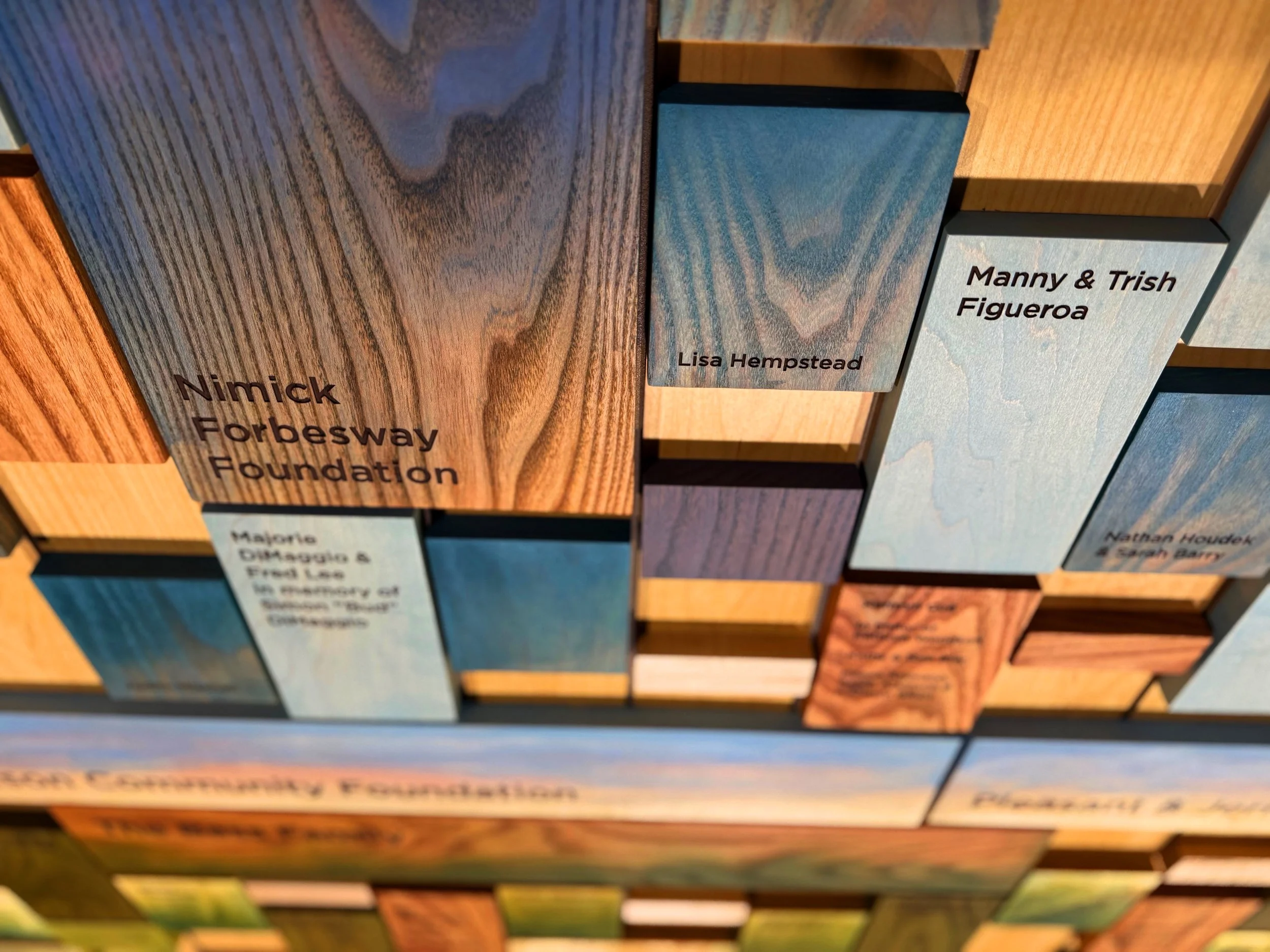
03 / woods
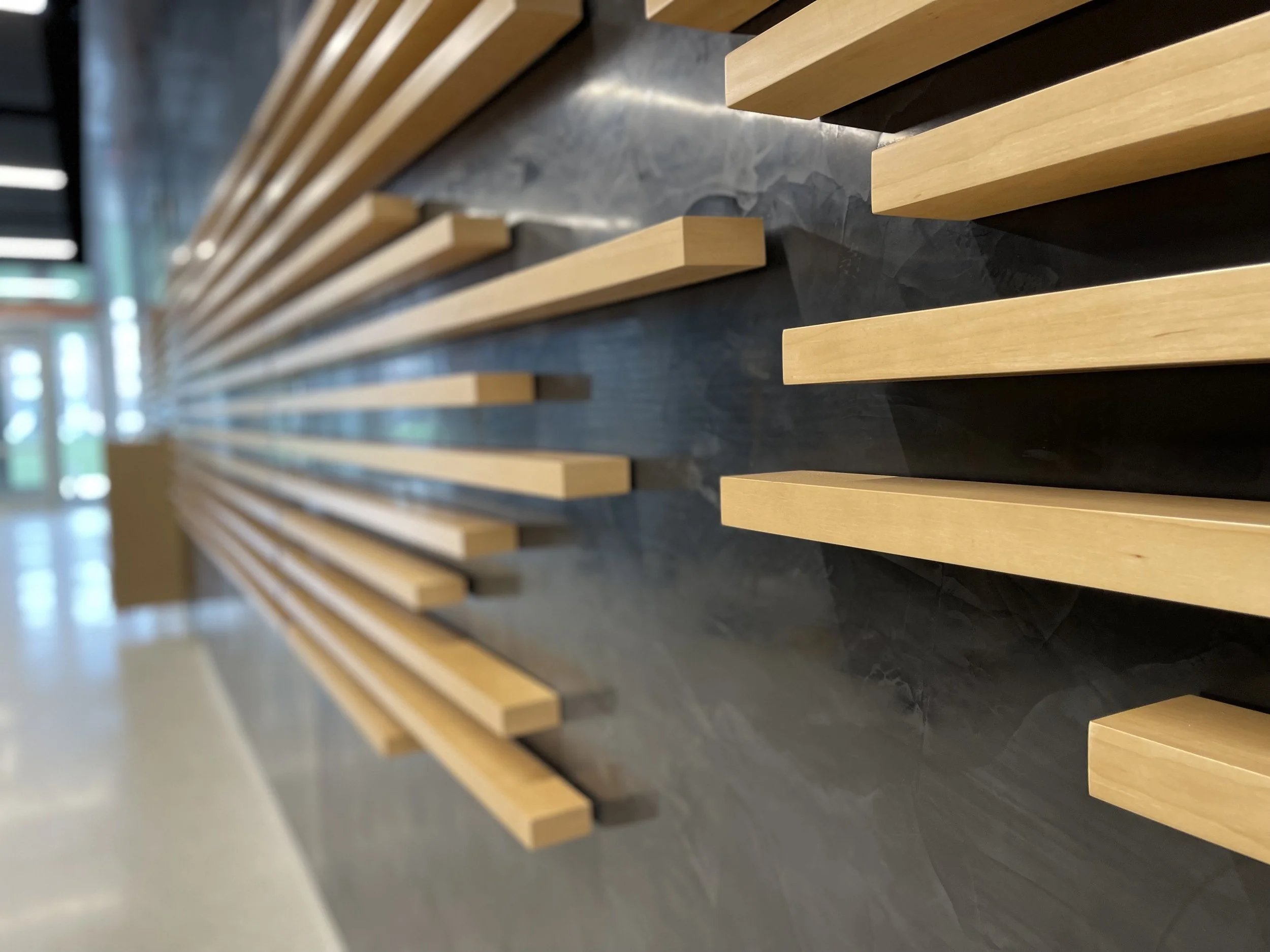
07 / Rigid substrates + mounting systems
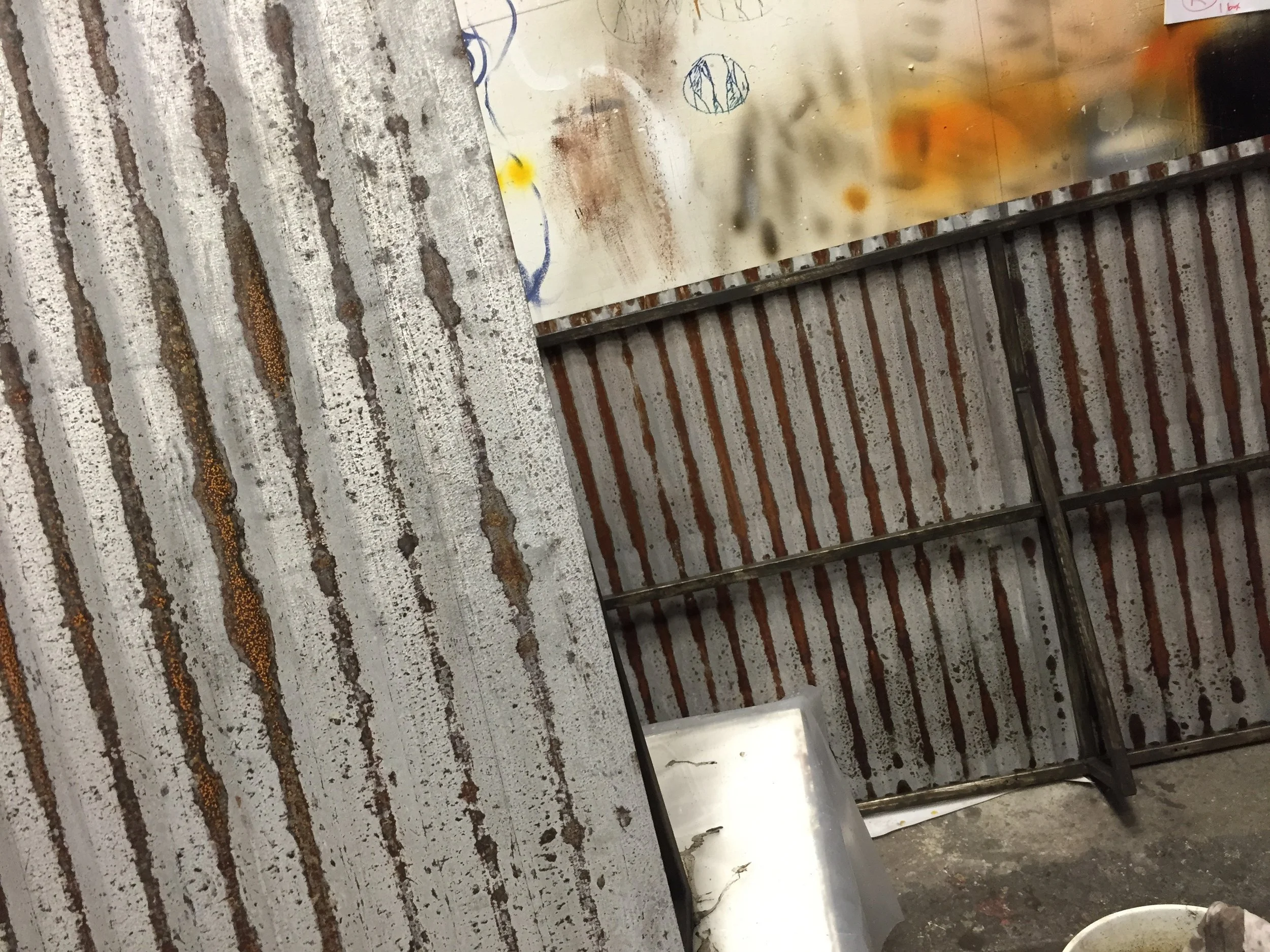
04 / metals
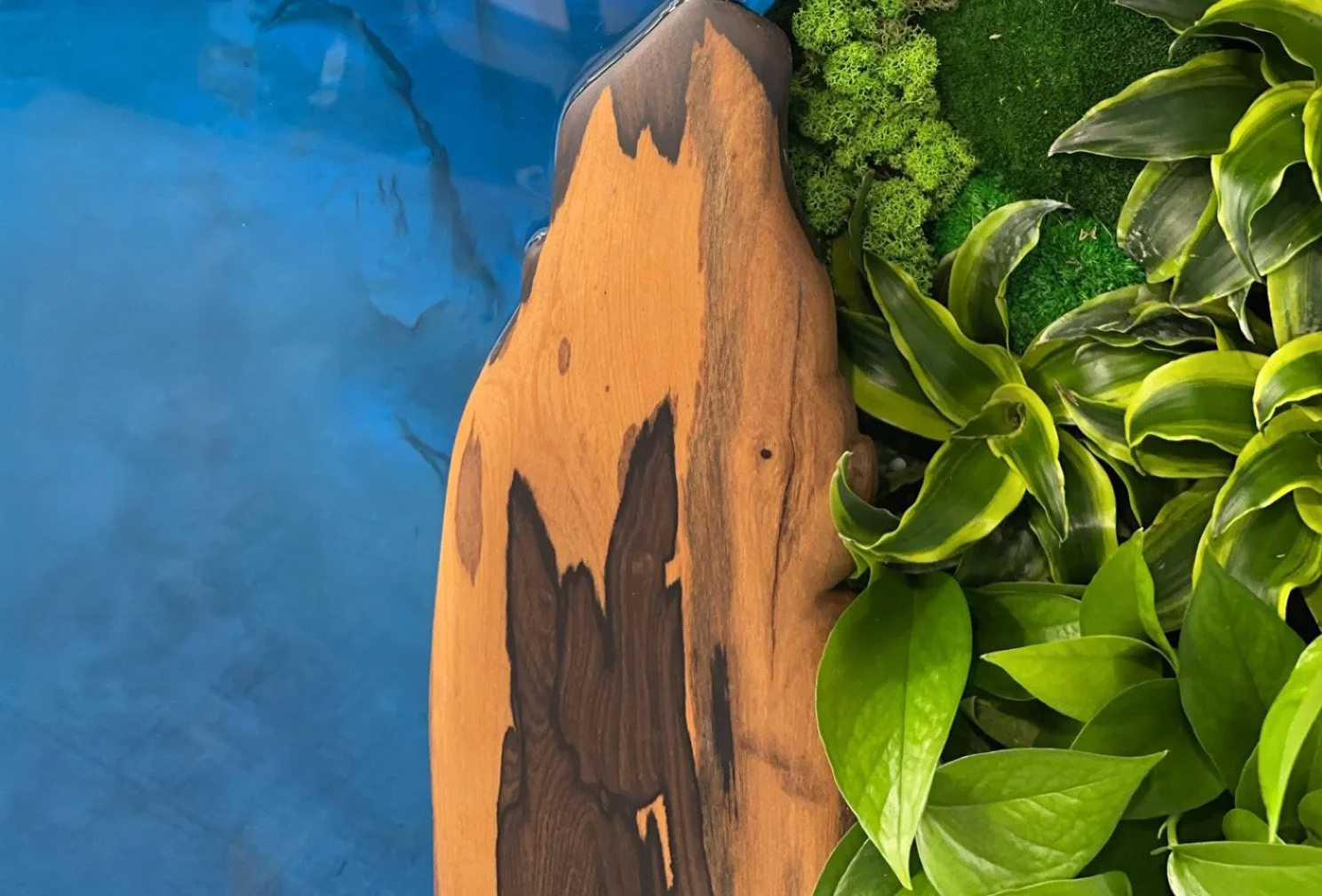
08 / botanical + found elements
The right material depends on
more than how it looks.
ENVIRONMENT
Where will it live? Interior or exterior, light exposure, moisture, temperature, traffic, and surrounding conditions all affect material choice.

ENVIRONMENT
fabrication
How a material cuts, bends, prints, paints, bonds, fastens, or finishes affects what we can ask it to do.

FABRICATION
durability
How will it be touched, cleaned, maintained, or exposed to everyday wear?

DURABILITY
SCALE + STRUCTURE
longevity + growth
How the work mounts, comes apart, gets updated, or needs to be accessed over time matters from the beginning.
LONGEVITY + GROWTH
finish + appearance
Color, transparency, texture, sheen, edge quality, and how the material changes under different lighting conditions.
installation + serviceability
How the work mounts, comes apart, gets updated, or needs to be accessed over time matters from the beginning.
INSTALLATION + SERVICABILITY
scale + structure
Size, weight, thickness, span, and support can change what materials and construction methods make sense.

FINISH + APPEARANCE
budget
Material choice is only one part of cost. Fabrication, finishing, hardware, labor, and installation all play a role.

BUDGET
BETTER TOGETHER.
We rarely think about a material on its own. Some of the most interesting results come from how materials interact, contrast, and work together.
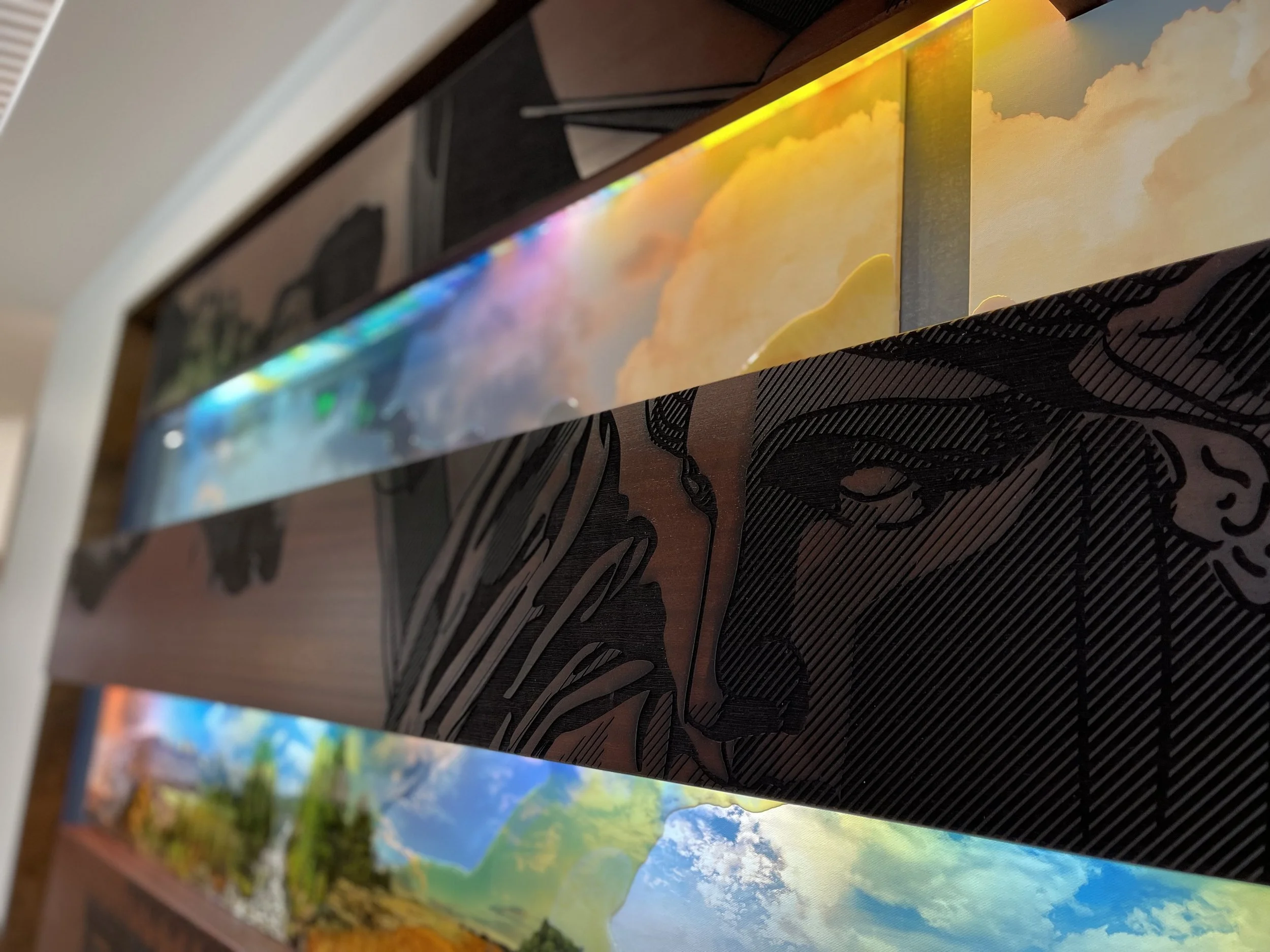
wood / LED LIghting / Print
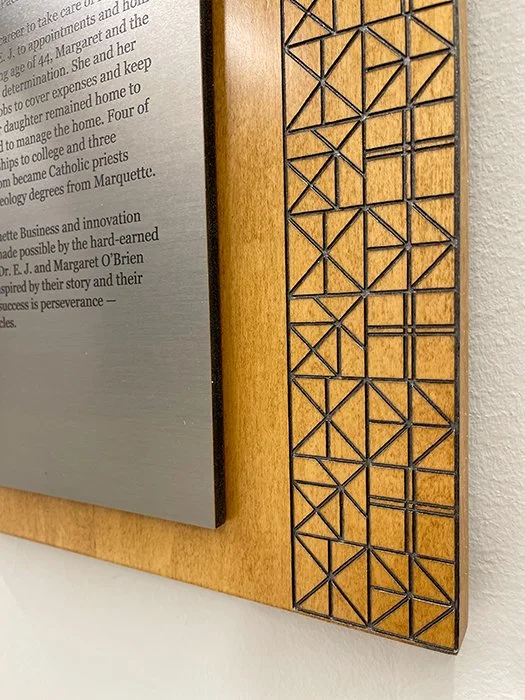
wood / metal
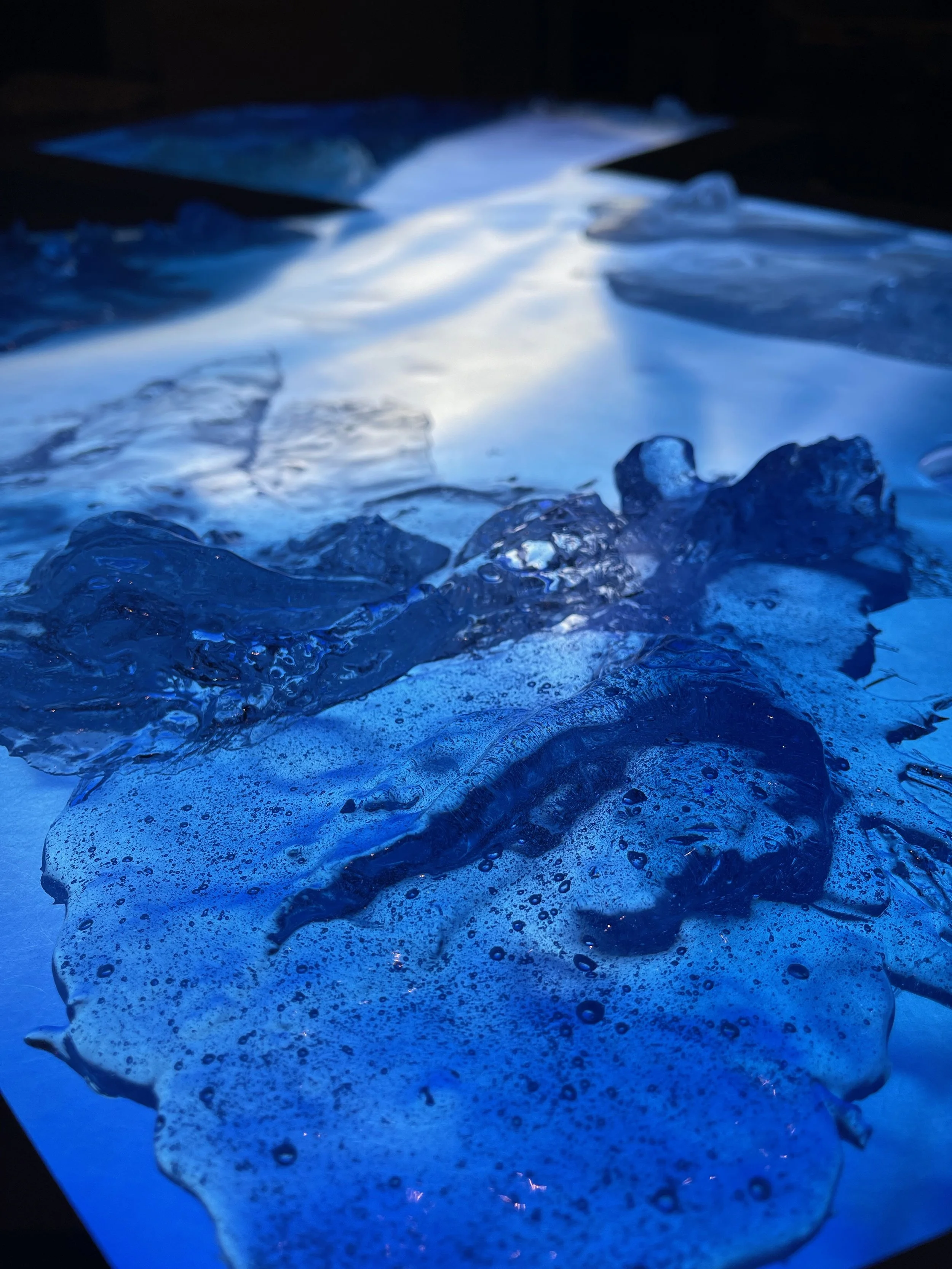
METAL / ACRYLIC / LED LIGHTING
method index
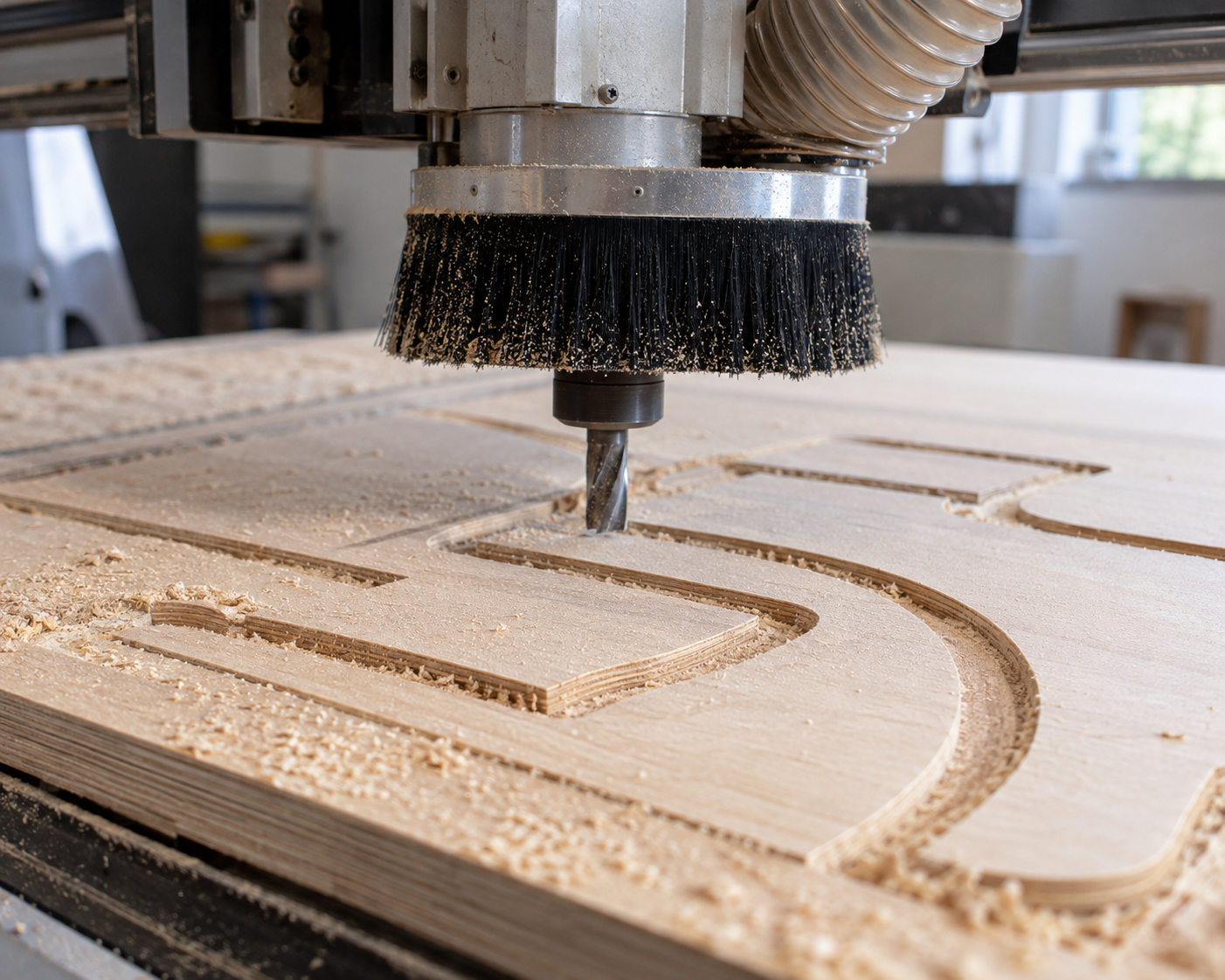
01 / CNC Routing
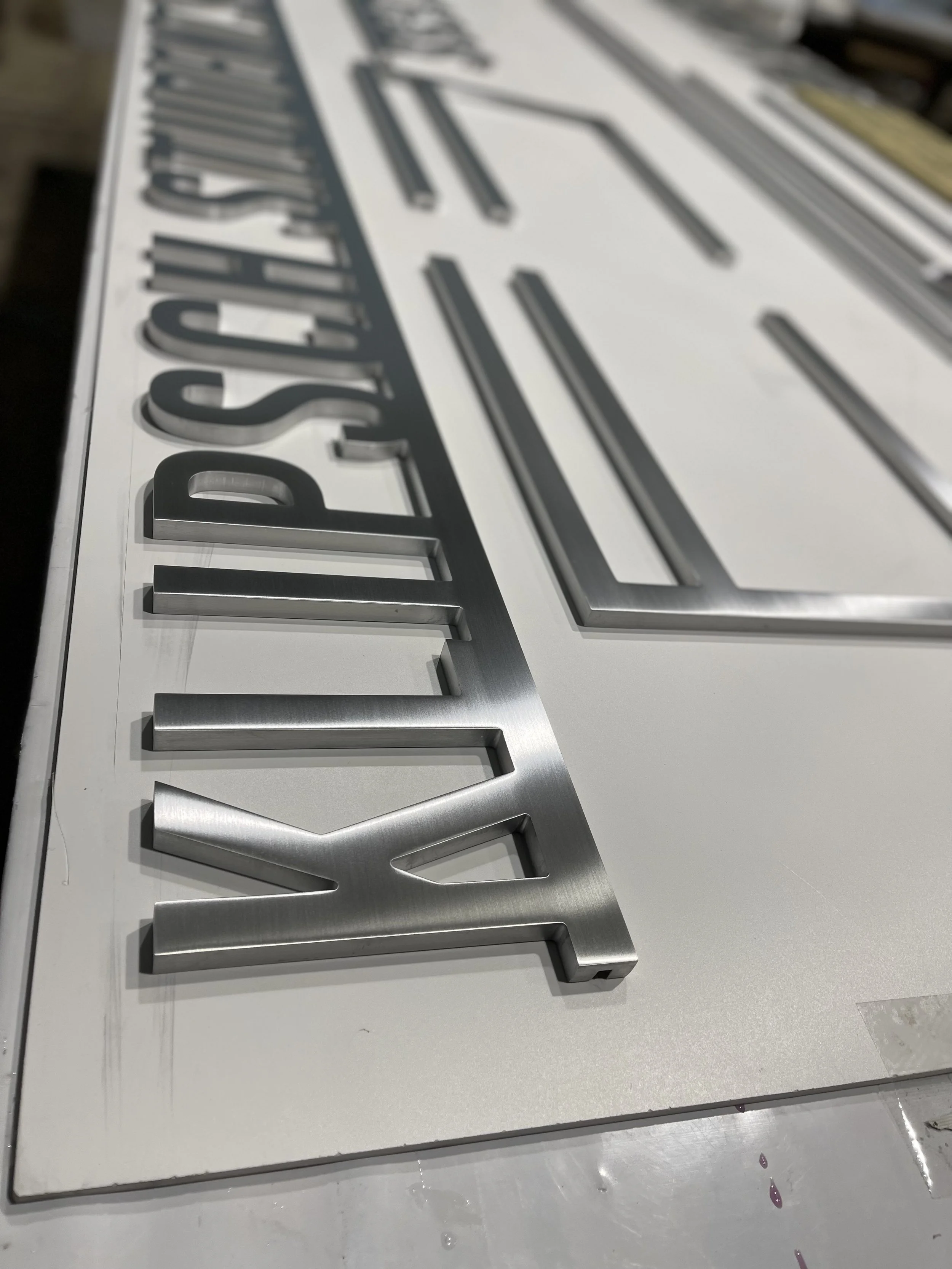
05 / finishing
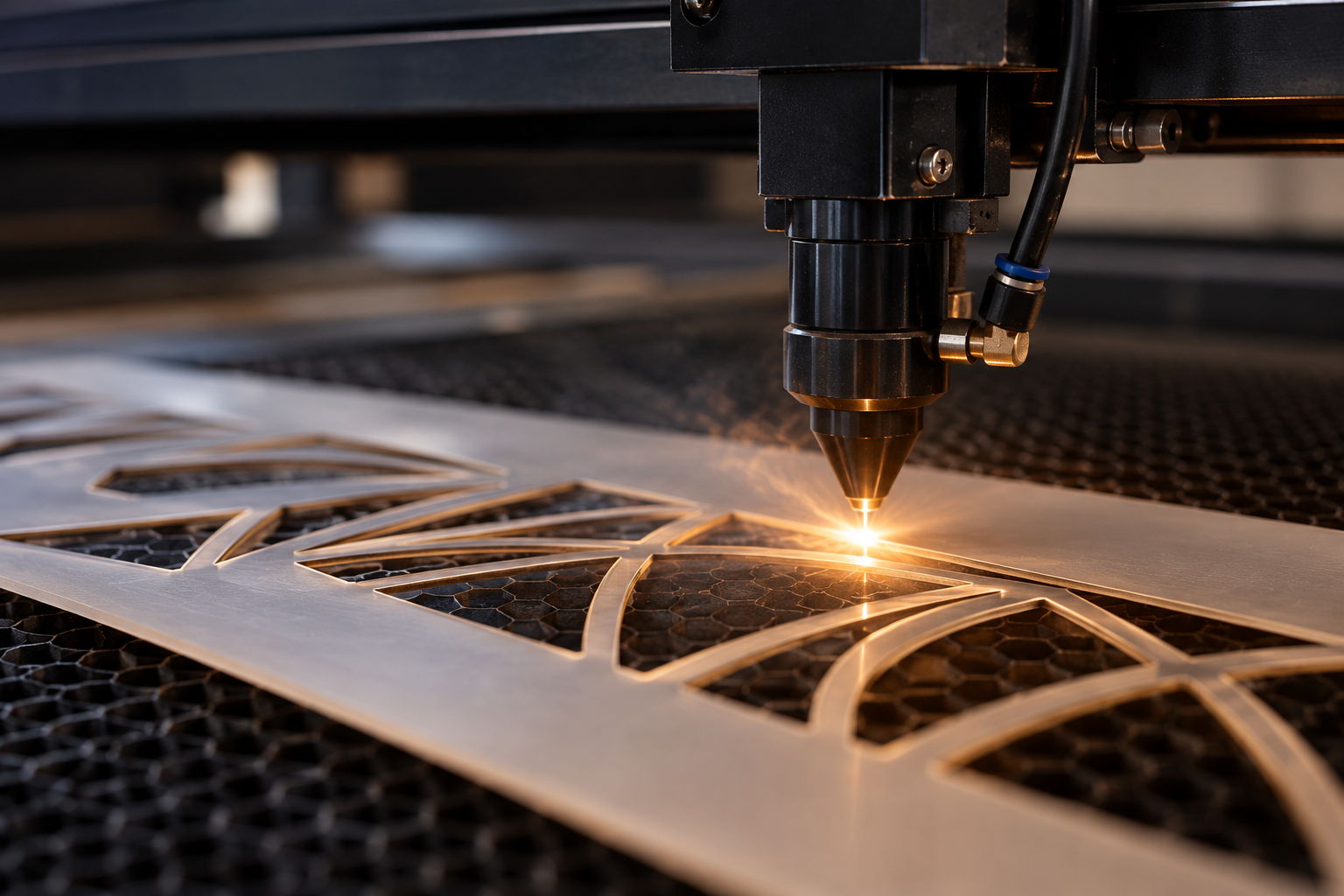
02 / LASER CUTTING + ENGRAVING
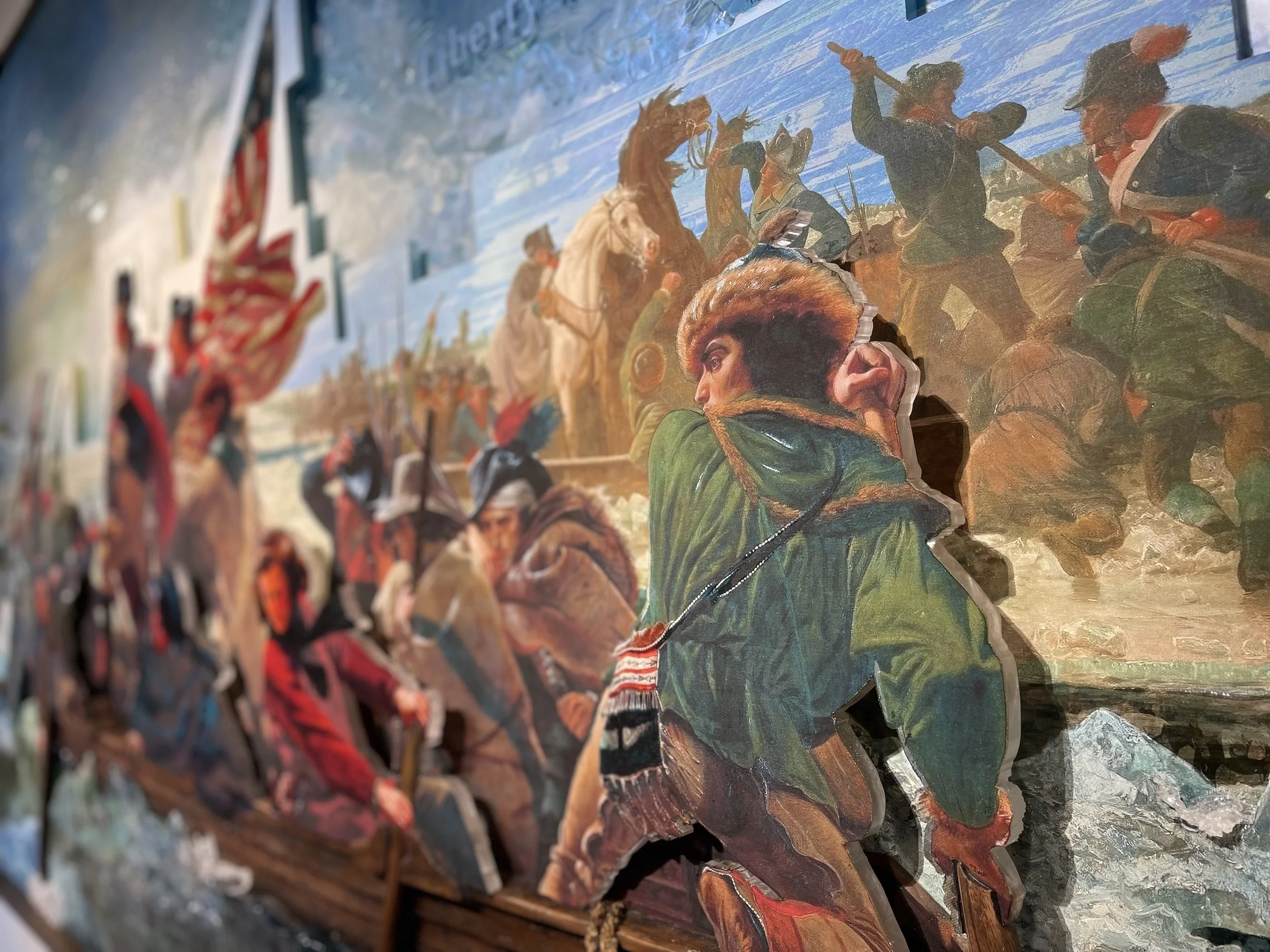
06 / layering
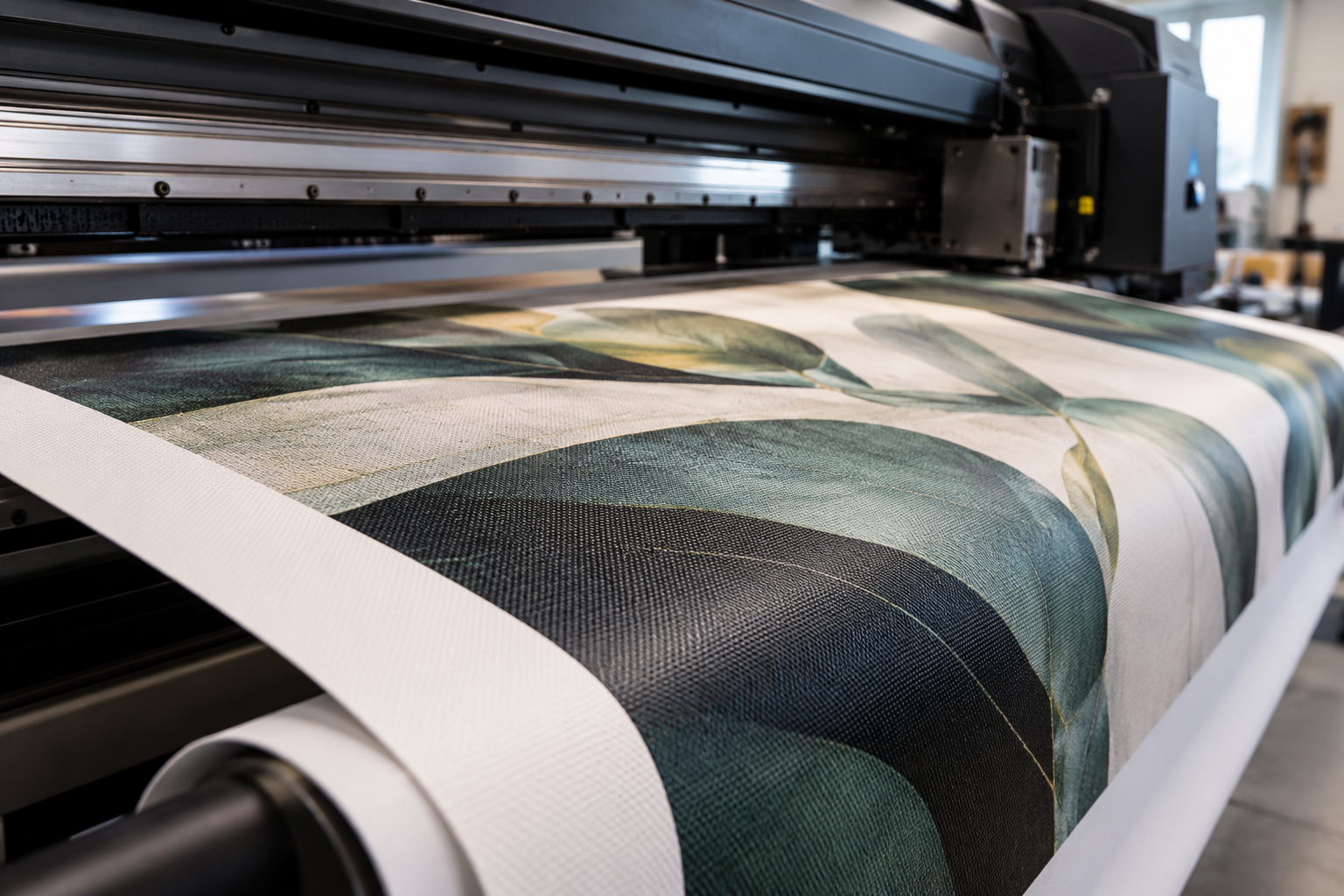
03 / printing
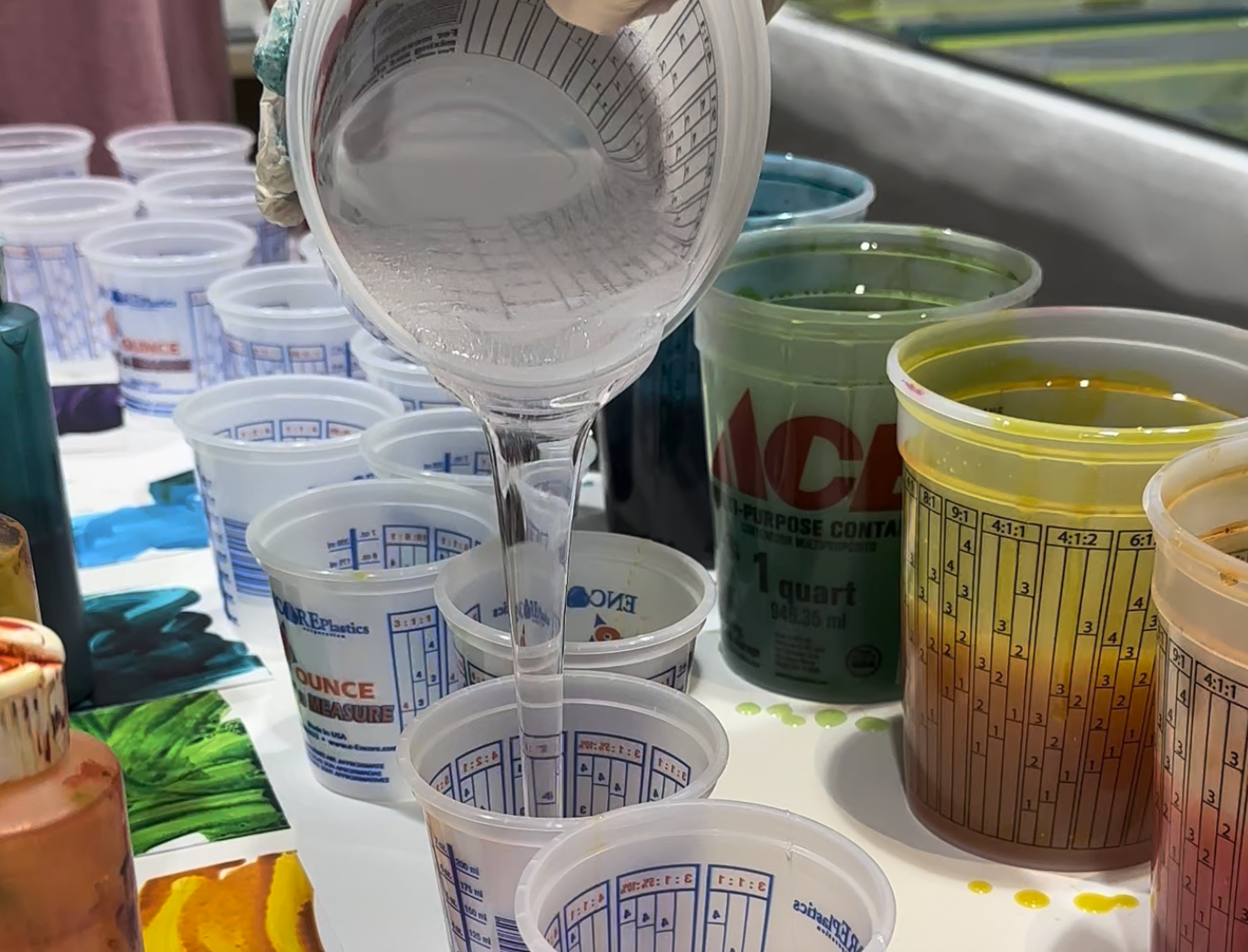
07 / Pouring
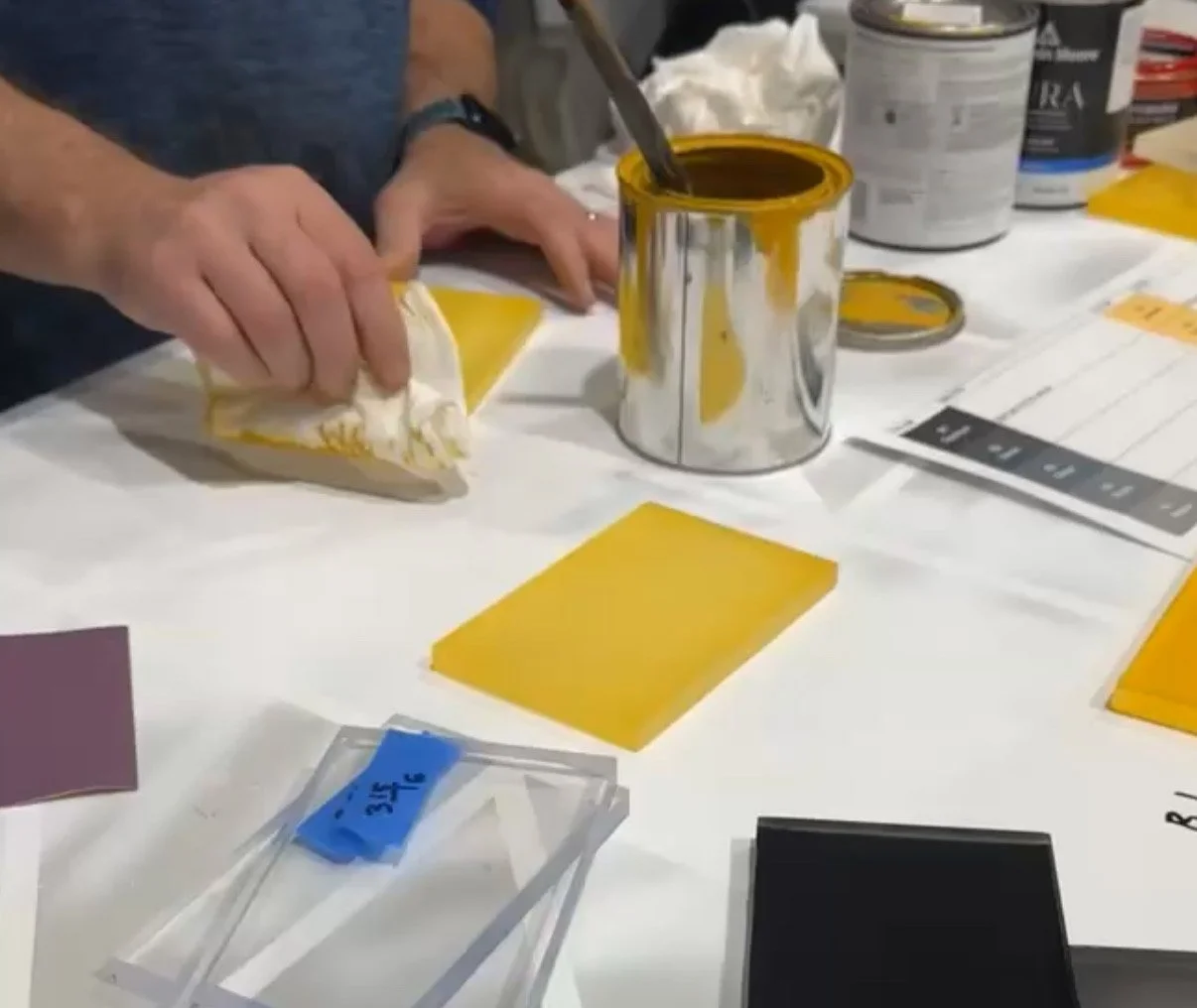
04 / paints + stains
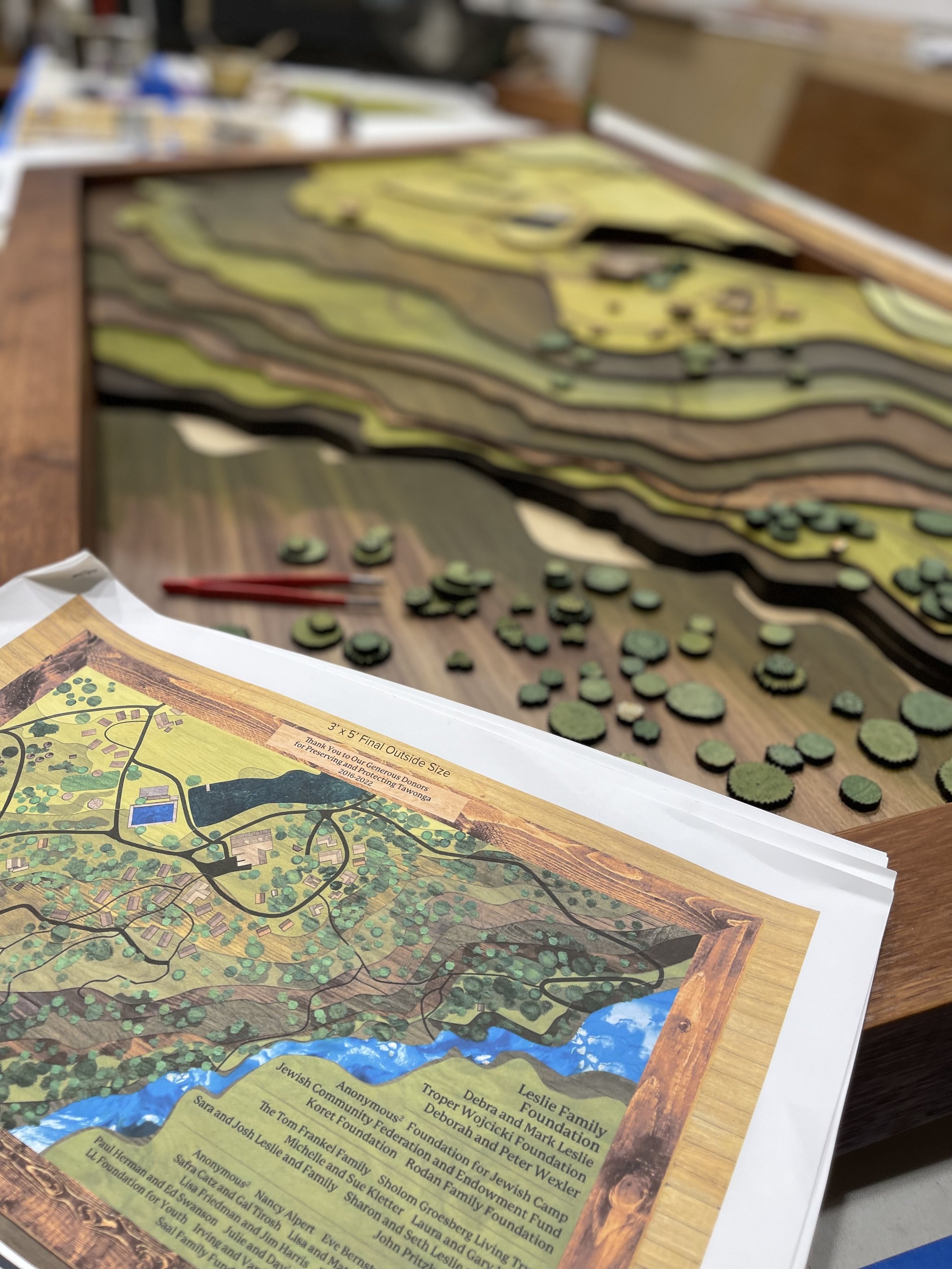
08 / Assembly
material meets method.
CNC CUT + PAINTED SUBSTRATE

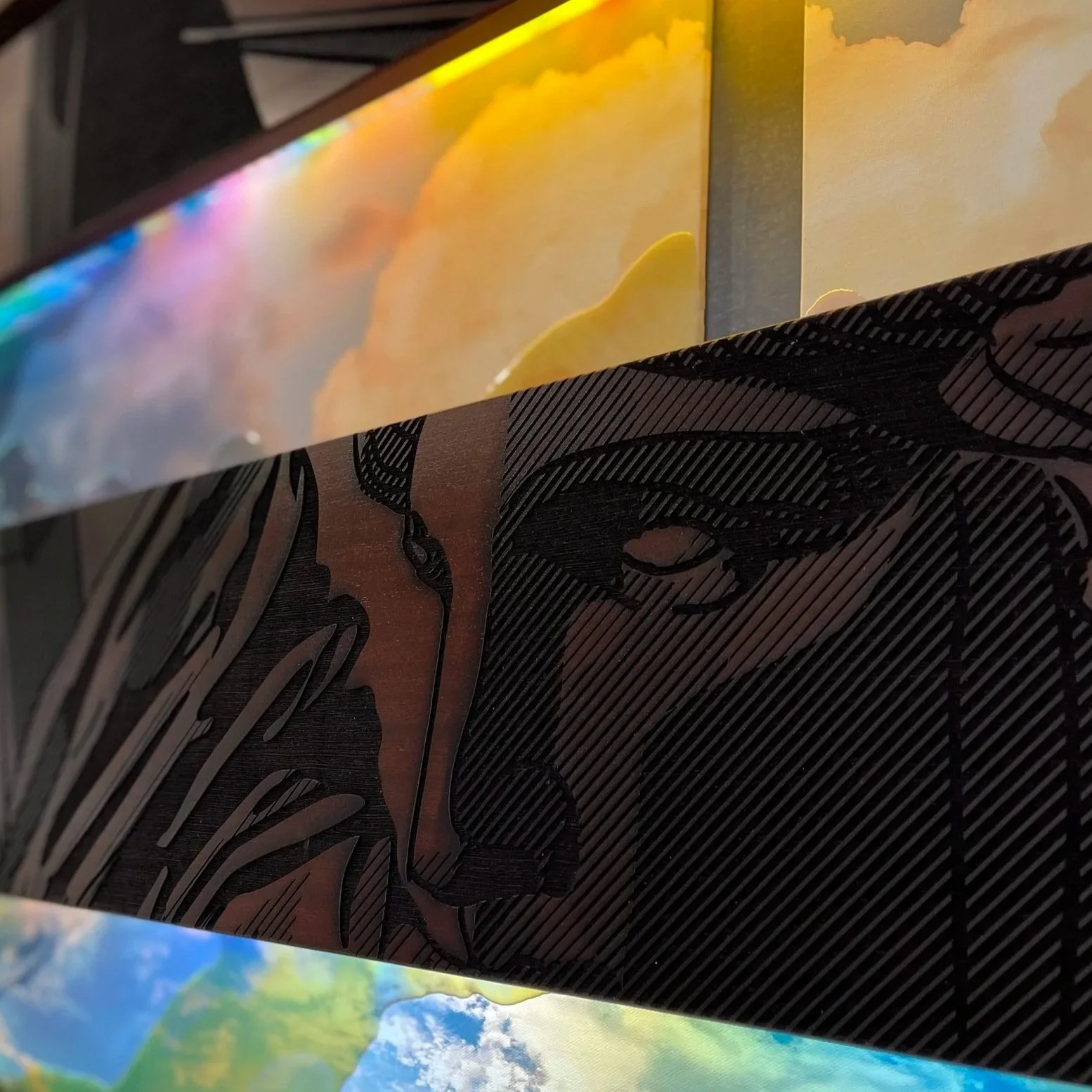
LASER ENGRAVED + FINISHED WOOD
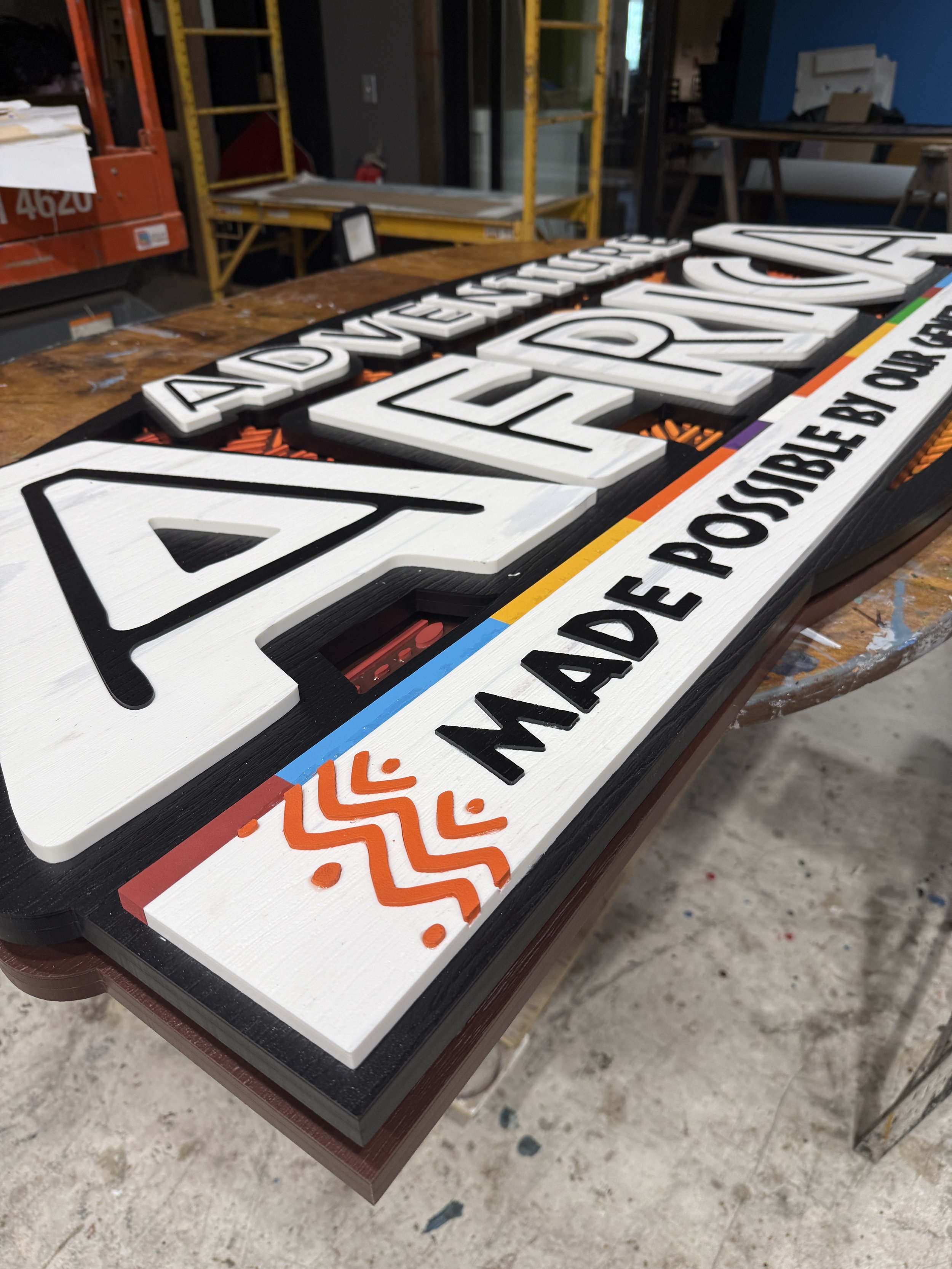
CNC CUT + LAYERED HDPE

Laser engraved + hand stained acrylic with backfilled lettering
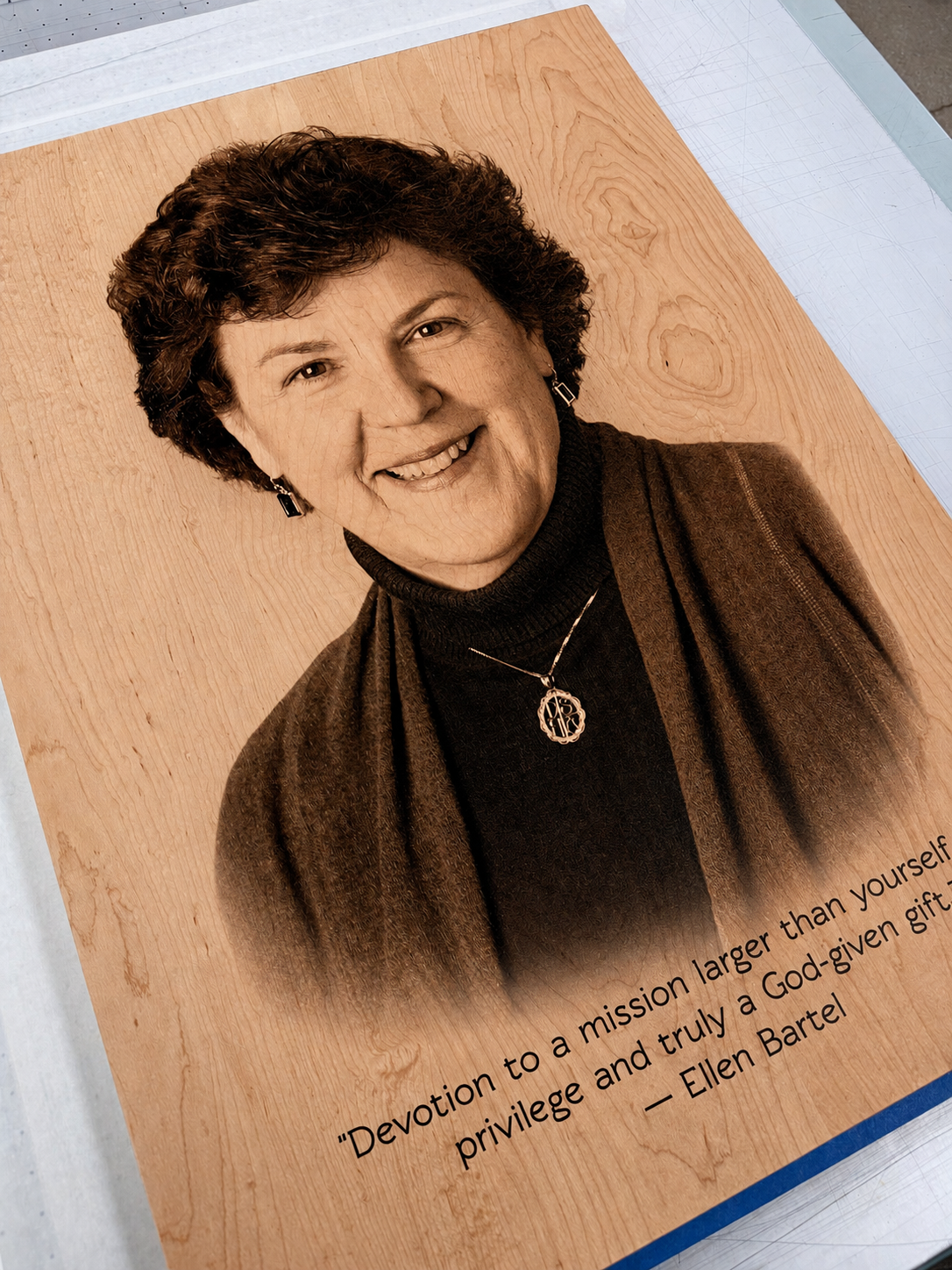
DIRECT TO SUBSTRATE PRINT ON FINISHED WOOD
LAYERED PANELS WITH PRINT + HAND PAINTED ELEMENTS WITH LED LIGHTING
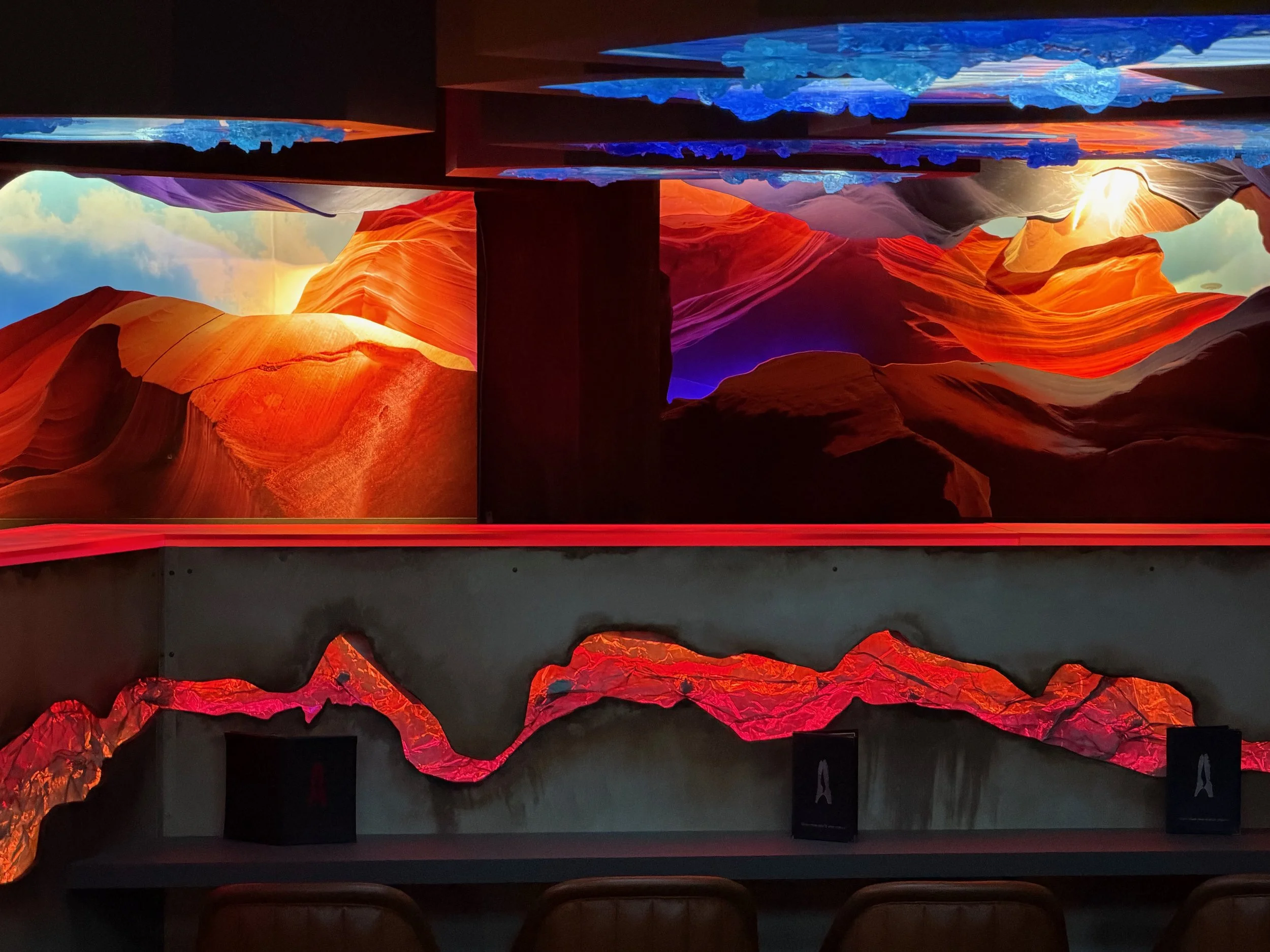

CNC CUT + FINISHED METAL
Problem solving with materials
milwaukee county zoo
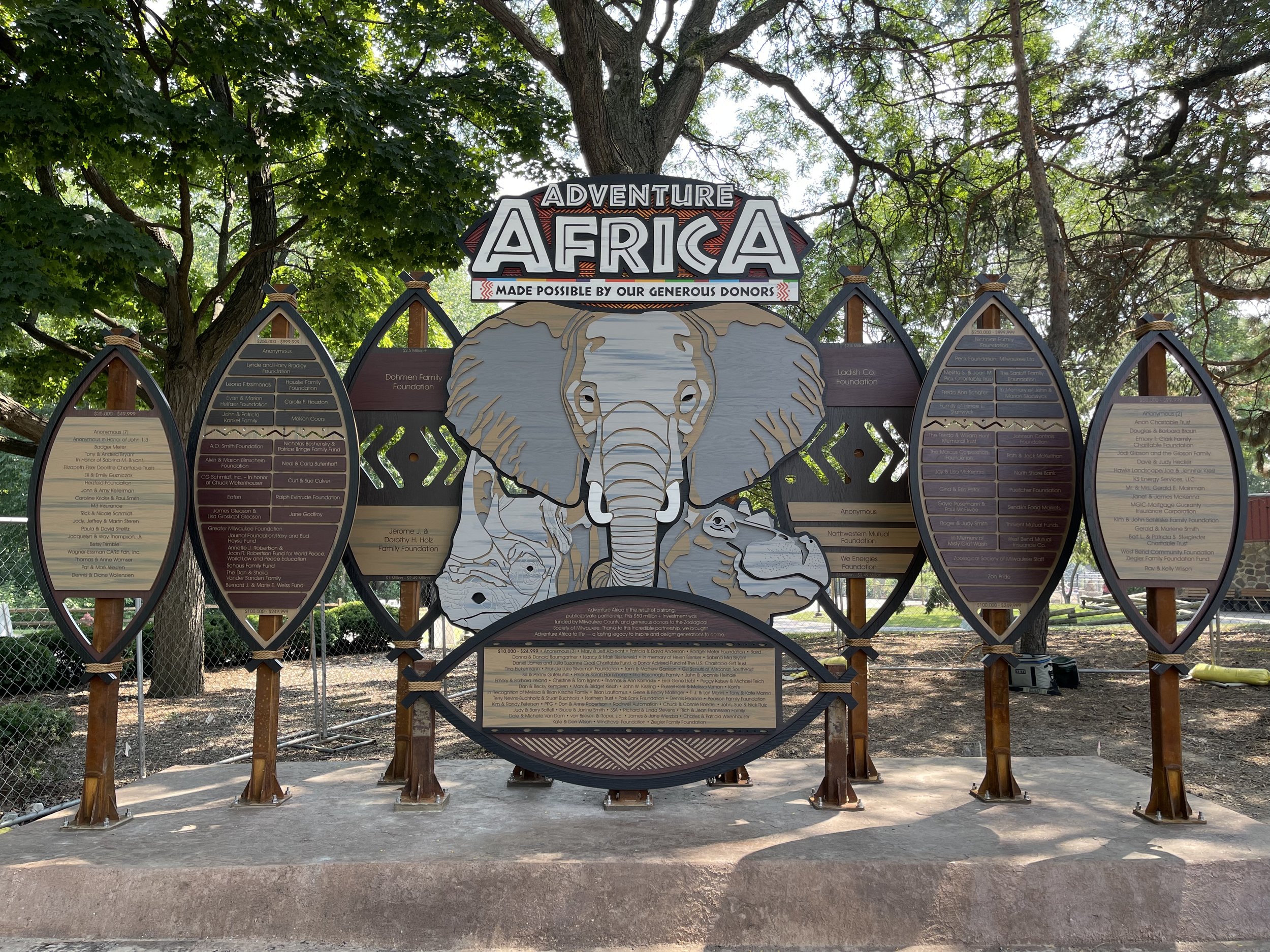
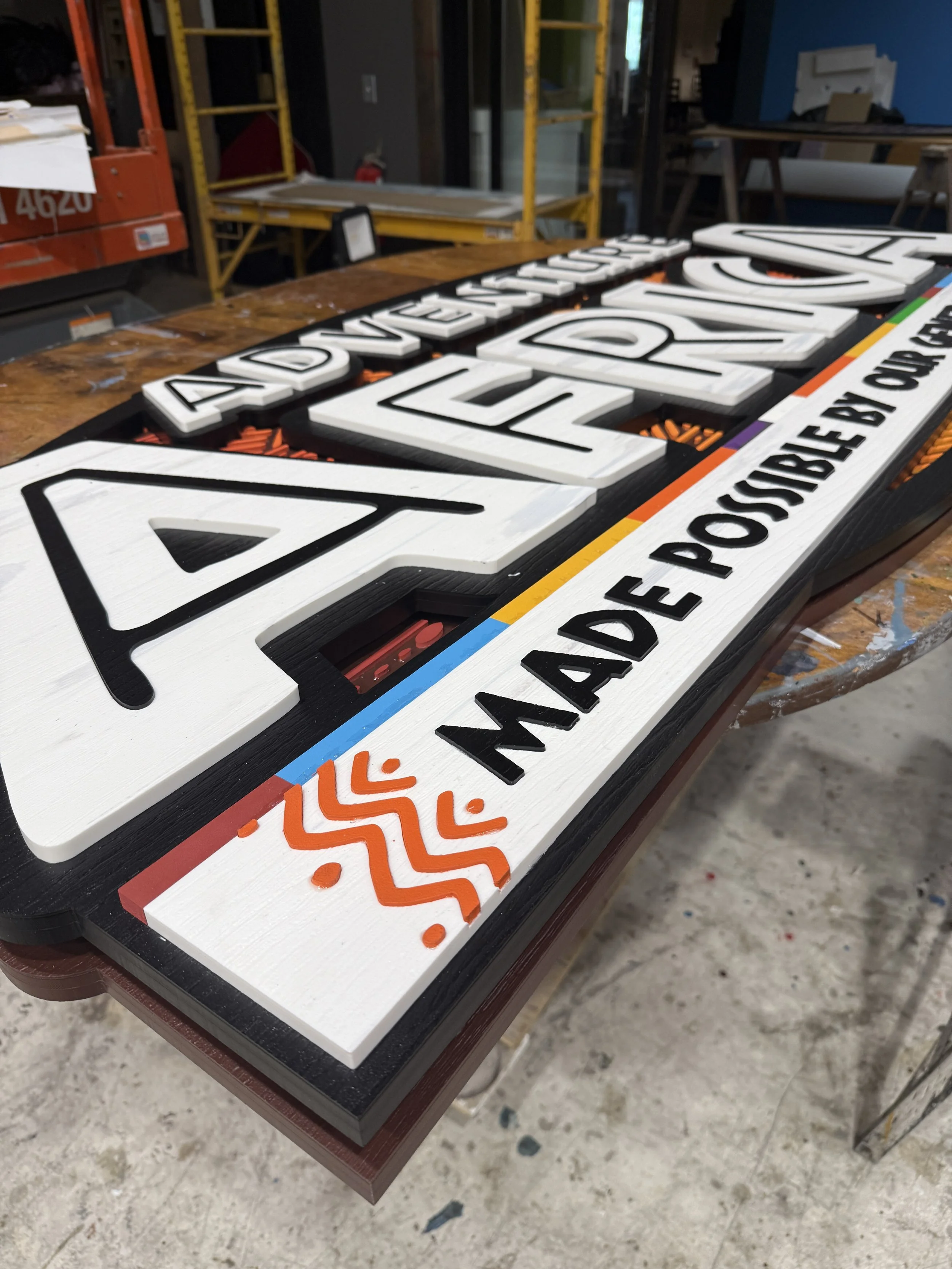
Adventure Africa Donor Recognition
Materials:
HDPE, Corten Steel, PVC
Methods:
CNC ROUTING + LAYERING + PAINT + HARDWARE + Locator backer
Problem:
Create an exterior installation that could withstand year-round conditions, require minimal maintenance, and support the design intent.
SOLUTION:
HDPE was selected for the durability the exterior environment required. Its properties then informed decisions throughout the project, from color and layering to lettering and assembly. Where HDPE couldn't give us exactly what we needed, we adapted the material, method, or construction.
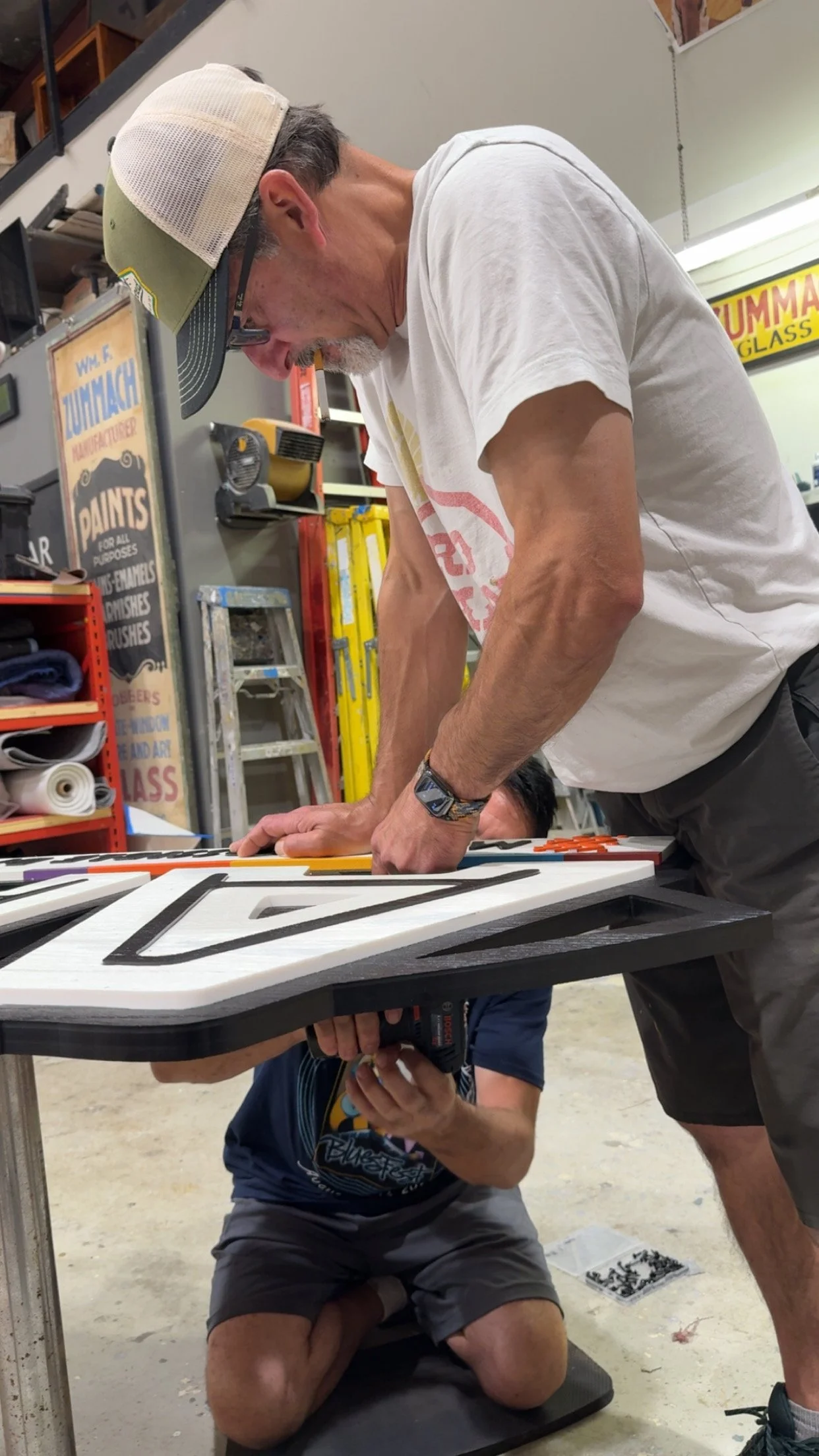
FABRICATION
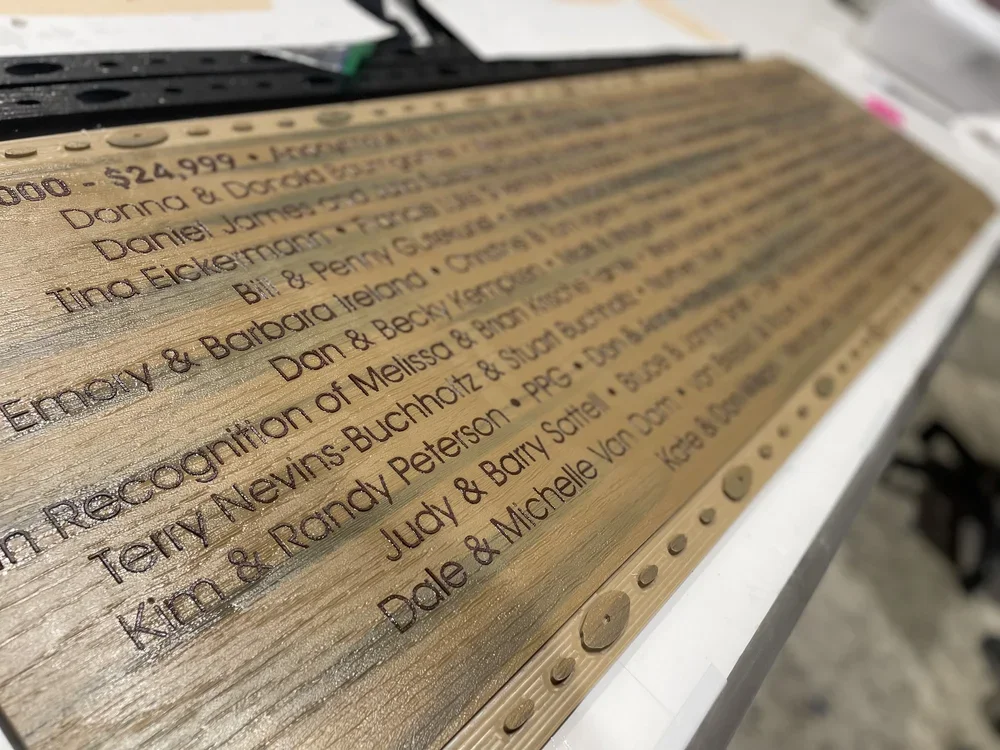
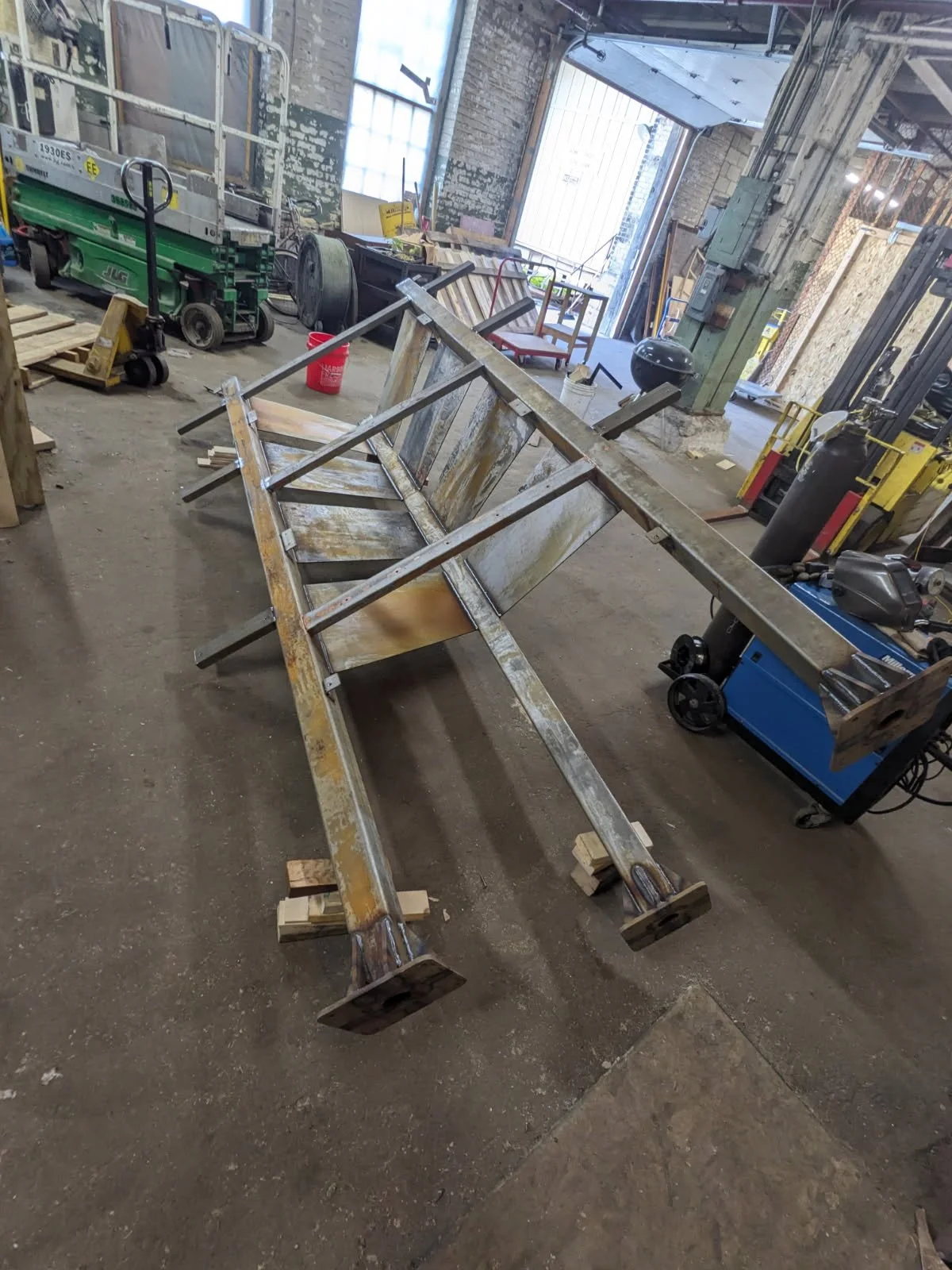
The layered HDPE construction relied heavily on CNC machining and mechanical fastening to work with the material's properties.
COLOR
Stock HDPE colors drove much of the palette; painted PVC was introduced where other colors were needed.
LETTERING
When conventional paint-filled engraving wasn't a reliable option, contrasting HDPE was inset into the engraved donor names.
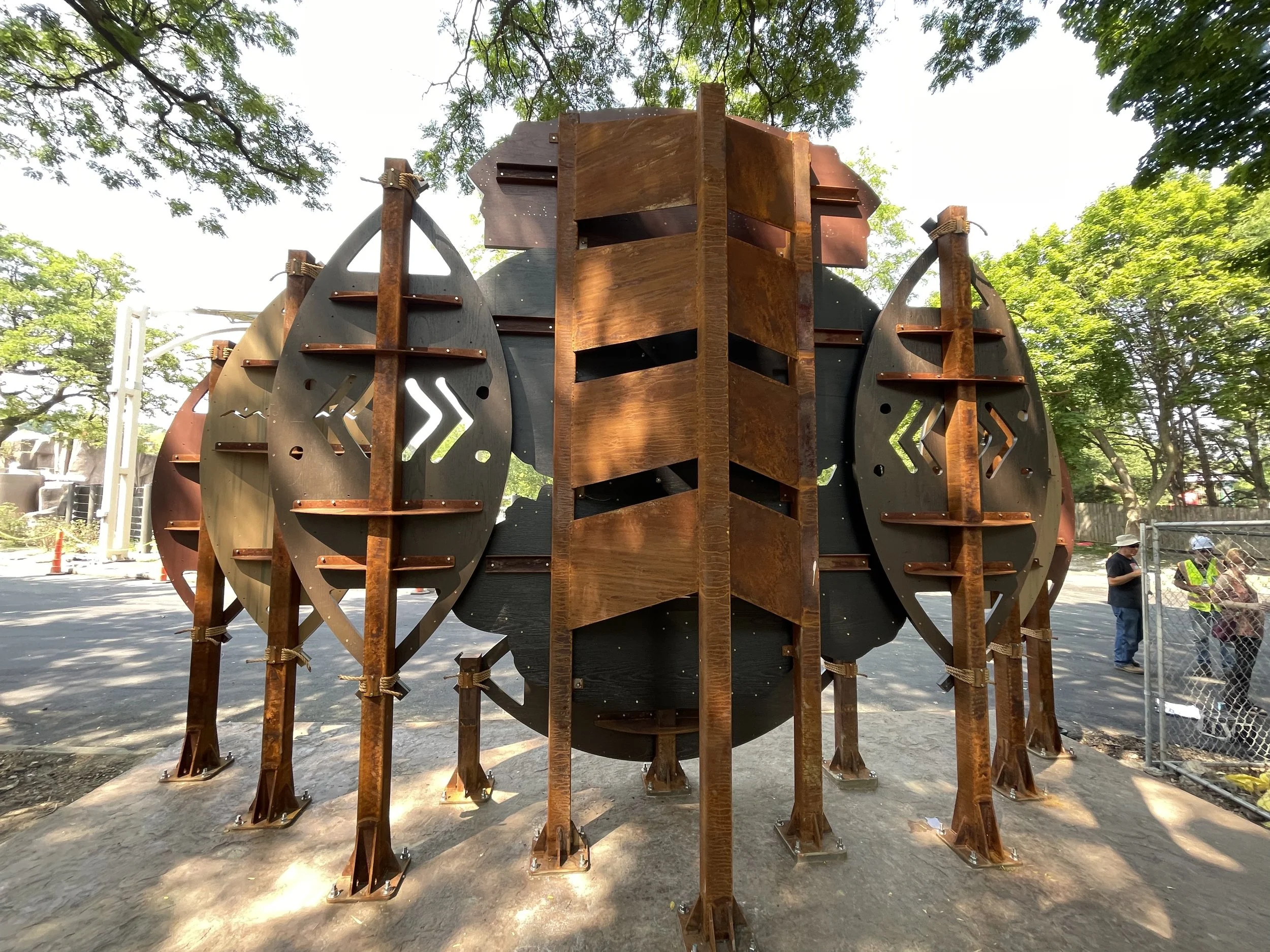
BUILT FOR THE ENVIRONMENT
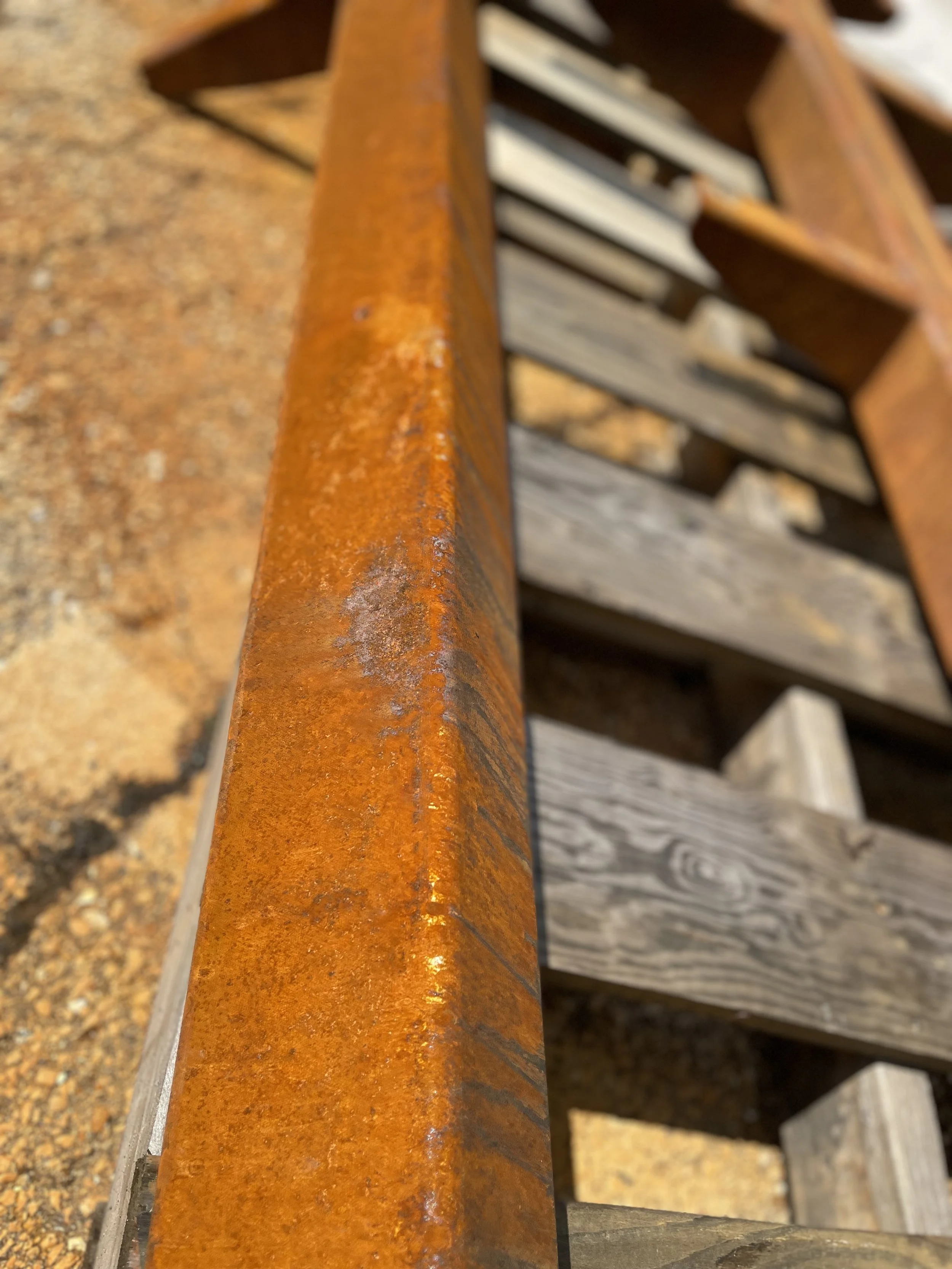
Corten steel provided the strength needed for the exterior structure. We intentionally rusted the Corten to soften its appearance and create a weathered finish that felt appropriate to the Adventure Africa environment.
materials + Methods FAQ
-
We look at more than appearance. Location, durability, scale, structure, finish, installation, maintenance, budget, and future updates all influence the material recommendation.
-
No. You can come to us with a fully developed specification or simply an idea of what you want the finished piece to feel like. We can help determine which materials and fabrication methods make the most sense.
-
Yes. Many of our projects combine materials such as wood, acrylic, metal, printed graphics, dimensional elements, and lighting. The key is making sure those materials work together visually, structurally, and during installation.
-
Yes. Material and fabrication decisions have a significant impact on cost. We can recommend alternatives that preserve the design intent while adjusting material, finish, construction, or installation approach to better fit the budget.
-
It depends on the material, thickness, edge quality, level of detail, and finished look. CNC routing works especially well for thicker materials and dimensional fabrication, while laser cutting is ideal for fine detail and precise cuts in compatible materials.
-
Absolutely. If a donor wall, recognition system, display, or branded environment will change over time, we can design the material and mounting system with future additions, replacements, or access in mind.
-
When appropriate, yes. Samples can help evaluate color, texture, transparency, finish, thickness, and how a material behaves under the lighting conditions of the space.
-
Ideally, materials are considered during the design process rather than after it. Material thickness, weight, fabrication method, mounting, lighting, and finish can all affect the design itself.
ask us about materials
Have a material question, a project challenge, or something you want to explore?