donor recognition inspired by Architecture
North Shore Congregation Israel | Imagine the Possible Campaign
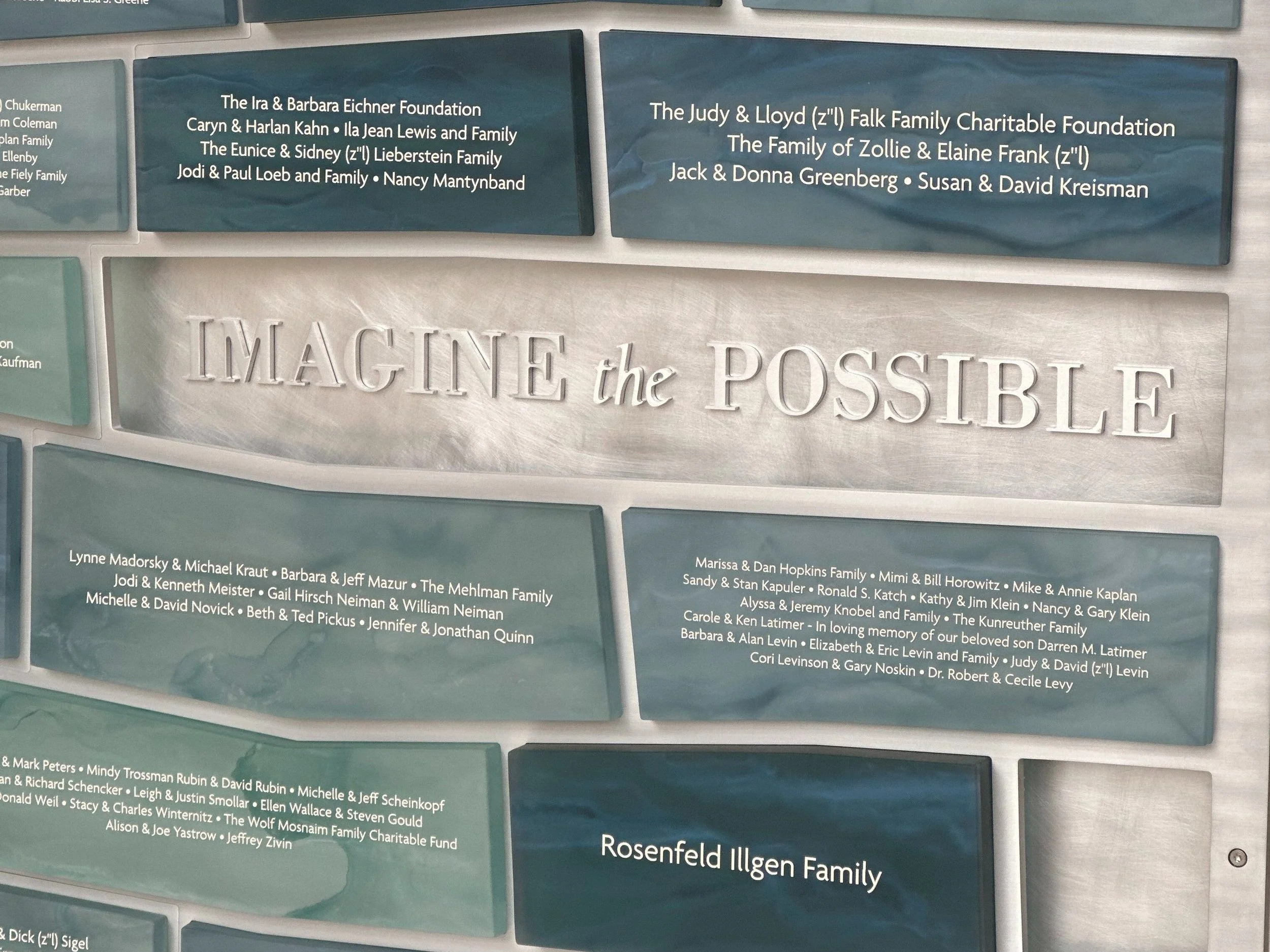
For North Shore Congregation Israel's Imagine the Possible Campaign, Spolar Studio designed, fabricated, and installed a custom donor recognition wall inspired by the synagogue's distinctive architecture and its setting along Lake Michigan.
The project brought together architectural inspiration, thoughtful design, custom material development, and precision fabrication to create a recognition installation celebrating the generosity of the congregation's community.
From our earliest conversations through final installation, each stage was an opportunity to explore possibilities, refine details, and develop a solution specific to the space.
Understanding the Space
Every project begins with understanding its surroundings, its purpose, and the people it serves.
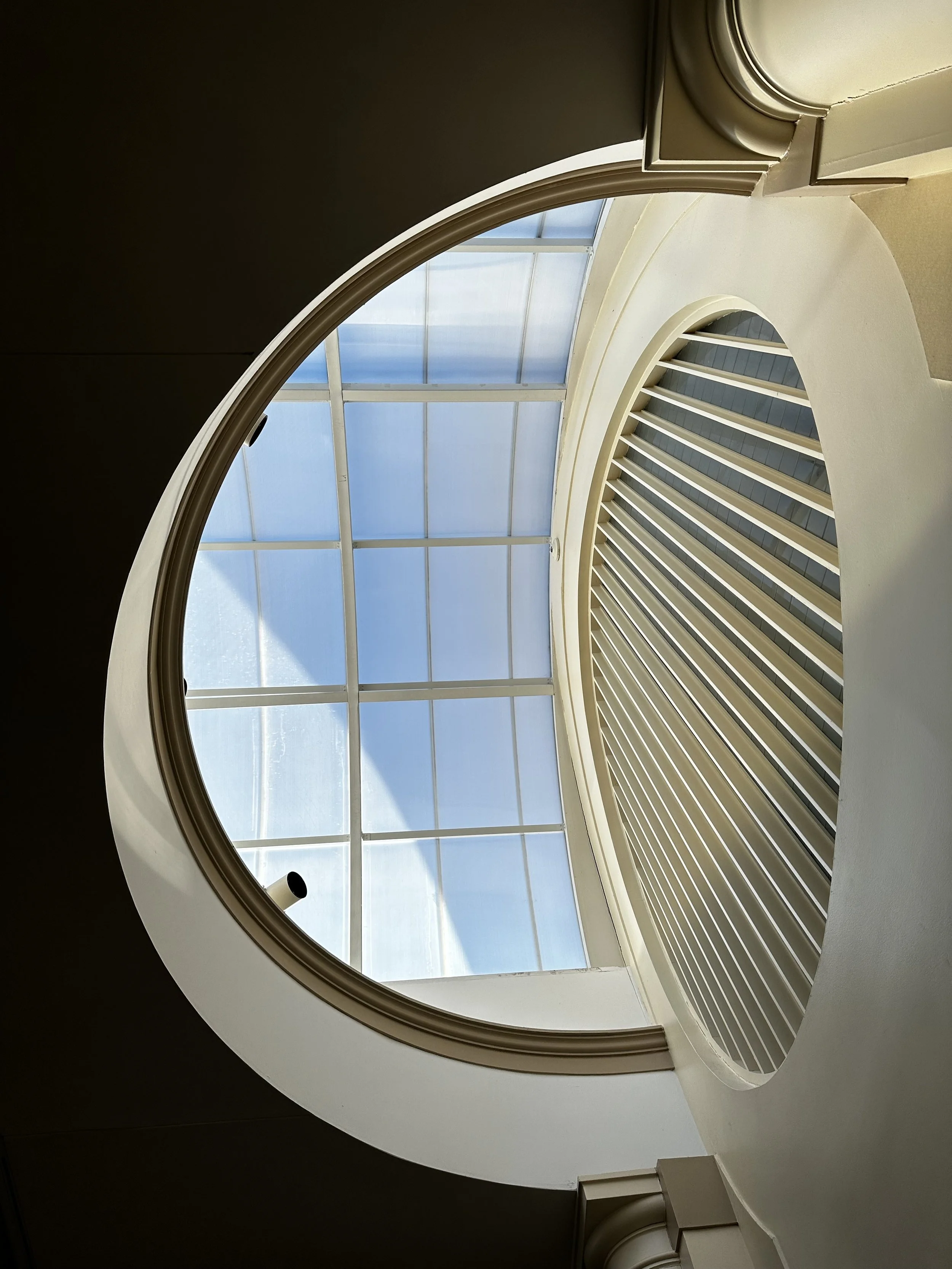
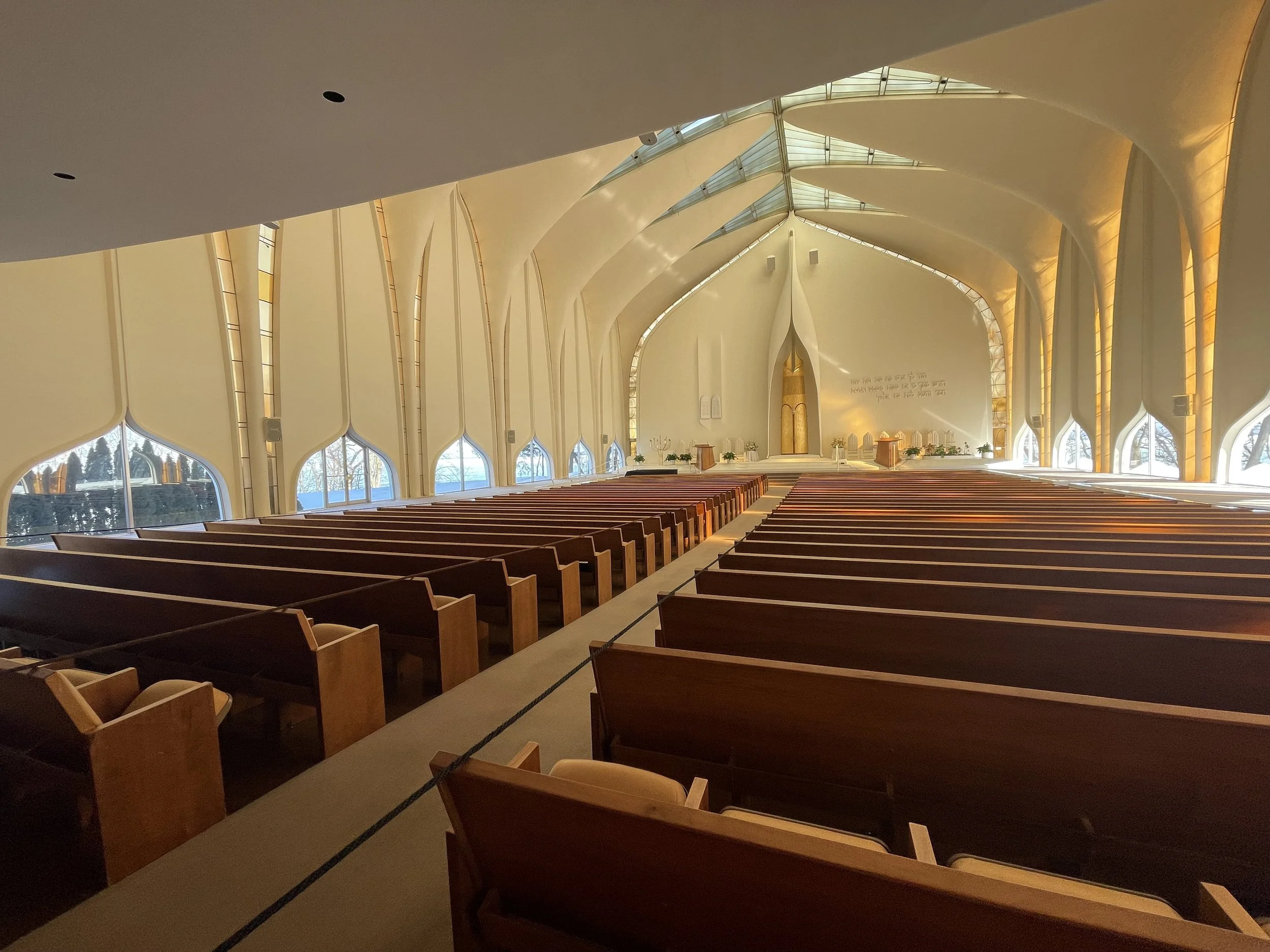
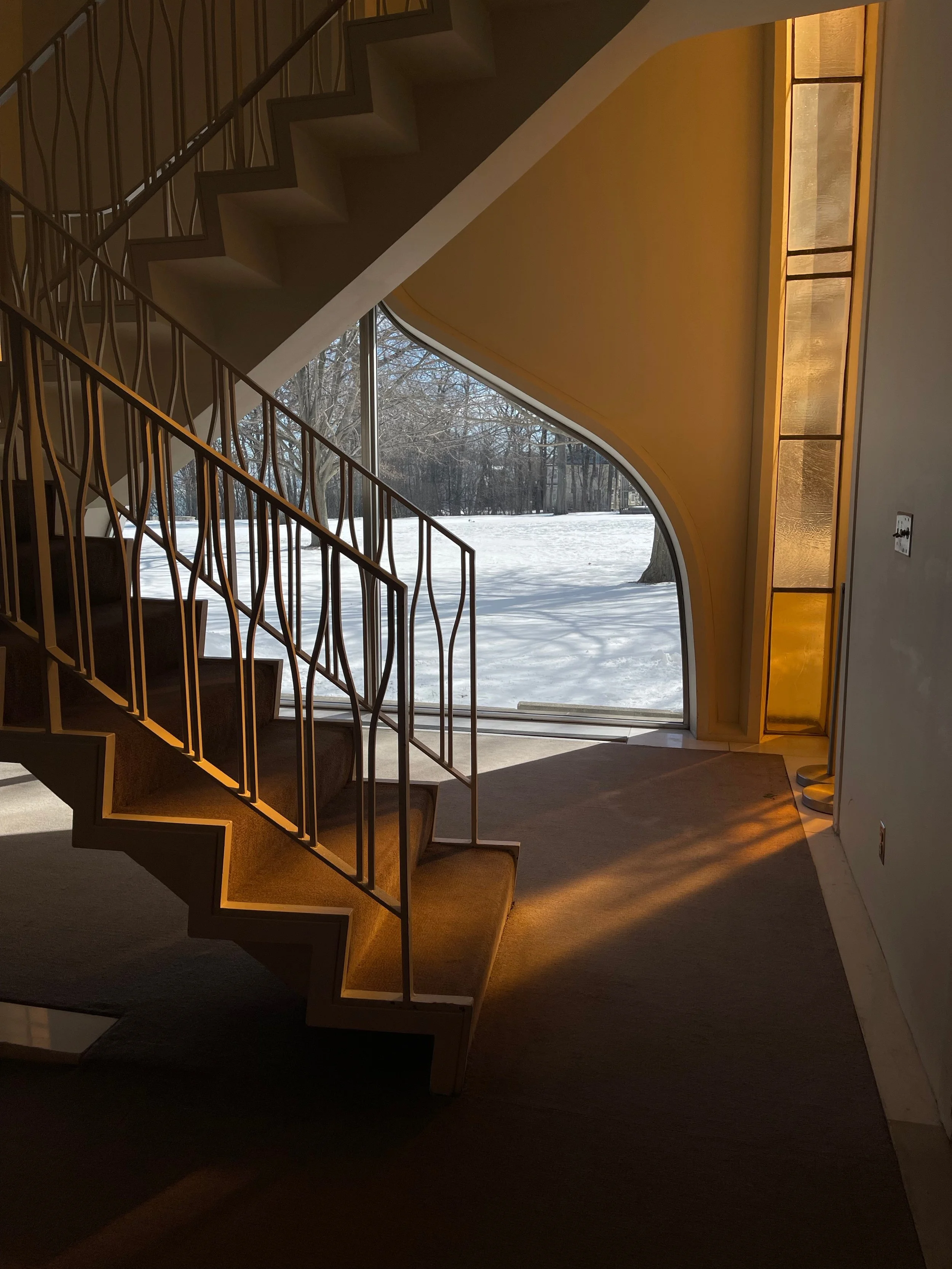
North Shore Congregation Israel's synagogue, designed by architect Minoru Yamasaki, provided a distinctive starting point. Its architectural character, natural light, and proximity to Lake Michigan offered inspiration for a recognition installation that would feel connected to its surroundings.
Rather than approaching the project with a predetermined design or recognition system, we began by considering the congregation's goals, the available space, and the opportunities presented by the architecture.
These early considerations helped establish a foundation for the design process.
Establishing a Visual Direction
Our design process begins with precedents: a collection of reference images, materials, and examples that help us explore potential design directions with our clients.
Precedents are not proposed designs. They serve as conversation starters, helping us identify what resonates, what doesn't, and which approaches might be appropriate for a particular project.
For North Shore Congregation Israel, we explored examples of donor recognition, architectural forms, materials, and finishes. These references helped guide conversations about the character of the installation and establish a shared visual direction before design work began.
This early collaboration allows us to better understand our clients' preferences and make more informed design decisions as the project progresses.



These precedents represent the visual references that resonated most with the North Shore Congregation Israel project team. Their feedback helped us identify preferred materials, forms, and design qualities, providing a shared direction for the concepts we would explore next.


Exploring the Possibilities
With an initial direction established, we moved into concept development.
This is where research, conversations, and inspiration begin to take shape as actual design possibilities. We explore different approaches to composition, materials, scale, and how recognition elements might be organized within a space.
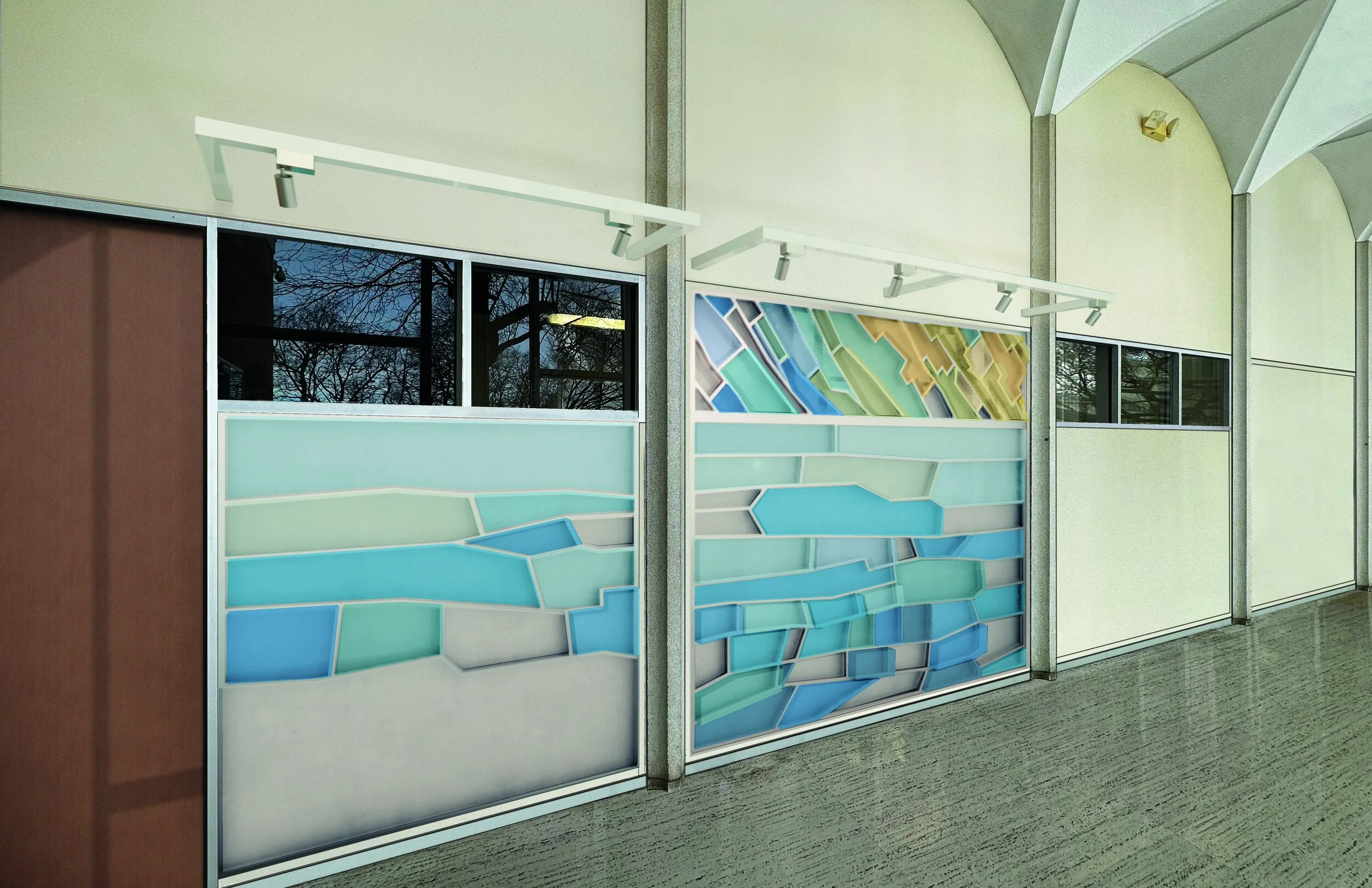
For North Shore Congregation Israel, we developed four initial concepts, each offering a different interpretation of the project's goals and architectural setting.
Presenting multiple approaches gave the project team an opportunity to compare possibilities, discuss priorities, and identify which elements best suited their vision.
Through this collaborative review, the scope was refined to a single recognition wall, and a preferred concept was selected for further development.
Concept development is an important part of our process. Exploring possibilities early helps us establish a thoughtful direction before investing time in the finer details.
We presented four different concepts integrating the preferences established from the preferred precedents. The project team selected this concept to develop further.
After this round of concept drawings, we determined to only utilize one wall.
From Concept to Design Development
Once a concept is selected, we move into design development: the process of transforming an initial idea into a more complete and detailed design.
At this stage, we begin resolving the relationships between individual elements, including proportions, colors, typography, recognition categories, materials, and lighting.
For North Shore Congregation Israel, a series of renderings allowed us to study the composition of the wall and refine the arrangement of the individual donor recognition blocks.
We incorporated actual donor names into the drawings to evaluate spacing, readability, and the relationship between recognition categories.
We also explored color variations, typography, and the integration of lighting to better understand how the finished installation would be experienced within the space.
Each round of development brought the design closer to its final form, balancing the congregation's preferences with the practical considerations of fabrication and installation.
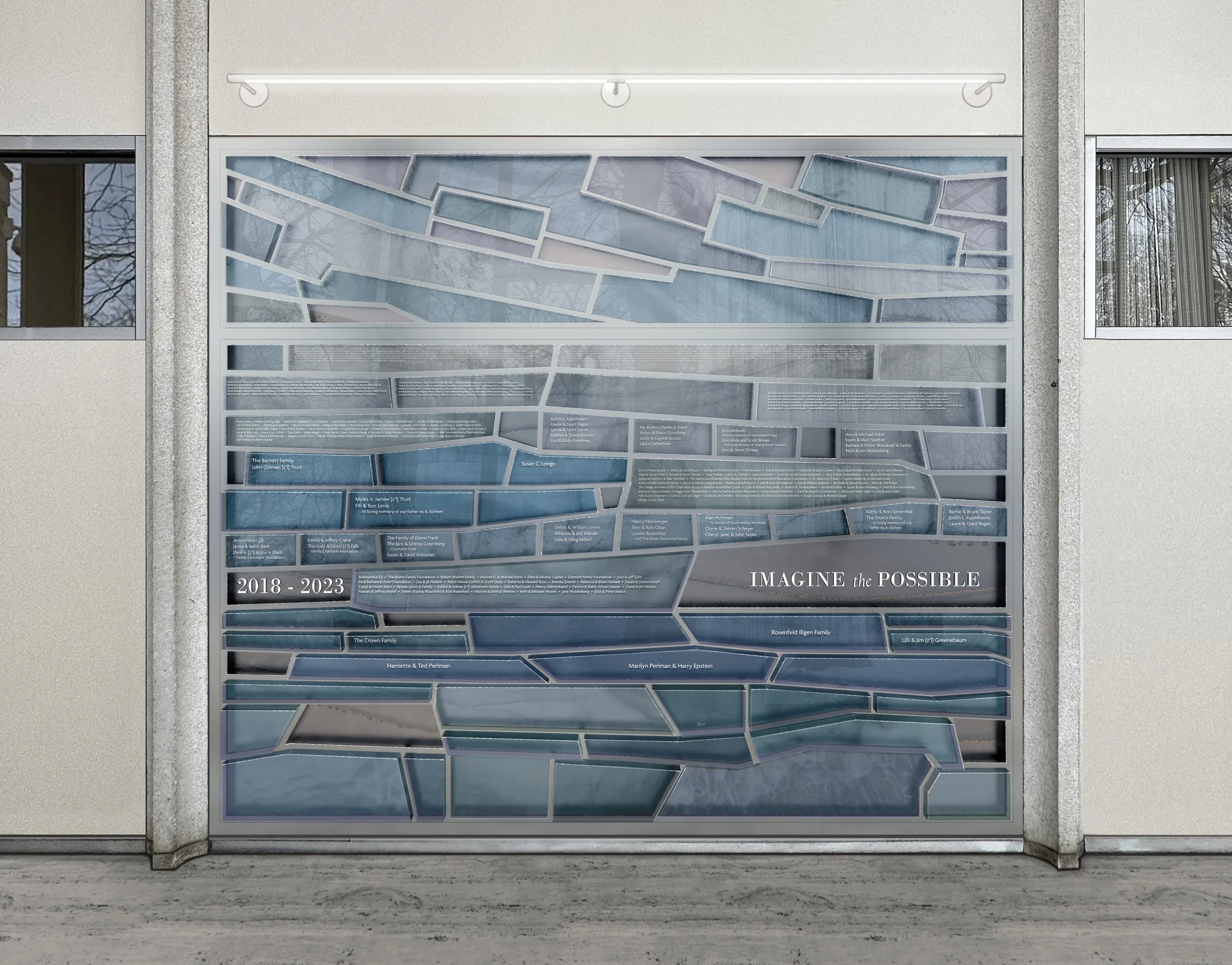


Selecting a concept allowed us to hone in on some of the key decision points as we further developed this concept. Through these drawings like these we were able to explore different ways of listing the names and other visual preferences for the wall as a whole.
Evaluating the Design at Full Scale
A design can look successful on a computer screen and feel very different when viewed at its actual size.
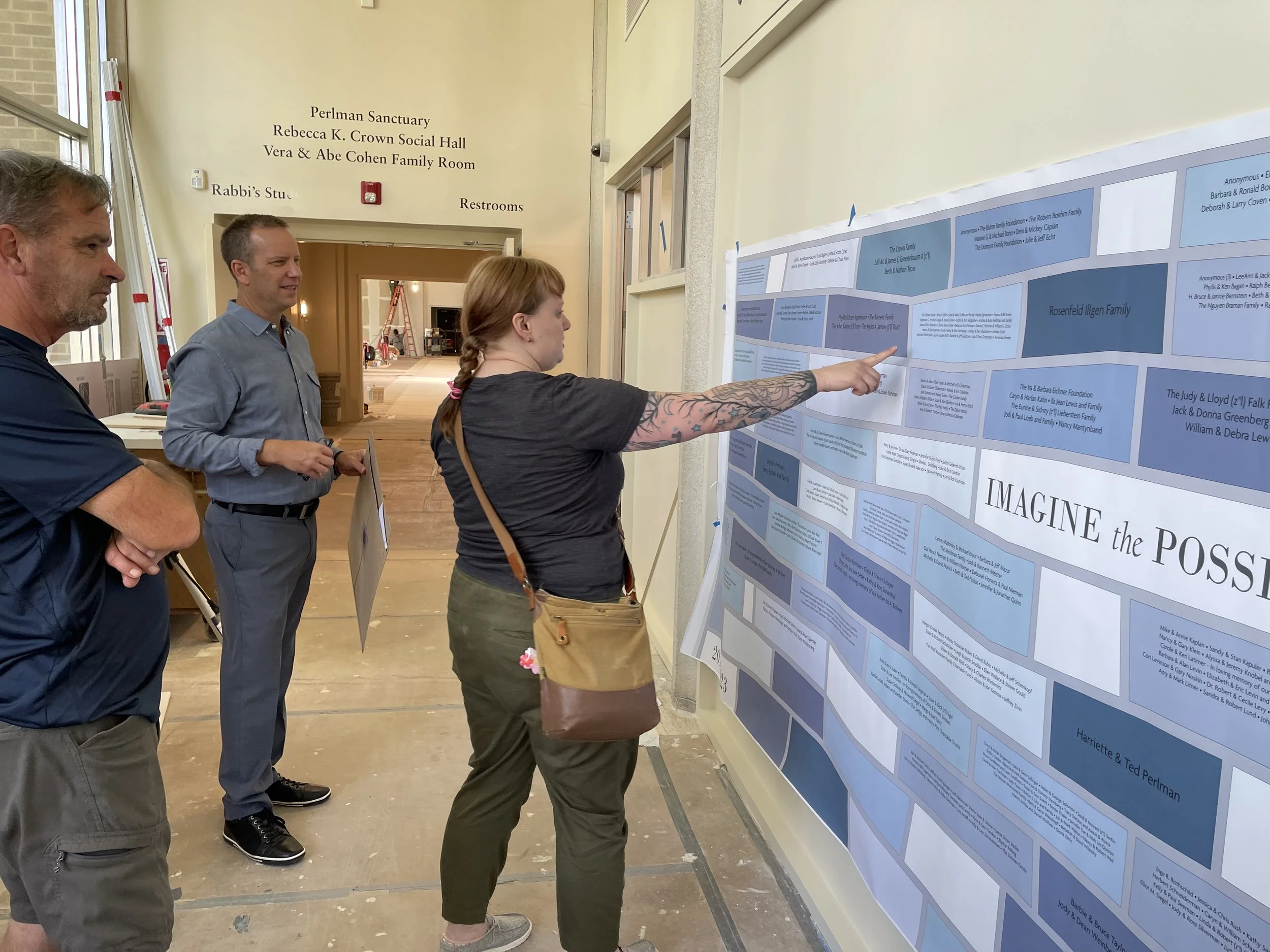
To evaluate the proposed installation, we produced a full-size print and reviewed it in the intended location.
This allowed us to assess typography, spacing, proportions, and the relationship between the recognition wall and the surrounding architecture.
The exercise led to additional refinements before the project moved forward.
Full-scale testing is a valuable step in our process because it allows us to make informed adjustments while changes are still relatively simple to implement.
Selecting a concept allowed us to hone in on some of the key decision points as we further developed this concept. Through these drawings like these we were able to explore different ways of listing the names and other visual preferences for the wall as a whole.


Exploring the Possibilities
With an initial direction established, we moved into concept development.
This is where research, conversations, and inspiration begin to take shape as actual design possibilities. We explore different approaches to composition, materials, scale, and how recognition elements might be organized within a space.
For North Shore Congregation Israel, we developed four initial concepts, each offering a different interpretation of the project's goals and architectural setting.
Presenting multiple approaches gave the project team an opportunity to compare possibilities, discuss priorities, and identify which elements best suited their vision.
Through this collaborative review, the scope was refined to a single recognition wall, and a preferred concept was selected for further development.
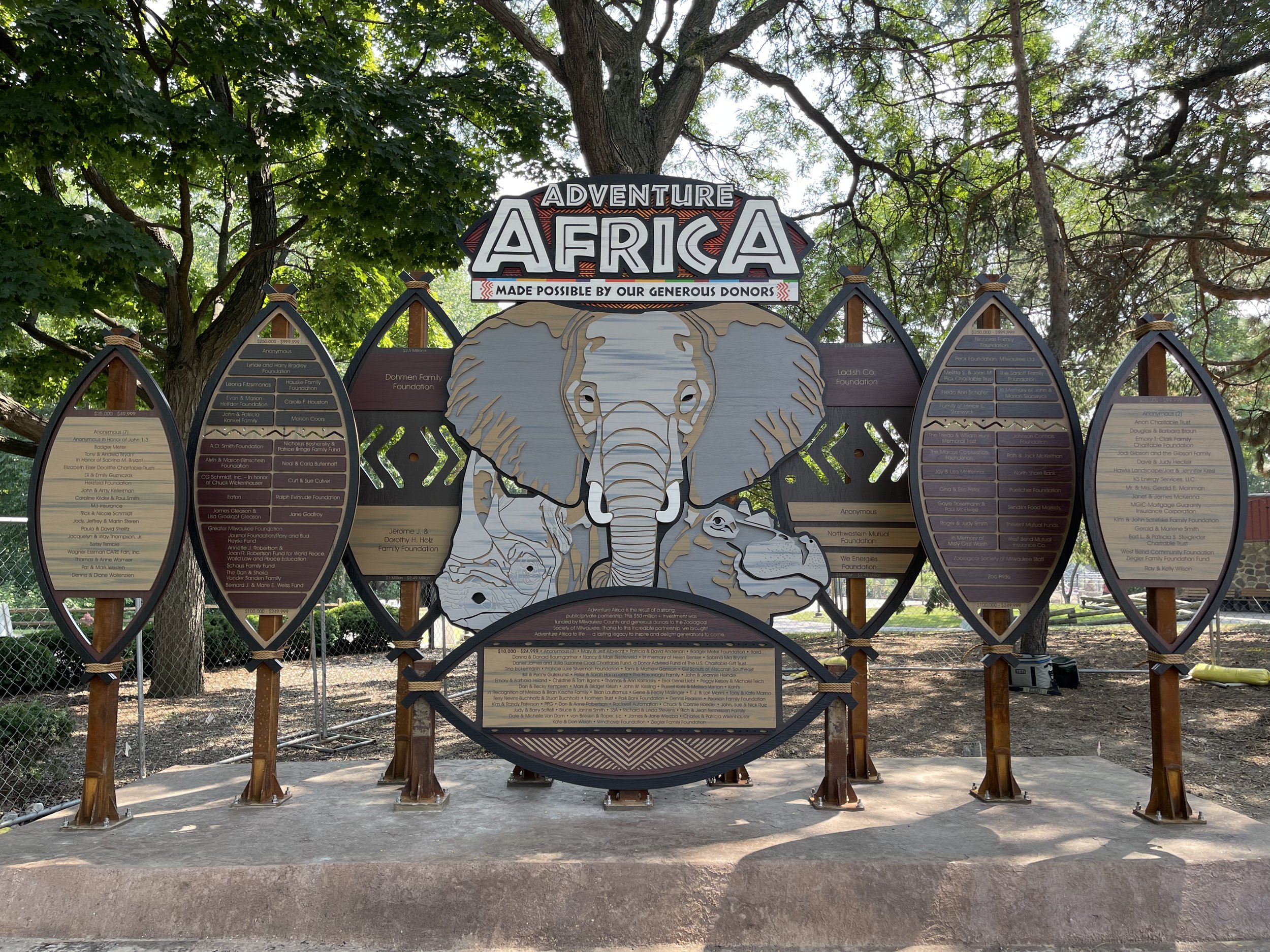
Concept development is an important part of our process. Exploring possibilities early helps us establish a thoughtful direction before investing time in the finer details.To further reinforce the connection to the exhibit, we partnered with Inscribed Engineering to design and fabricate custom corten steel support structures. These supports were intentionally weathered and rusted prior to installation, creating a material palette that felt authentic to the landscape and architecture of Adventure Africa.
The combination of HDPE and corten steel created a system that was both visually integrated and exceptionally durable. Every component was selected and engineered with longevity in mind, reducing maintenance requirements while preserving the design intent for years to come.


The Result
The completed installation provides lasting recognition for donors while supporting the immersive character of the Adventure Africa exhibit. Rather than competing with the environment, the donor recognition feels embedded within it—an extension of the exhibit's architecture, materials, and storytelling.
By embracing the challenges of unconventional materials and developing custom fabrication solutions, the project achieved its primary goal: creating donor recognition that is durable, low maintenance, and fully integrated into the visitor experience.