
← MATERIALS + METHODS
05 / led lighting
Light has the power to transform.
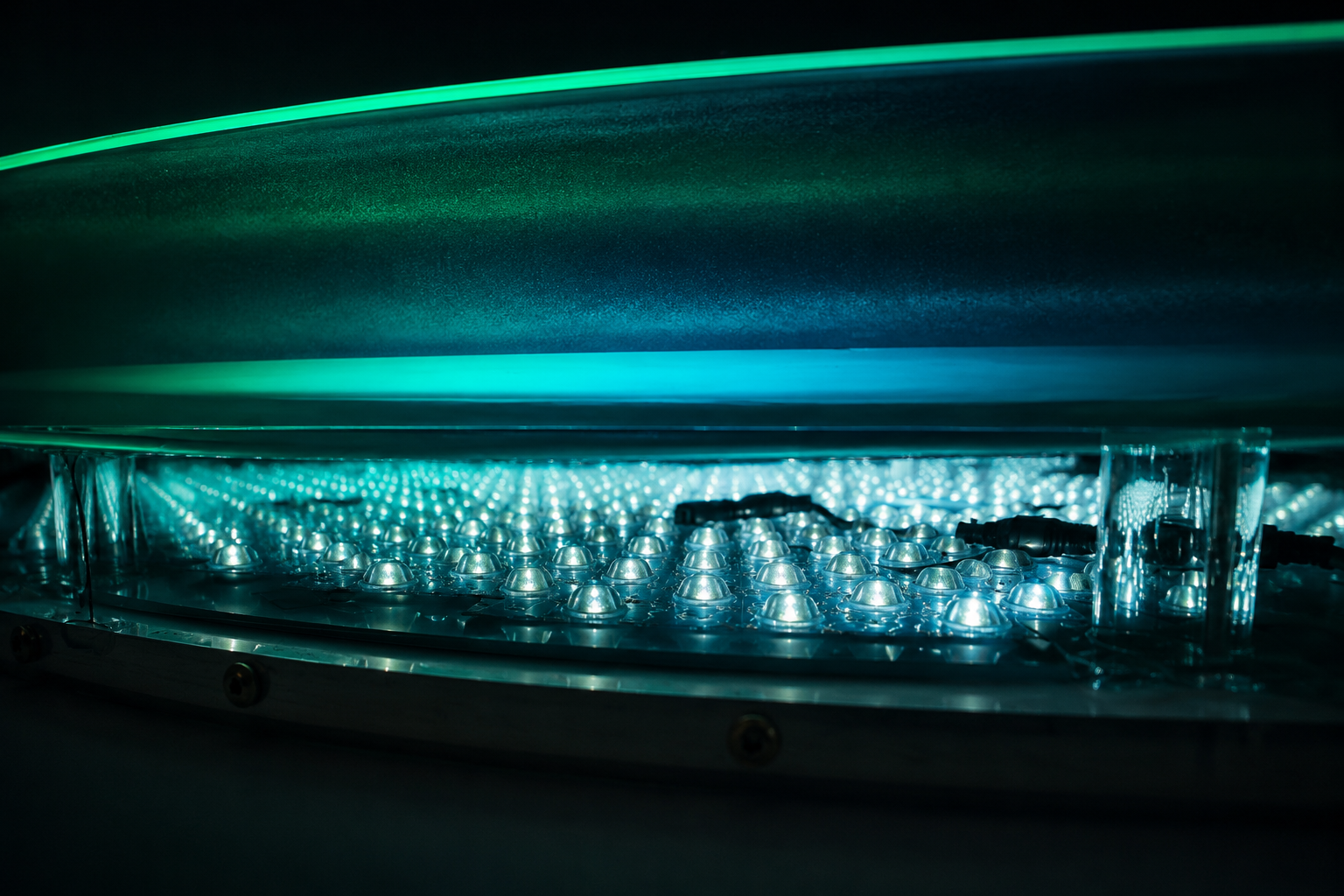
Lighting changes how a space, material, or dimensional element is experienced. It can create depth, draw attention, reveal material qualities, and give a feature an entirely different presence.
We consider lighting early in the design process, along with materials, fabrication, electrical requirements, installation, and future access.
The result is lighting that belongs in the design.
Halo Lighting
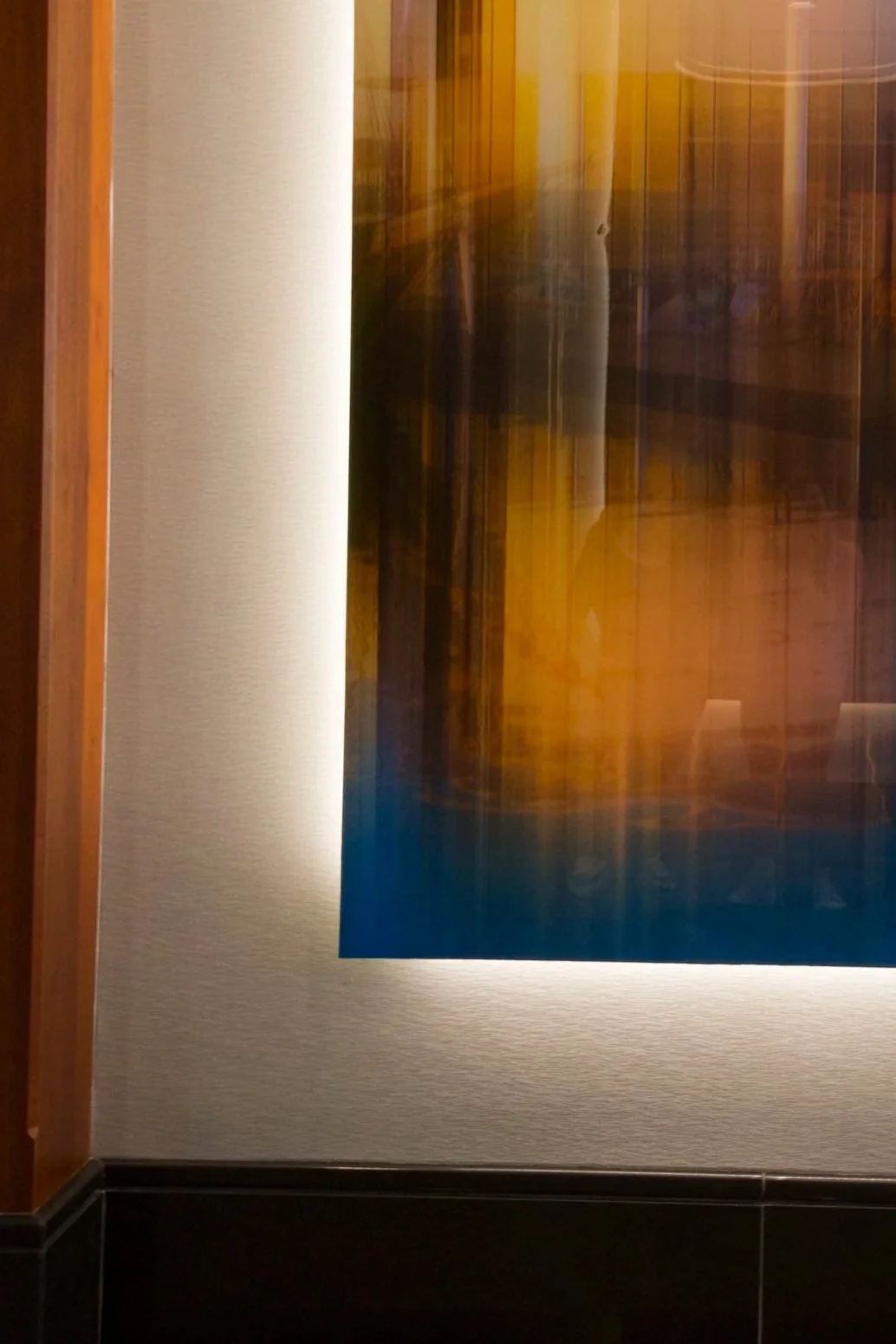
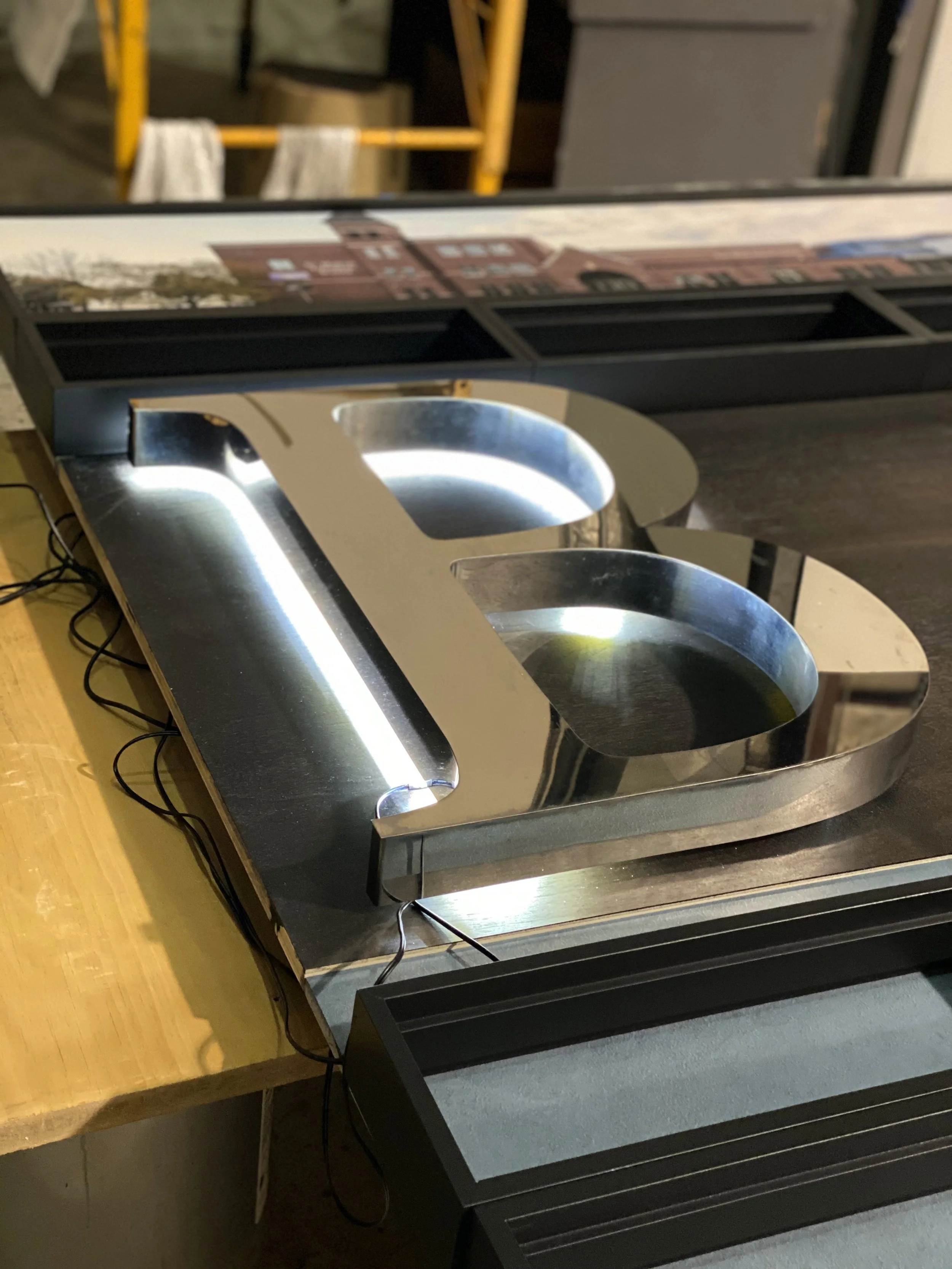
Light is concealed behind dimensional elements to create a soft glow around the form, adding depth and separation without exposing the light source.
Edge-Lit
Light enters through the edge of a transparent or translucent material to illuminate engraved details, graphics, or the material itself.
Backlit
Light is distributed behind a surface for even illumination, bringing greater visibility to graphics, color, and translucent materials.
Accent Lighting
Light is placed to highlight specific materials, architectural features, dimensional elements, or areas of content.
INTEGRATED FROM START TO FINISH

Design
We determine the role lighting should play within the overall concept and how it will work with the content, materials, and space.

Engineering
Lighting type, power, access, viewing conditions, and surrounding conditions are considered before fabrication begins.

Fabrication
The lighting approach informs how components are built, assembled, diffused, and concealed.

Electrical Integration
Components, wiring, power supplies, controls, and access are coordinated as part of the overall assembly.

Installation
Lighting is positioned, connected, tested, and adjusted in the space to achieve the intended effect.

THE DIFFERENCE LIGHT MAKES

details that matter

Brightness
Matched to the space, viewing distance, surrounding light levels, and intended effect.

Dimming
Compatible controls can be incorporated when adjustable light levels are appropriate for the application.

Color & Temperature
Selected to work with surrounding materials, graphics, and the desired visual effect.

Heat Management
Components and surrounding materials are selected and assembled with heat management in mind.

Power Requirements
Planned around the lighting system, available power, and requirements of the installation.

Longevity
Commercial-grade components are selected for reliability and long-term use.

Wiring & Routing
Wiring and connections are planned into the assembly and concealed from view.

Environment
Components and materials are selected for the conditions of the space and intended use.

Maintenance Access
Power supplies, wiring, controls, and replaceable components remain accessible for future service.

Compliance
Lighting systems are specified and installed according to applicable electrical and safety requirements.
lighting in practice
Fireside Theatre
Illuminated Dimensional MuraL
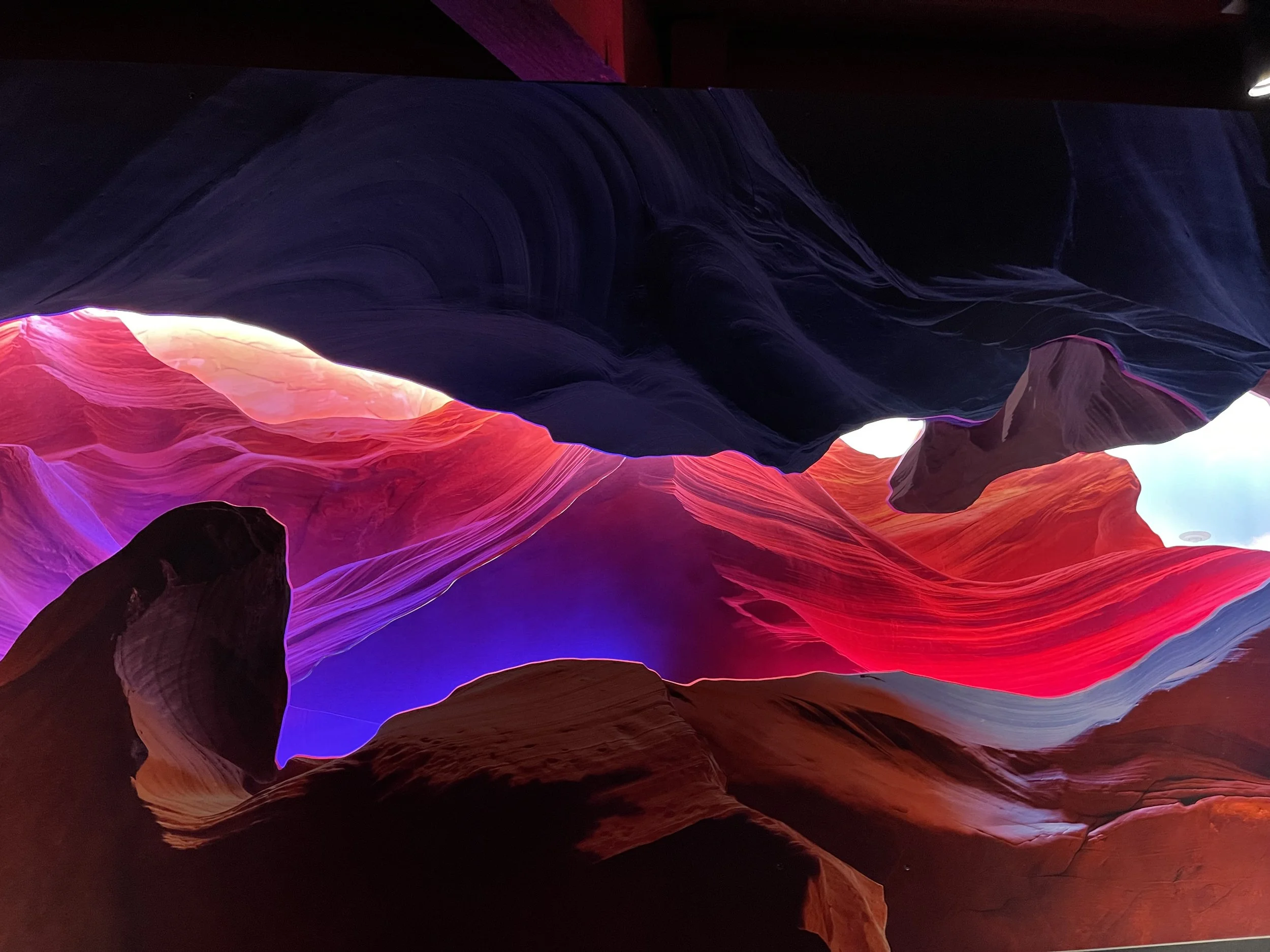
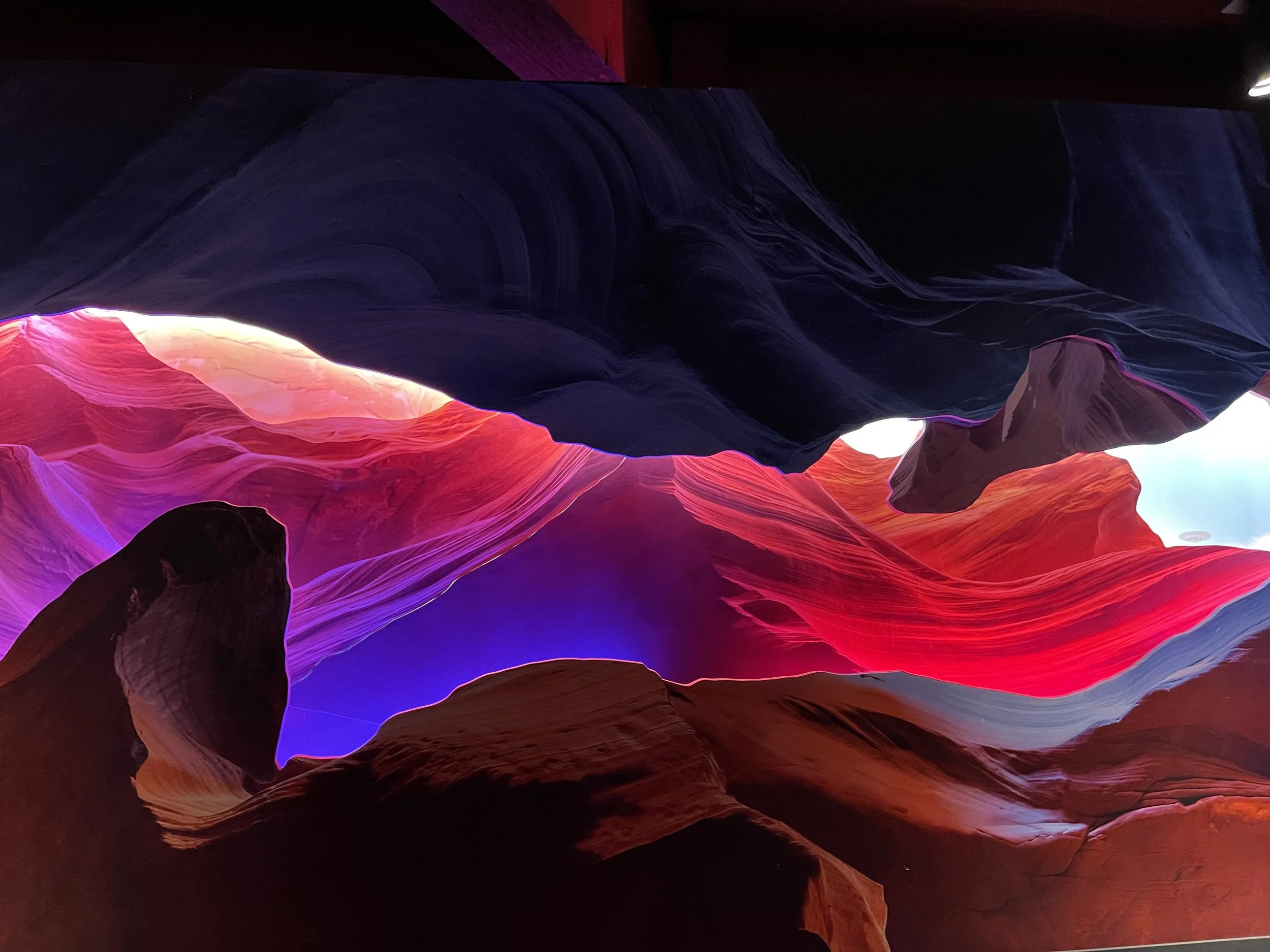
Integrated lighting works through layered dimensional elements to create depth and shifts in color across the installation.
AO Smith
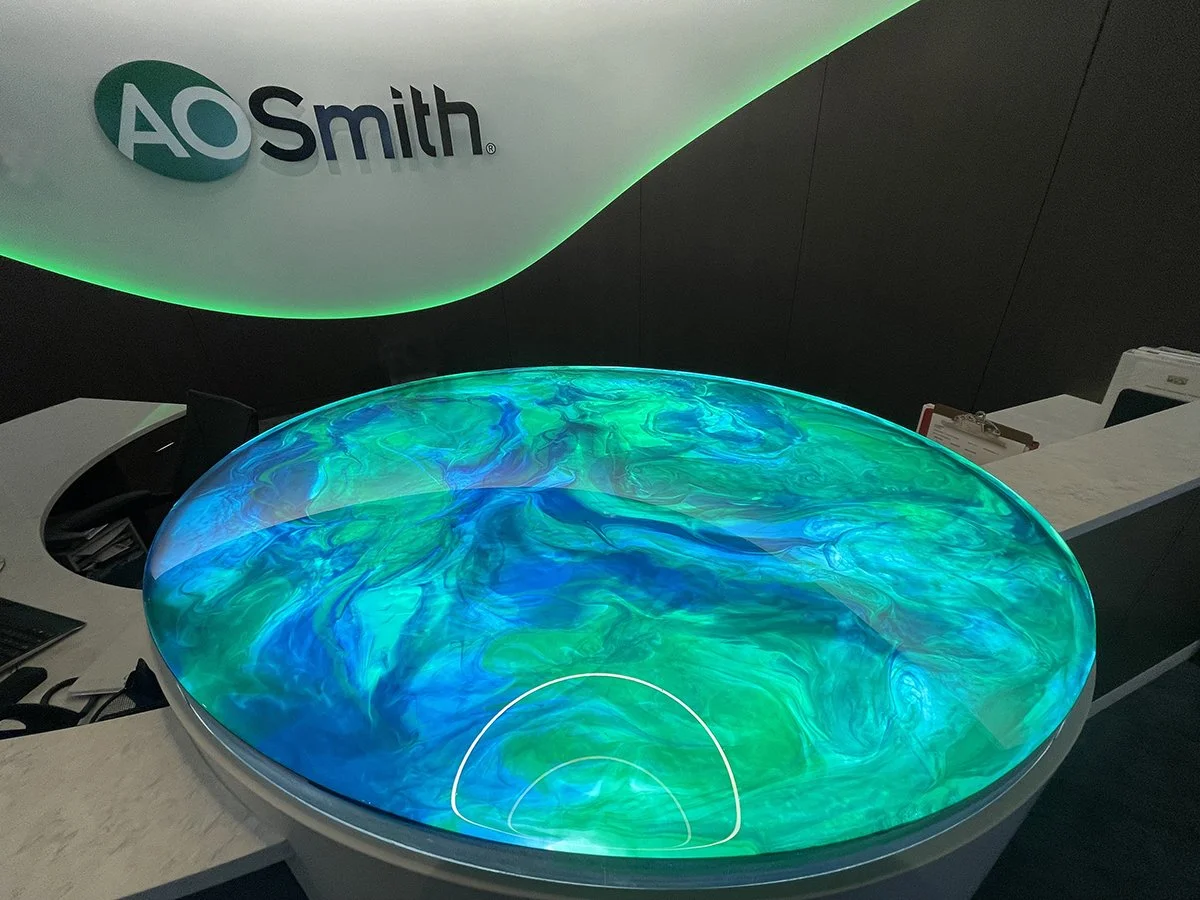
Lit Resin Countertop
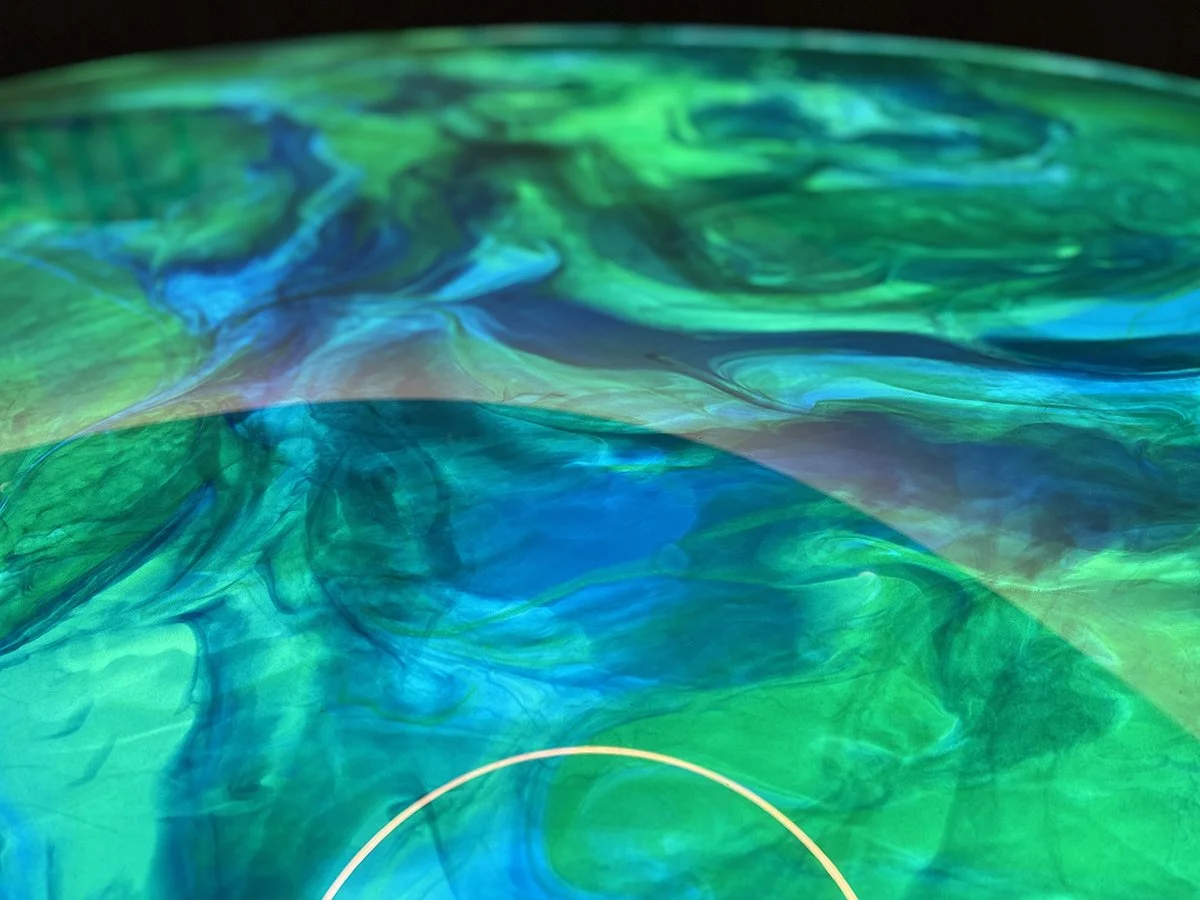
Lighting beneath formed resin reveals the material's color, depth, and movement while turning the surface into a focal point.
Bradley Foundation
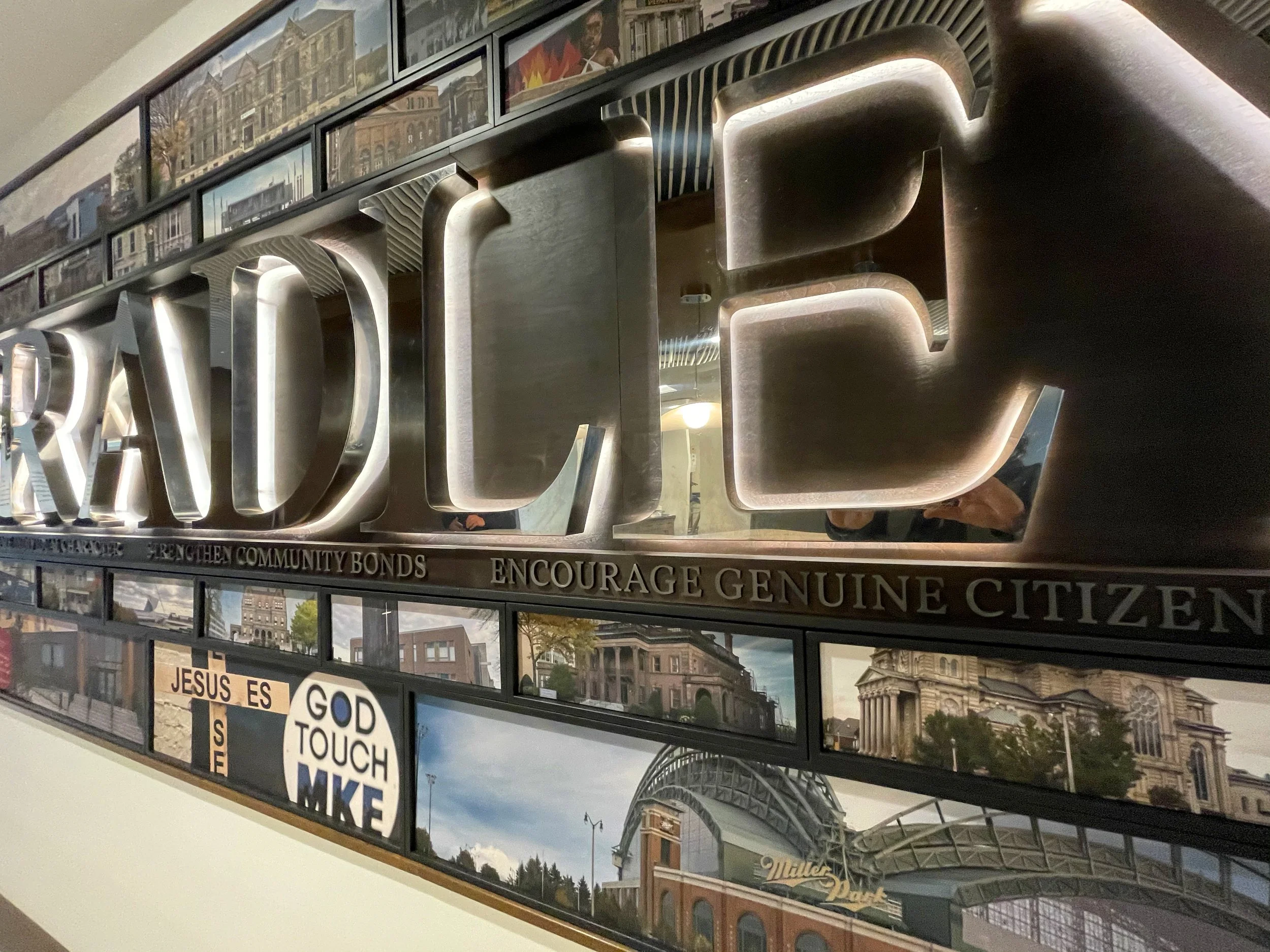
Signage Niche
Concealed lighting highlights dimensional lettering while keeping the light source out of view.
Marquette University
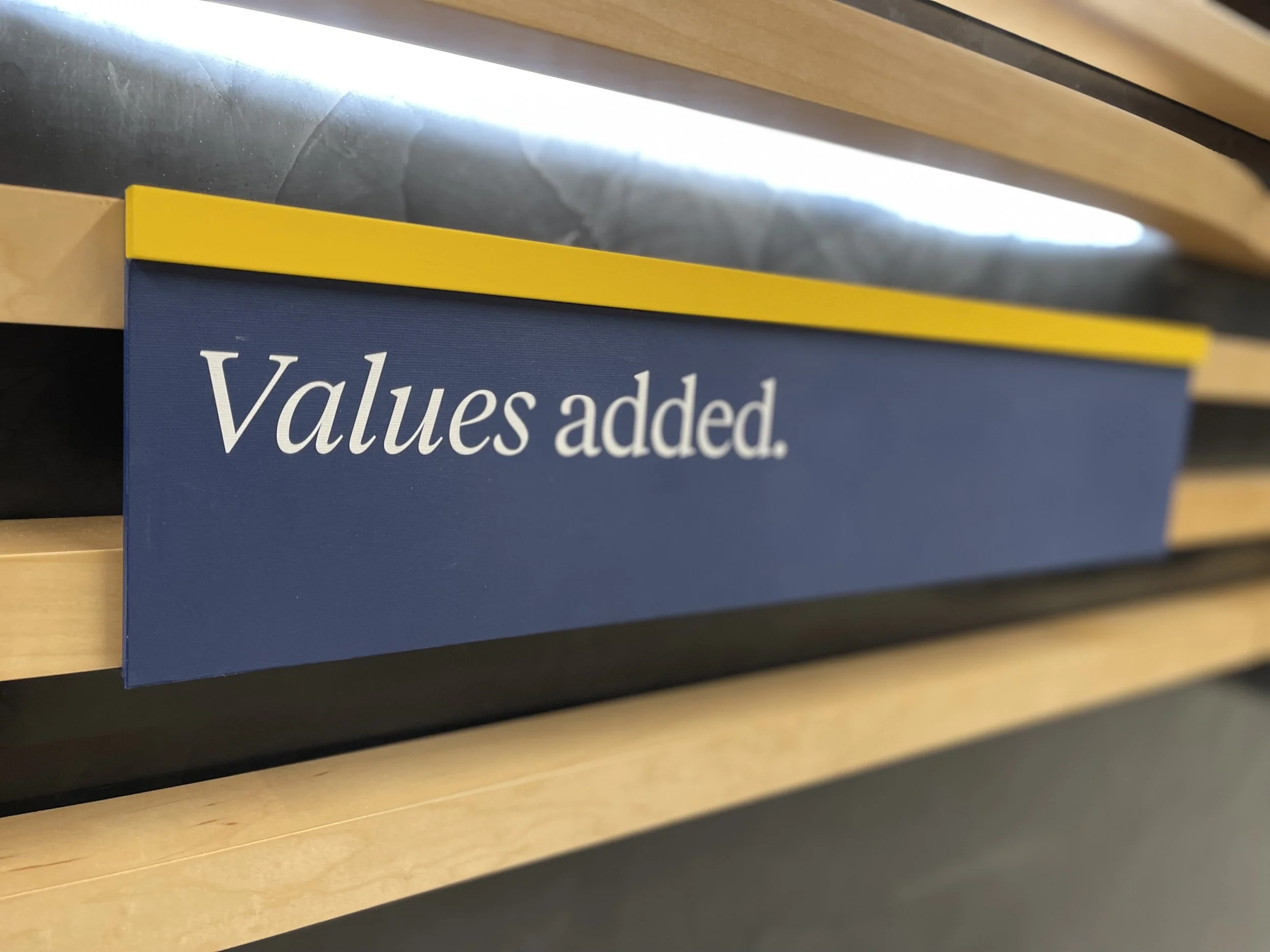
Highlighting Values
Lighting is used selectively to highlight messaging and dimensional elements within the display.
materials that pair well with LED lighting

Acrylic + Prints
Metal
Resin
LED LIGHTING FAQ
-
Integrated lighting can be incorporated into donor recognition, environmental graphics, architectural features, dimensional artwork, branded environments, signage, and other custom elements. The approach depends on the material, construction, space, and desired effect.
-
Acrylic, resin, metal, wood, and rigid substrates can all be used with integrated lighting. Each handles light differently, which gives us options ranging from subtle halos to fully illuminated surfaces.
-
Edge lighting introduces light through the edge of a material. Backlighting places the light source behind a surface. Halo lighting conceals the source behind a dimensional element so light is visible around its perimeter.
-
We plan for service access during design so power supplies, wiring, controls, and other replaceable components can be reached when needed.
keep exploring
VIEW MATERIALS + METHODS
CASE STUDIES